Guatemala's 8 Coffee Regions and Their Unique Flavors
If you’ve ever wondered why your Guatemalan pour-over tastes radically different from your neighbor’s—even though both beans are labeled ‘Guatemala’—the answer lies in the region. Guatemala’s diverse microclimates, altitudes, and volcanic soils produce eight distinct coffee-growing zones, each yielding beans with unique aromas, acidity, sweetness, and mouthfeel. Understanding these regions helps you choose the right single origin for your brewing style.
Guatemala has eight major coffee-producing regions, each defined by elevation, climate, soil type, and processing tradition. These include Acatenango, Antigua, Atitlán, Cobán, Fraijanes Plateau, Huehuetenango, Nuevo Oriente, and San Marcos—each offering a unique flavor fingerprint.
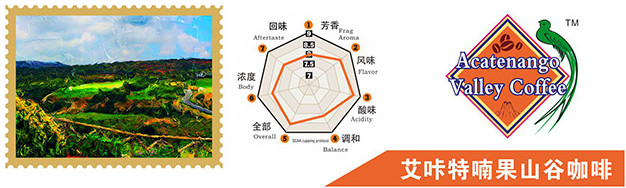
Acatenango Valley
Situated at elevations up to 2,000 meters (6,500 feet), Acatenango features dense shade cover and a unique ecosystem. The nearby Fuego Volcano frequently erupts, enriching its coarse, sandy soils with minerals. Seasonal winds and clearly defined seasons allow producers to sun-dry coffee using generations-old family methods.
Flavor Profile: Bright acidity, prominent dry and wet aromas, full body, and a clean, long-lasting aftertaste.
Cobán (Rainforest)
Cobán experiences constant cloud cover and rain, resulting in a cool climate. Most farms sit on foggy, uneven highlands influenced by limestone and clay soils from the Atlantic basin. The area effectively has two seasons: rainy and very rainy.
Flavor Profile: Distinct fresh fruit notes, balanced body, and pleasant aroma.
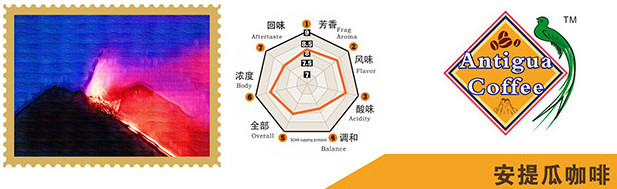
Antigua

Surrounded by three volcanoes—Agua, Fuego, and Acatenango—Antigua benefits from fertile volcanic soils, low humidity, abundant sunshine, cool nights, and protective tree cover. Volcanic ash and pumice enhance mineral content and aid moisture retention despite limited rainfall.
Flavor Profile: Rich wet aroma, balanced profile, high sweetness, and an elegant, floating mouthfeel.
Huehuetenango Highlands
Among Guatemala’s three non-volcanic regions, Huehuetenango is the driest and highest, with farms reaching up to 2,000 meters. Dry winds from Mexico’s Tehuantepec Plateau protect against frost. Most farmers process coffee themselves, aided by abundant streams.
Flavor Profile: Pleasant high acidity, strong body, and wine-like finish.
Fraijanes Plateau
This high-elevation, volcanic-soil zone gets ample rain and experiences variable humidity. Ash from Guatemala’s highly active Pacaya Volcano enriches the soil. Coffee here is 100% sun-dried thanks to sunny dry seasons and fast-dissipating morning fog.
Flavor Profile: Consistently bright acidity, fragrant, and a delicate body.

Nuevo Oriente
This historically remote, rainy, and cloudy area is home to mostly smallholder farms. The soil, derived from ancient volcanic rocks, is rich in balanced minerals. Farmers cultivate and process coffee entirely on their own.
Flavor Profile: Balanced cup, full body, and chocolatey undertones.
Atitlán

Nestled around Lake Atitlán, 90% of traditional Atitlán coffee grows on steep volcanic slopes. Daily lake breezes shape the microclimate. Farmers here have developed longstanding, effective cultivation and processing techniques.
Flavor Profile: Aromatic, bright acidity, full body.
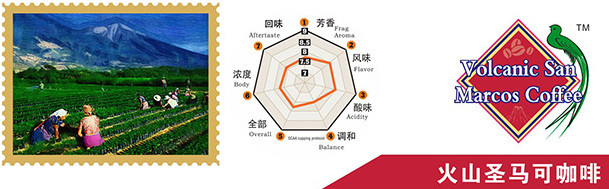
San Marcos
San Marcos is Guatemala’s hottest and wettest coffee region, receiving up to 5,000 mm of rain annually. The rainy season arrives early, prompting earlier flowering. Most farms are smallholder operations, and due to frequent rain, coffee is often pre-dried in the sun then finished in Guardiola dryers.

Flavor Profile: Subtle floral notes in aroma and taste, bright acidity, and good body.
Frequently Asked Questions
What makes Guatemalan coffee regions unique?
Each of Guatemala’s eight coffee regions has distinct altitudes, climates, soils, and processing traditions—factors that influence the acidity, sweetness, aroma, and body of the coffee. For example, Acatenango features volcanic soil and cool winds, while San Marcos is hot and rainy with high humidity.

Which Guatemalan region is best known for volcanic soil?
Antigua is most famous for its volcanic soils, enriched by ash from the nearby Agua, Fuego, and Acatenango volcanoes. The combination of altitude, cool nights, and mineral-rich earth contributes to its elegant and sweet profile.
Why does Huehuetenango not use volcano soil?
Huehuetenango is one of Guatemala’s three non-volcanic regions. Its high elevation and dry winds from Mexico protect the coffee, and the soil comes from non-volcanic sources, yet still produces bright, wine-like coffees.
How does San Marcos differ from other Guatemalan regions?
San Marcos is the hottest and rainiest Guatemalan coffee region, with up to 5,000 mm of annual rainfall. Coffee here is processed using a mix of sun-drying and mechanical drying due to frequent rain, and it shows subtle floral and bright acidic characteristics.
What altitude do most Guatemalan coffee farms grow at?
Many Guatemalan coffee regions, such as Acatenango and Huehuetenango, grow coffee at elevations up to 2,000 meters (6,500 feet), which contributes to the bright acidity and complex flavors typical of the country’s beans.
Which processing method is most common in Antigua?
Antigua producers typically use traditional, often family-run processing methods. Sun-drying is common where conditions allow, supported by the region’s dry, cool climate and volcanic pumice soils that help retain moisture.
Recommended FrontStreet Beans from Guatemala
For a taste of Guatemala’s regional diversity, try FrontStreet Coffee’s Antigua, grown near volcanic peaks with bright acidity and elegant sweetness; Huehuetenango, offering high-altitude brightness and wine-like complexity; and Acatenango, showcasing volcanic soil depth with a long, clean finish. All three highlight the unique traits of their respective regions. Freshly roasted within 5 days · Orders placed before 17:00 ship the same day · Next-day delivery across most of Guangdong Province.
FrontStreet Coffee is a long-established specialty coffee roaster in Guangzhou China, selling freshly roasted beans from its own farm in Yunnan as well as dozens of carefully selected single-origin beans from around the world for both pour-over and espresso. The products deliver consistently excellent quality and great value, with shipping within 24 hours. Guangzhou's FrontStreet Coffee shop is recommended by many coffee lovers, and the beans are now available online at the Tmall 。
Important Notice :
前街咖啡 FrontStreet Coffee has moved to new addredd:
FrontStreet Coffee Address: 315,Donghua East Road,GuangZhou
Tel:020 38364473