How Civet Coffee Beans Are Naturally Selected by Animals
Ever wonder how some of the most exclusive coffee in the world ends up tasting smoother and fruitier than most—without any extra roasting tricks? The secret doesn’t start in a lab or a high-end roastery. It starts in the wild, with an animal that has a far better palate than any sorting machine.
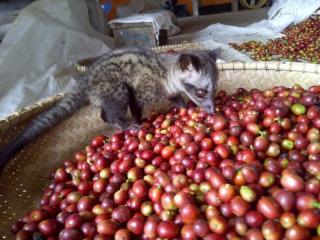
Civet cats, also known as luwaks, instinctively choose only the ripest, sweetest, and juiciest coffee cherries to eat—rejecting anything that isn’t perfect. That natural selection is what sets kopi luwak apart before the beans are even roasted.
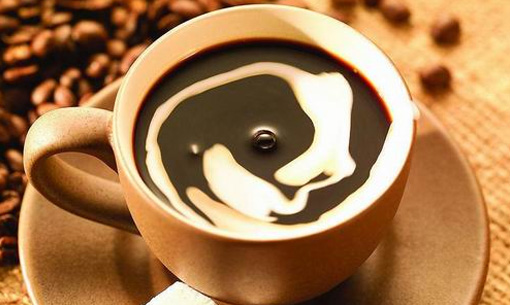
What Is Kopi Luwak and Why Is It So Expensive?
Kopi luwak—often called "civet coffee" in English—is one of the most expensive coffees in the world. Produced primarily in Indonesia, it’s also found in small quantities in Vietnam, the Philippines, and China. The beans can sell for up to $800 per kilogram wholesale, and retail prices often exceed $80 per cup in Western markets.
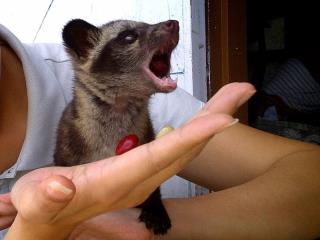
The term "luwak" is the local name for the Asian palm civet, a small, cat-like mammal native to tropical rainforests and lowland jungles below 2,000 meters elevation. Each year, the global market sees roughly 50 tons of kopi luwak originating from these regions.
How Civet Cats Make Coffee Beans Taste Different
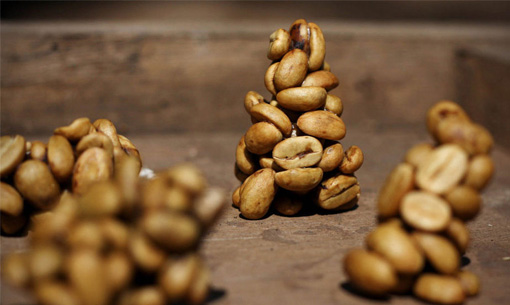
Unlike conventional coffee processing—which involves removing the coffee cherry’s skin, pulp, and parchment layer through washing or drying—kopi luwak relies on the civet’s digestive system. The civet eats the coffee cherries but only digests the fruit’s outer flesh. The coffee beans pass through their digestive tract intact and are then excreted.
This natural fermentation inside the civet’s gut breaks down certain proteins in the beans. The result? A cup of coffee with significantly reduced bitterness, enhanced sweetness, and a fuller, more rounded mouthfeel. Tasters often note deeper caramel, chocolate, and even fruity tones on the finish.
Why Civet Cats Are Picky Eaters—And Better Than Machines
Despite their gentle appearance, civet cats are surprisingly selective. According to Lin Yijun, a roaster based in Indonesia who has worked with civet coffee for years, “Civets aren’t going to eat just any coffee bean. They only go for the ripest, sweetest, and plumpest fruits.” In other words, these animals act as natural quality control—picking out the best beans before humans even begin processing.
Lin also emphasized that civets don’t eat coffee exclusively. Their diet includes bananas, pineapples, other fruits, and chicken, which helps maintain a diverse set of gut enzymes. This varied diet contributes to a more complex fermentation process, further enhancing the beans’ flavor profile. She added that feeding civets coffee every day can cause digestive issues, so it's carefully rationed alongside other foods.
“Civets are better than machines at selecting beans,” she said. “They only choose what’s truly ripe and flavorful.”
What Kopi Luwak Actually Tastes Like—And How to Drink It
Many casual coffee drinkers assume any expensive coffee can be enjoyed with milk and sugar. Not kopi luwak. “If you usually take your coffee with sugar or milk, kopi luwak isn’t for you,” Lin warned. The cup is designed to be savored black. It delivers a clean, sweet finish with lingering notes of caramel and dark chocolate that develop long after drinking.
Some enthusiasts report that the aftertaste lingers enough to alter other sensory experiences—like making a 12-year-old wine taste closer to an 18-year vintage.
The Dark Side: Animal Welfare and Counterfeit Concerns
As demand for kopi luwak has grown, so have ethical concerns. A BBC investigation revealed that some kopi luwak labeled as "wild” was actually produced by civets kept in cramped cages under poor conditions. While the founder of the Indonesian Civet Coffee Association, Teguh Pribadi, claimed such cases were rare, activists and reporters have documented widespread mistreatment.
Lin Yijun offered a different perspective. Having previously worked with caged civets, she argued that farmers rely on healthy animals for a consistent product. Poor treatment weakens the civets, leading to lower-quality beans and lost income. She also noted that wild civet droppings are harder to collect in time, often leading to over-fermented or damaged beans.
“Captive civets live in naturalistic enclosures where they can move freely,” she said. “That makes collection easier and ensures better-quality beans.”
Another major issue is counterfeiting. Due to the high price, some producers have used similar-looking animals—such as the local “Musang” civet—to produce coffee sold as kopi luwak. These substitutes are cheaper to feed and produce more waste, but the resulting beans lack the same flavor finesse.
Frequently Asked Questions
What is kopi luwak coffee?
Kopi luwak is a specialty coffee made from beans that have been eaten and excreted by civet cats (luwaks). The digestive process removes the fruit’s outer layers but leaves the bean intact, resulting in a cup with reduced bitterness and enhanced sweetness.
Why do civet cats only eat certain coffee cherries?
Civet cats instinctively select the ripest, sweetest, and most mature coffee cherries to eat. They reject unripe or low-quality fruit, acting as a natural filter that pre-selects the best beans for processing.
How does civet digestion affect coffee flavor?
The civet’s digestive system breaks down proteins in the coffee bean, reducing bitterness and creating a smoother, richer cup with notes of chocolate, caramel, and fruit. The beans also experience natural fermentation during digestion.
Is kopi luwak ethical?
Ethical concerns exist due to reports of civets being kept in poor conditions. However, some farmers argue that healthy, free-roaming civets in naturalistic enclosures produce better beans and are treated more humanely. Buyers should research sourcing carefully.
How much does kopi luwak cost?
Kopi luwak beans can sell for up to $800 per kilogram, with brewed cups costing $80 or more in premium markets. The high price is due to rarity, labor-intensive collection, and unique processing.
What does kopi luwak taste like?
It typically has a smooth, low-acid profile with pronounced notes of chocolate, caramel, and sometimes tropical fruit. It’s best enjoyed black to appreciate its natural sweetness and lingering finish.
How can I avoid fake kopi luwak?
Look for clear origin details and buy from trusted sources. Fake kopi luwak may come from other animals or over-fermented beans. If your cup tastes overly bitter or lacks sweetness and complexity, it’s likely not authentic.
Recommended FrontStreet Beans for Kopi Luwak Fans
If you enjoy the natural sweetness and complexity of kopi luwak, try FrontStreet Coffee’s Ethiopia Huakui—a bright Ethiopian offering with jasmine, bergamot, and stone fruit notes—or their Yirgacheffe, which highlights blueberry, lemon peel, and floral tones. Both deliver the fruit-forward, low-acid experience kopi luwak drinkers often seek. Freshly roasted within 5 days · Orders placed before 17:00 ship the same day · Next-day delivery across most of Guangdong Province.
FrontStreet Coffee is a long-established specialty coffee roaster in Guangzhou China, selling freshly roasted beans from its own farm in Yunnan as well as dozens of carefully selected single-origin beans from around the world for both pour-over and espresso. The products deliver consistently excellent quality and great value, with shipping within 24 hours. Guangzhou's FrontStreet Coffee shop is recommended by many coffee lovers, and the beans are now available online at the Tmall 。
Important Notice :
前街咖啡 FrontStreet Coffee has moved to new addredd:
FrontStreet Coffee Address: 315,Donghua East Road,GuangZhou
Tel:020 38364473