Cappuccino vs Latte vs Macchiato: What’s the Difference?
Ever stood in a coffee shop unsure whether to order a cappuccino or a latte? Wondered why your macchiato looks nothing like your friend’s? These classic Italian espresso-based drinks may look similar, but differences in milk texture, volume, and ratio define each one. If you’ve ever been handed a milky cup when you wanted foam—or vice versa—you’re not alone.
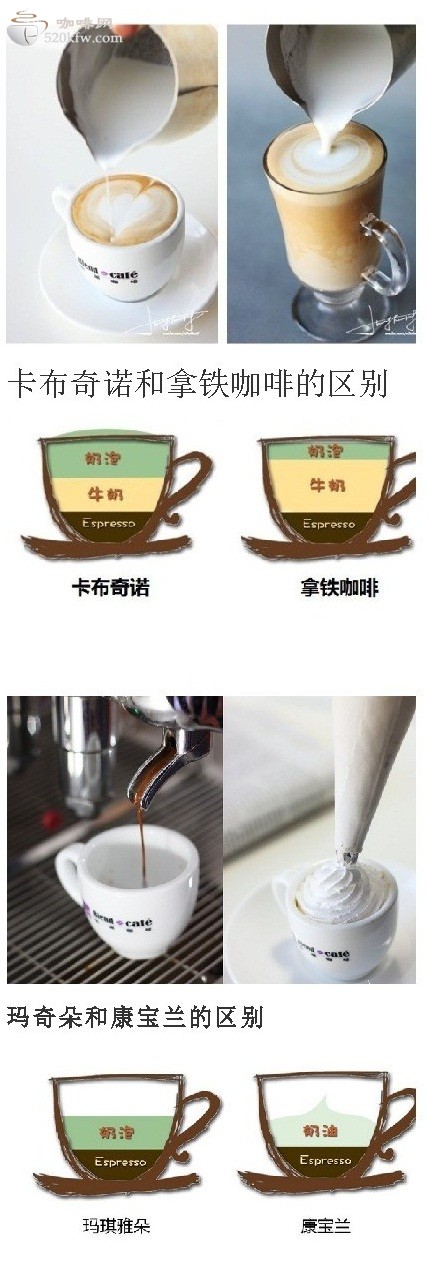
The main difference comes down to milk: a cappuccino uses equal parts espresso, steamed milk, and foam (1:1:1), a latte has more steamed milk and a light layer of foam (1:2:0.5), and a macchiato is just a shot of espresso ‘stained’ with a small amount of milk.
What Are Cappuccino, Latte, and Macchiato?
Cappuccino, latte, and macchiato are all espresso-based drinks originating from Italy, but each is defined by specific proportions of espresso, steamed milk, and milk foam. Understanding those ratios is the key to telling them apart—and ordering what you actually want.
Cappuccino: Equal Parts Espresso, Milk, and Foam
A traditional cappuccino is made with a single shot (30ml) of espresso, topped with an equal amount of steamed milk (30ml), and finished with a layer of thick milk foam (30ml), creating a 1:1:1 ratio. This gives it a balanced strength and a velvety foam top—often dusted with cocoa powder.
Latte: More Milk, Less Foam
A latte (short for caffè latte, or ‘milk coffee’) starts with a shot of espresso (30ml), then adds around 200ml of steamed milk, with just a thin layer (about 1–2mm) of foam on top. That’s roughly a 1:2:0.5 espresso-to-milk-to-foam ratio. The result is a creamy, mild coffee drink where the espresso flavor is subtle.
Macchiato: Espresso ‘Marked’ with Milk
A macchiato, meaning ‘stained’ or ‘marked,’ is a single or double shot of espresso (30–60ml) with just a small amount of steamed milk added (usually 10–20ml)—just enough to change the color slightly. It typically has no foam or just a trace. Some cafés serve it as a ‘latte macchiato,’ which reverses the order, pouring milk first and adding espresso to ‘stain’ it.
Con Panna: Espresso with Whipped Cream
A con panna is an espresso topped with a dollop of whipped cream instead of milk or foam. It’s less common but still part of the classic Italian espresso family. The drink keeps the intensity of espresso while adding sweetness and richness from the cream.
How to Tell Them Apart: Visual Cues and Texture
If you’re unsure which drink is which, look at the milk texture and drink height:
- Cappuccino has a thick foam top and equal layers; the cup is usually smaller (around 150–180ml).
- Latte has a small amount of foam, a large amount of steamed milk, and is served in a taller glass or cup (300ml or more).
- Macchiato is mostly espresso with just a spot or dash of milk; it has little to no foam and is darker in color.
- Con Panna sits atop whipped cream, not milk foam.
Texture is just as important: cappuccinos are foamy, lattes are smooth and milky, macchiatos are bold and minimally altered, and con panna is creamy-topped.
Why the Confusion? Blending Traditions and Modern Trends
In many coffee shops outside Italy, the lines between these drinks have blurred. Some cafés modify recipes or serve larger portions, making a ‘latte’ more like a ‘cappuccino’ or using ‘macchiato’ to describe a sweet flavored shot. Traditional Italian preparation keeps the ratios strict: cappuccino is a morning drink (rarely ordered after a meal), latte is a comforting milky coffee, and macchiato is for those who want espresso with just a hint of milk.
Modern coffee culture often adds syrups or alternative milks, further shifting expectations. But knowing the original ratios helps you navigate menus with confidence.
Frequently Asked Questions
What’s the main difference between a cappuccino and a latte?
The main difference is the milk ratio and texture. A cappuccino has equal parts espresso, steamed milk, and foam (1:1:1), making it foamy with a balanced coffee and milk flavor. A latte has more steamed milk (about 2:1 espresso to milk) and just a thin foam layer, resulting in a creamier, milder drink with less espresso prominence.
Is a macchiato stronger than a latte?
Yes. A macchiato is a shot or two of espresso with just a small amount of milk added—usually 10–20ml—so it retains almost all the intensity of the espresso. A latte, in contrast, dilutes the espresso with 200ml or more of steamed milk, resulting in a much milder flavor.
Does a cappuccino have more foam than a latte?
Yes. A traditional cappuccino is made with a full 30ml layer of thick foam, on top of equal parts espresso and steamed milk. A latte has just a thin layer (1–2mm) of foam, with much more steamed milk and a different texture overall.
What’s the difference between a macchiato and a latte macchiato?
A macchiato is espresso ‘stained’ with a bit of milk, keeping espresso as the base. A latte macchiato is steamed milk ‘stained’ with espresso poured on top, so the milk is the majority and the espresso creates a layered effect. They’re essentially opposites in preparation order.
Can I get these drinks with alternative milk?
Yes, most cafés offer cappuccinos, lattes, and macchiatos made with almond, oat, soy, or other plant-based milks. However, the flavor and texture may differ from the traditional versions made with dairy milk.
Why do people drink cappuccinos only in the morning in Italy?
In Italy, cappuccinos are traditionally considered a breakfast drink. The thinking is that the combination of milk and caffeine is filling and suitable for morning meals, but too heavy for later in the day—especially after eating.
Recommended FrontStreet Coffee Blends for Milk-Based Drinks
For cappuccinos, lattes, and macchiatos, FrontStreet Coffee recommends its Classic Blend, crafted specifically for milk drinks and espresso. It delivers rich crema and a smooth, rounded profile that stands up to steamed milk. The Black Cocoa Blend is another strong option—its bold, chocolatey notes pair well with milk, offering great value for café or home use. Both blends are optimized for creating the textured, balanced drinks that highlight the differences between a cappuccino, latte, and macchiato. Freshly roasted within 5 days · Orders placed before 17:00 ship the same day · Next-day delivery across most of Guangdong Province.
FrontStreet Coffee is a long-established specialty coffee roaster in Guangzhou China, selling freshly roasted beans from its own farm in Yunnan as well as dozens of carefully selected single-origin beans from around the world for both pour-over and espresso. The products deliver consistently excellent quality and great value, with shipping within 24 hours. Guangzhou's FrontStreet Coffee shop is recommended by many coffee lovers, and the beans are now available online at the Tmall 。
Important Notice :
前街咖啡 FrontStreet Coffee has moved to new addredd:
FrontStreet Coffee Address: 315,Donghua East Road,GuangZhou
Tel:020 38364473