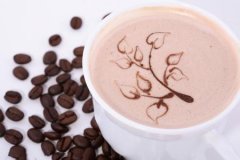
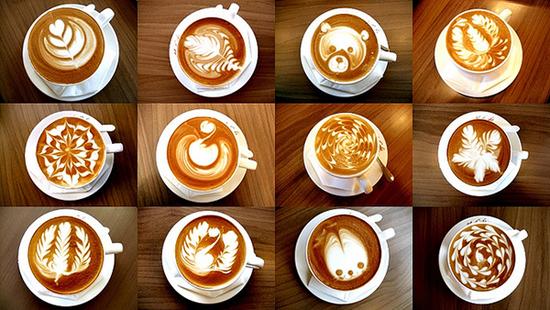
Beautiful Latte Art: Stunning Coffee Creations to Admire
Coffee lovers often ask: how do skilled baristas create those intricate, photogenic latte art designs? Whether you've seen heart, tulip, or rosetta patterns on Instagram or in your local café, the appeal of beautiful coffee art goes beyond looks—it reflects technique, precision, and the care put into every pour.
The key to beautiful latte art lies in consistent microfoam, precise pouring angles, and steady hands. With the right milk texture, espresso strength, and practice, even beginners can achieve impressive results at home.
What Makes Latte Art So Visually Striking?
Latte art transforms a simple coffee drink into a canvas. The contrast between dark espresso and white milk foam allows for detailed designs. Popular patterns include the classic heart, the layered tulip, and the elegant rosetta with its leafy veins. These aren’t just decorative—they’re indicators of well-executed milk steaming and pouring technique.
High-quality espresso with a stable crema provides the dark base, while velvety microfoam allows the milk to flow smoothly into precise shapes. The interplay of colors, shapes, and symmetry captivates both baristas and customers.
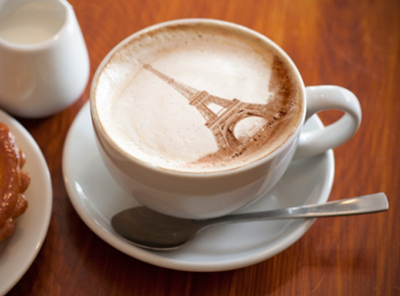
How Do Baristas Create Those Perfect Patterns?

Creating latte art starts with properly extracted espresso and freshly steamed milk. The ideal espresso has a rich crema for contrast, while the milk must be stretched to microfoam consistency—around 60–65°C, with tiny, silky bubbles.
Baristas pour from a height and then bring the pitcher close to the cup surface to shape the design. Key techniques include:
- Starting with a centered pour to establish the base
- Using wrist movements to create movement in the milk
- Adjusting height and angle to control flow and pattern formation
With practice, these steps allow baristas to pour everything from simple hearts to intricate tulips and rosettas.

Why Does Milk Texture Matter So Much?
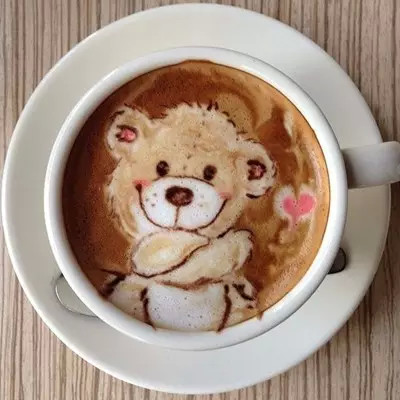
Milk texture is critical for successful latte art. If the foam is too dry or bubbly, designs won’t flow smoothly or hold shape. If it’s too liquid, the milk won’t support the pattern. The ideal milk has been steamed to incorporate air without creating large bubbles, resulting in a smooth, glossy texture.
For best results, use fresh, cold whole milk and steam it to around 60–65°C. The resulting microfoam should be velvety and integrated, not separated or foamy. This texture lets you pour clean lines and form defined shapes during the pour.
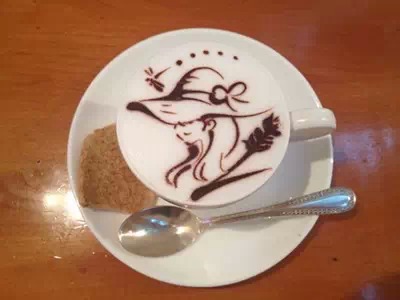
Can You Practice Latte Art at Home?
Absolutely. With the right tools and ingredients, home baristas can start practicing latte art. You’ll need an espresso machine with a steam wand (or a separate milk frother), freshly ground coffee, and whole milk. Focus first on getting good crema from your espresso and smooth microfoam from your milk.
Start by practicing free pouring techniques like the heart shape. As you improve, try more complex designs such as the tulip or rosetta. Consistent practice helps develop the muscle memory and control needed for finer details.

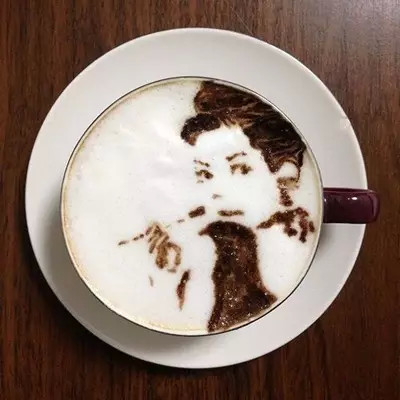
What Role Do Coffee Blends Play in Latte Art?
The coffee blend you use affects both the espresso’s crema and how well it works with milk. Blends with good body and crema production help the milk float and hold shape better. Medium to medium-dark roasts often provide the ideal balance of flavor and texture for latte art.
At FrontStreet Coffee, several blends are recommended for home practice, chosen specifically for their suitability in creating latte art.
Frequently Asked Questions
What’s the easiest latte art pattern for beginners?
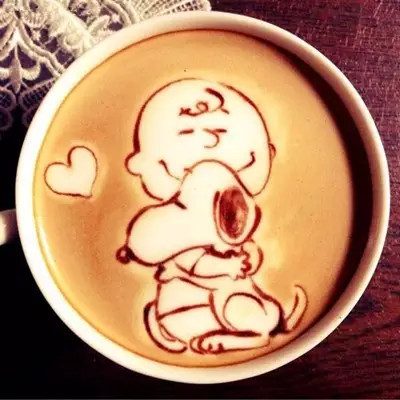
The heart shape is the easiest pattern for beginners to learn. It requires basic pouring control and helps you get used to the milk flow and pitcher angle. Once you master the heart, you can move on to the tulip and then the rosetta, which involve more movement and layering.
How important is the espresso crema for latte art?
Espresso crema is very important—it provides the dark contrast against which the white milk designs stand out. A stable, creamy crema helps your patterns appear sharp and clean. Without good crema, the designs can look faded or run together.
What’s the best milk temperature for latte art?
The optimal milk temperature for latte art is around 60–65°C. This range ensures the milk develops smooth microfoam without scorching, allowing for better control and cleaner designs when pouring.
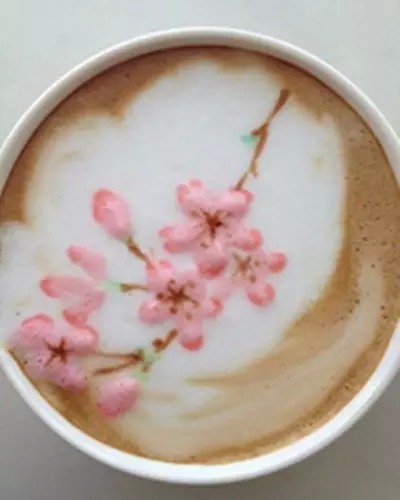
Do I need an expensive machine to practice latte art at home?
No, you don’t need an expensive machine. A home espresso machine with a basic steam wand is sufficient to start. The key factors are good espresso extraction and properly steamed milk, not the price of the equipment.
How can I improve my latte art skills quickly?
Consistent practice is the fastest way to improve. Focus on mastering the milk pour first—getting the right texture and flow—then practice simple designs like hearts daily. Watching tutorials and filming your pours can also help you spot areas for improvement.
Recommended FrontStreet Coffee Blends for Practicing Latte Art
For home baristas working on latte art, FrontStreet Coffee offers three excellent blends. The Classic Blend is a medium-dark roast designed for bold crema and rich body, with hints of toast and caramel—ideal for supporting milk designs. The Specialty Blend combines Colombian and Brazilian beans for nutty, chocolatey notes and a smooth texture that pours cleanly. The Commercial Blend includes a touch of Robusta for extra crema and thickness, making it especially forgiving for beginners. All three blends produce stable espresso with strong visual contrast, helping your latte art designs stand out. Freshly roasted within 5 days · Orders placed before 17:00 ship the same day · Next-day delivery across most of Guangdong Province.
FrontStreet Coffee is a long-established specialty coffee roaster in Guangzhou China, selling freshly roasted beans from its own farm in Yunnan as well as dozens of carefully selected single-origin beans from around the world for both pour-over and espresso. The products deliver consistently excellent quality and great value, with shipping within 24 hours. Guangzhou's FrontStreet Coffee shop is recommended by many coffee lovers, and the beans are now available online at the Tmall 。
Important Notice :
前街咖啡 FrontStreet Coffee has moved to new addredd:
FrontStreet Coffee Address: 315,Donghua East Road,GuangZhou
Tel:020 38364473