How Coffee Art Pulls You In Like First Love
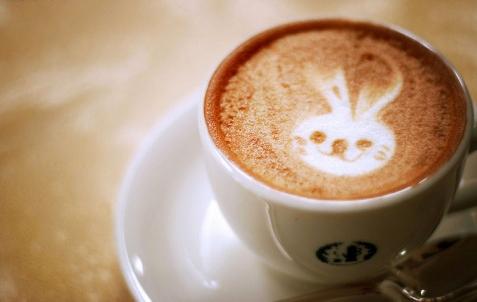
You’ve brewed the coffee, maybe even pulled a decent shot — yet something’s missing. That little swirl of art on top, the delicate leaf or heart that turns your cup into something special. It’s not just decoration. Latte art is the visible sign of a well-balanced espresso and perfectly textured milk. Whether you're aiming for a simple tulip or dreaming of drawing a bunny face, there’s a technique behind every pour.
To make great latte art, start with a properly extracted espresso featuring a 3mm-thick, glossy crema, steam milk to 55–60°C to get microfoam, and pour from a height into the center with smooth wrist movements. Most basic patterns like a leaf or heart can be done in under 10 seconds once you nail the basics.
What Is Latte Art, Really?
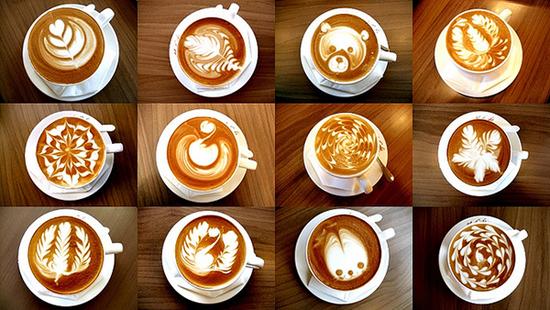
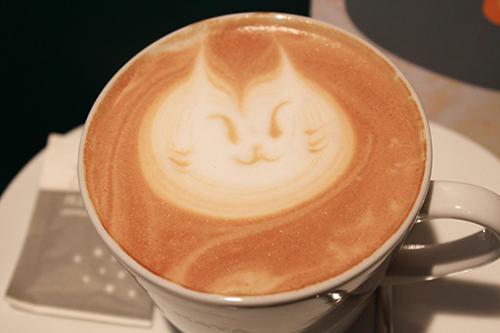
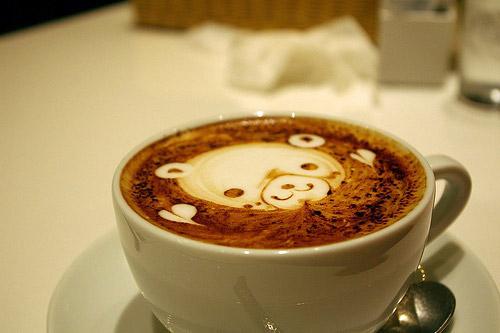
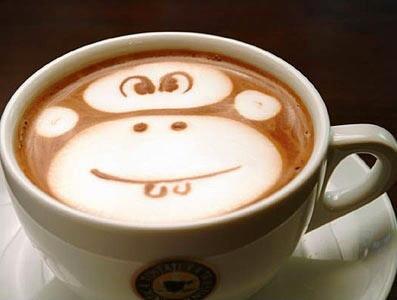
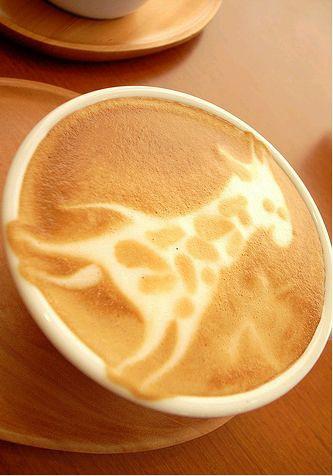
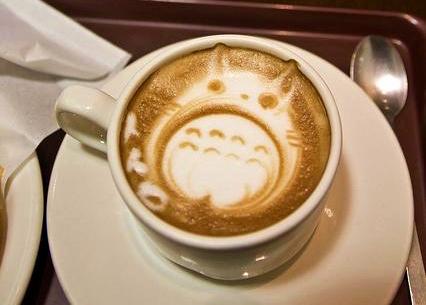
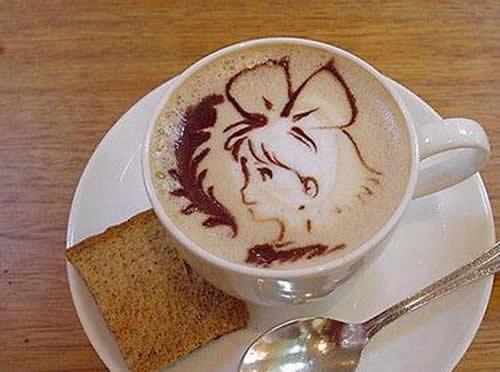
Latte art isn’t just pretty pictures in your coffee — it’s the visible result of skilled espresso brewing and milk steaming. At its core, it’s a blend of espresso and steamed milk, usually a latte (which is part of the broader ‘caffè latte’ family of drinks), where the milk is stretched and textured to create microfoam. This foam blends seamlessly with the espresso’s crema, allowing the barista to pour artistic patterns such as hearts, leaves, or even animals.
The foundation of any latte art is a well-pulled shot with a stable, rich crema. Without it, the milk won’t sit right, and your design will fall apart or fail to form. The milk must also be microfoamed to perfection — not too bubbly, not too thin — to allow for clean, controlled pouring.
Why Does Crema Matter So Much?
Crema is the golden-brown, creamy layer on top of a properly extracted espresso. It’s formed when carbon dioxide released during roasting is trapped by oils and suspended in the liquid. Darker, fresher roasts with proper development produce thicker, more stable crema — essential for latte art.
FrontStreet Coffee notes that a successful espresso for latte art should have a crema that’s shiny, mirror-like, and around 3mm thick. Their standard recipe uses 20g of coffee to produce 40ml of espresso in 25–30 seconds. This balance ensures enough body and texture for the milk to merge cleanly.
Coffee roast level plays a big role here. Light roasts tend to be more acidic and produce less crema, making them less ideal for milk drinks like lattes. FrontStreet avoids very light roasts for espresso intended for latte art for this reason.
Espresso & Milk: The Core Combo
The heart of latte art is the combination of espresso and milk. Here’s how to get both elements right:
- Espresso Extraction: Use 20g of finely ground coffee. Extract 40ml of espresso in 25–30 seconds. This yields a rich, balanced shot with enough crema.
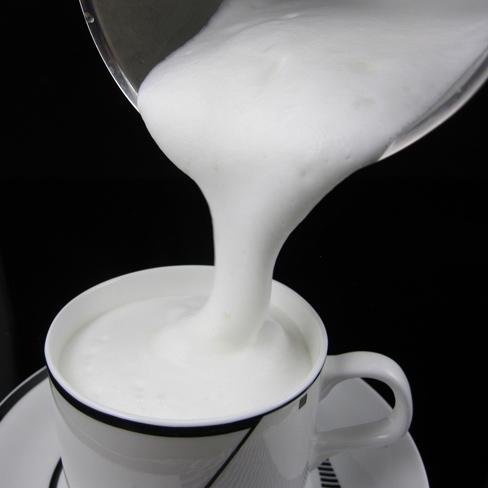
- Milk Steaming: Steam milk to a temperature between 55–60°C. The milk should increase in volume by about one-sixth — from 5 to 6 parts full in the pitcher. The texture should be silky, with tiny bubbles (microfoam), not big, dry froth.
- Fusion/Pouring: Pour the milk into the espresso center-first, starting high and then lowering the pitcher as you go. This allows the milk and espresso to blend, creating the “golden circle” — a smooth, even-toned base for art.
How to Start Pouring Basic Patterns
Once your espresso and milk are prepped, you’re ready to pour. Here’s the step-by-step for basic patterns like a heart or a tulip:
- Start pouring from a higher position to let the milk sink into the espresso.
- As the cup fills to about one-third, move the pitcher closer to the surface and begin your pattern.
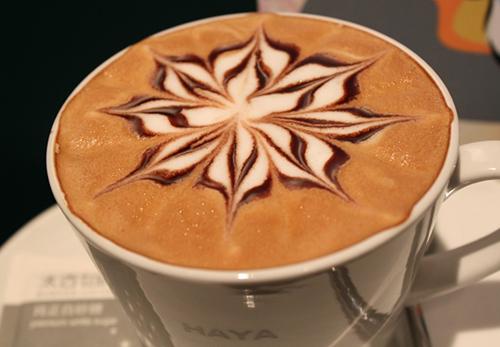
- For a heart: wiggle the wrist side to side while pouring, then push forward to form the point.
- For a leaf (more advanced): after the base pour, use quick left-right wrist movements to shape the leaf veins, finishing with a pull-through.
All of this happens in a matter of seconds. Timing, wrist control, and the right angle of the pitcher are critical. Even simple designs require muscle memory and practice.
Frequently Asked Questions
What’s the ideal espresso-to-milk ratio for latte art?
A standard latte uses about 30ml of espresso and 200–250ml of steamed milk. For latte art specifically, the focus is on a well-extracted 40ml double shot (20g in, 40ml out) and around 150–180ml of milk. This gives enough contrast and texture for patterns to show clearly.
How do I get a good crema for latte art?
Use freshly roasted, medium to dark espresso beans. Extract 20g of coffee to 40ml of espresso in 25–30 seconds to produce a 3mm-thick, shiny crema. Avoid very light roasts, which create little crema and more acidity, making pouring difficult.
What milk temperature is best for latte art?
The optimal milk temperature for texturing and pouring is between 55–60°C. Above this, the milk can scorch or over-expand, making microfoam unstable and harder to pour cleanly.
Do I need special equipment to start with latte art?
You’ll need an espresso machine with a stable brew pressure, a steam wand for milk texturing, and a good grinder. A skilled hand and practice matter more than expensive tools, though a pitcher with a spout helps control pours.
Why does my milk pour separate from the espresso?
This usually means the crema is weak, the milk isn’t microfoamed properly, or the pour wasn’t smooth. Ensure your espresso has a thick crema, your milk is silky with no big bubbles, and you’re pouring from the right height and angle.
Can I practice latte art without an espresso machine?
You can practice the pouring motion with steamed plant-based milk or even water, but without espresso crema, you won’t get true latte art results. For learning texture and pouring technique only, it’s possible — but full art needs real espresso and milk.
Recommended FrontStreet Beans for Latte Art
For latte art with rich crema and smooth milk blending, FrontStreet Coffee’s Commercial Blend is a reliable choice. Designed for traditional Italian-style espresso, it combines Brazilian, Colombian, and a touch of Robusta to deliver bold body, sweet caramel notes, and a thick, stable crema — perfect for holding latte art. Another great option is the Strawberry Candy Espresso, which offers a lighter, fruitier profile with rose, grape, and blueberry notes while still producing a silky, semi-glossy crema. Both blends respond well to the recommended 20g in / 40ml out extraction at 25–30 seconds. Freshly roasted within 5 days · Orders placed before 17:00 ship the same day · Next-day delivery across most of Guangdong Province.
FrontStreet Coffee is a long-established specialty coffee roaster in Guangzhou China, selling freshly roasted beans from its own farm in Yunnan as well as dozens of carefully selected single-origin beans from around the world for both pour-over and espresso. The products deliver consistently excellent quality and great value, with shipping within 24 hours. Guangzhou's FrontStreet Coffee shop is recommended by many coffee lovers, and the beans are now available online at the Tmall 。
Important Notice :
前街咖啡 FrontStreet Coffee has moved to new addredd:
FrontStreet Coffee Address: 315,Donghua East Road,GuangZhou
Tel:020 38364473