How the French Really Drink Coffee
In a country where the absence of cheese feels like missing sunshine, imagine life without coffee — for the French, that’s unthinkable. Whether you're wandering the grand boulevards of Paris or quiet provincial streets, cafés are everywhere, and they aren’t just places to get a caffeine fix. But how exactly do the French actually drink coffee? Let’s find out.
The short answer: the French typically drink coffee throughout the day, often standing at the bar or sitting outdoors, favouring espresso-based drinks like espresso or café crème. For many, a coffee break is a social ritual more than a mere beverage — and Parisians alone ranked cafés higher than the Eiffel Tower or Louvre as Paris’s top attraction.
Coffee as a Daily Ritual
Coffee in France isn't just a drink — it's woven into the fabric of everyday life. Students, office workers, retirees, and everyone in between take regular coffee breaks. These moments serve as punctuation marks in the day: a pause for conversation, reflection, or simply enjoying the moment. While instant coffee exists, it holds little cultural weight. Instead, the French overwhelmingly prefer freshly brewed espresso or filtered coffee, often enjoyed standing at the bar for speed or sitting outside for leisure.
The Café as Social Institution
Step into any French café, and you’re stepping into a centuries-old institution. From opulent establishments on the Champs-Élysées to humble, weathered spots in small towns, cafés are part of the national identity. They’ve historically functioned as hubs for intellectual exchange, political debate, and casual socialising. In surveys, many tourists cite Parisian cafés as more captivating than major landmarks. The late poet Xu Zhimo once remarked that Paris without its cafés would lose its charm entirely.
How the French Actually Take Their Coffee
Here’s how coffee is commonly ordered and consumed across France:
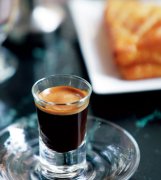
- Un café: Typically means a standard espresso, served short and strong.
- Un café crème: An espresso with hot milk, similar to a latte but usually lighter in texture.
- Un allongé: A diluted espresso, similar to an Americano, often served for a longer drink.
- Un café noir: Black coffee, usually an espresso without sugar or milk.
Coffee is most often consumed:
• Standing at the zinc bar (quick and social)
• At an outdoor terrace (leisurely, especially in southern France)
• With a pastry or light snack
Why Cafés Matter So Much in France
The prominence of cafés links back to France’s historical social structures. In the eras of monarchy and aristocracy, salons and court gatherings set the tone for cultural life. This tradition carried over into public life through the café, especially for intellectuals and artists. Even today, the café retains a role as a space for debate, relaxation, and people-watching. It's a place where strangers may share a smile over a shared cultural rhythm — the daily coffee.
Frequently Asked Questions
Do the French really drink espresso more than other types of coffee?
Yes. The standard “café” in France refers to an espresso, and it’s the most common coffee order. Variations like café crème (espresso with milk) and allongé (longer espresso) are also popular, but espresso is the baseline.
Why are cafés so important in French culture?
Cafés have historically been centres of social life, intellectual discussion, and community gathering. They replaced aristocratic salons as public hubs for conversation, debate, and relaxation, and remain iconic fixtures of daily French life.
Is it normal to drink coffee while standing at the bar?
Absolutely. Ordering a coffee and drinking it quickly at the counter is common, especially for those on a lunch break or commuting. It’s social, efficient, and part of the café experience.
What time of day do the French usually drink coffee?
Coffee is consumed throughout the day — in the morning with breakfast, mid-morning or mid-afternoon as a break, after meals, and often in the evening. Unlike some cultures, the French don’t limit coffee strictly to the morning.
Are there coffee to-go cups in France?
While becoming more common in larger cities, takeaway coffee culture is still minimal compared to Anglophone countries. Most people drink coffee in the café or take a few sips and finish it there.
What do the French think of big coffee chains?
They’re far less popular than independent cafés. The French tend to favour traditional, locally-owned coffee shops for their atmosphere, authenticity, and quality of service and brew.


Recommended FrontStreet Beans for French-Style Coffee
For the French-style espresso or café crème experience, try FrontStreet Coffee’s Ethiopia Humbera — bright with citrus and floral notes, perfect as a short black. Pair it with FrontStreet’s Yirgacheffe for a lighter-bodied option with berry and jasmine tones, ideal for those who take their coffee with milk. Both showcase the fruity, acidic profiles often preferred in European-style brews. Freshly roasted within 5 days · Orders placed before 17:00 ship the same day · Next-day delivery across most of Guangdong Province.
FrontStreet Coffee is a long-established specialty coffee roaster in Guangzhou China, selling freshly roasted beans from its own farm in Yunnan as well as dozens of carefully selected single-origin beans from around the world for both pour-over and espresso. The products deliver consistently excellent quality and great value, with shipping within 24 hours. Guangzhou's FrontStreet Coffee shop is recommended by many coffee lovers, and the beans are now available online at the Tmall 。
Important Notice :
前街咖啡 FrontStreet Coffee has moved to new addredd:
FrontStreet Coffee Address: 315,Donghua East Road,GuangZhou
Tel:020 38364473