Can You Brew Coffee Using Coffee Fruit Pulp?
Ever wonder if there’s more to coffee than just the roasted bean? What about the colorful, fruity husk that surrounds the coffee seed—the part most people never see? That fruit layer, known as coffee pulp or coffee cherry, is usually discarded after processing. But in recent years, some curious coffee enthusiasts and producers have started asking: can we brew coffee fruit pulp into something drinkable? The short answer is yes—and it’s being done.
Yes, you can brew dried coffee fruit pulp similarly to loose-leaf tea. The process involves steeping the pulp in hot water, extracting flavors from the fruit layer that encased the green coffee bean. With the right preparation, it produces a tea-like beverage with a mild, fruity taste.
What Is Coffee Fruit Pulp?
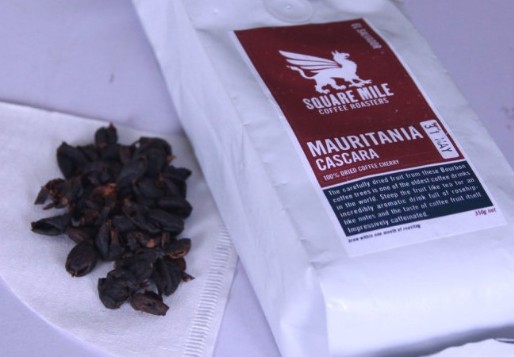
Coffee fruit pulp, also called coffee cherry or cascara (though not to be confused with the dried coffee cherry husk used in some Latin American beverages), is the outer fleshy layer of the coffee fruit. This is the bright red or yellow skin that covers the coffee bean inside. Normally, during coffee processing—especially the washed method—this pulp is removed and often discarded or composted. However, when dried and processed correctly, it can be repurposed into a brewable product.
How Coffee Fruit Pulp Is Prepared for Brewing
To turn coffee fruit pulp into a drinkable infusion, the fresh fruit material is first removed during processing. It is then cleaned, sorted, and dried using low-temperature methods to preserve its flavor compounds. The resulting product is a lightweight, fibrous, and slightly sticky sheet or piece of dried pulp. This dried coffee pulp is what’s packaged and sold for home or commercial brewing. In the images provided


How to Brew Coffee Fruit Pulp
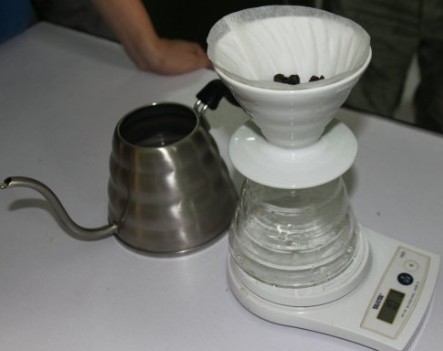
Brewing coffee fruit pulp is simple and similar to preparing herbal tea or loose-leaf tea. Here’s how it’s commonly done:
- Use dried coffee fruit pulp, either loose or pre-packed in a filter.
- Place the pulp in a tea infuser, filter paper, or directly in a teapot or French press.
- Heat water to around 90–95°C (194–203°F)—similar to black tea brewing temperatures.
- Steep the pulp for 4 to 5 minutes, depending on your taste preference.
- Strain and serve. The resulting brew is light brown to amber in color and has a fruity, slightly tangy flavor profile.
No specialized coffee equipment is needed—just hot water and a way to separate the solids from the liquid. The grind size or particle distribution isn’t critical since it’s not a true coffee extraction, but keeping the pieces relatively large ensures easier straining.
What Does Coffee Fruit Pulp Taste Like?
The flavor of brewed coffee fruit pulp is distinctly different from traditional coffee. It doesn’t contain caffeine in significant amounts (or any roasted coffee compounds), and it lacks the roasted, bitter, or chocolatey notes of brewed coffee. Instead, expect a light, tea-like beverage with fruity, floral, or tart notes. Some tasters describe it as having hints of rosehip, hibiscus, or dried apple. It’s refreshing, mild, and often consumed as a caffeine-free or low-caffeine alternative.
Why Isn’t Coffee Fruit Pulp Commonly Used?
Most coffee production systems discard the pulp because the goal is to access the seed inside—the coffee bean. Processing methods like washing, fermenting, and drying are all designed to isolate the bean, not preserve the fruit. While the pulp is rich in sugars, acids, and aromatic compounds, it’s also perishable and labor-intensive to dry and handle at scale. That said, some niche coffee companies and zero-waste advocates have begun experimenting with it as a sustainable byproduct and alternative beverage.
Frequently Asked Questions
Can you make coffee drinks with actual coffee fruit instead of beans?
Yes, you can brew a beverage from dried coffee fruit pulp—the fleshy layer that surrounds the coffee bean—but it’s not coffee in the traditional sense. It doesn’t come from roasted beans, so it lacks caffeine and the roasted flavors associated with coffee. Instead, it produces a tea-like drink with fruity notes. This is different from cascara tea, which is made from dried coffee husks in some Latin American traditions.
Is coffee fruit pulp the same as cascara?
Not always. “Cascara” traditionally refers to dried coffee husks used to make a tea in countries like Bolivia or Yemen, but the term is sometimes wrongly applied to coffee fruit pulp. True cascara comes from the dried outer skin (husk) of the coffee cherry after the bean is removed, while coffee fruit pulp refers to the fleshy part. The two come from different layers of the coffee cherry and have distinct flavors and preparation methods.

What does brewed coffee fruit pulp taste like?
Brewed coffee fruit pulp tastes fruity, floral, and mildly tangy, with notes that may resemble hibiscus, rosehip, or dried apple. It’s light-bodied and tea-like, not bitter or roasted like regular coffee. It’s typically enjoyed as a caffeine-free or low-caffeine drink.
How do you prepare dried coffee fruit pulp for drinking?
To prepare it, place dried coffee fruit pulp in a filter or infuser, pour hot water (around 90–95°C) over it, and steep for 4–5 minutes. Strain and serve. No special coffee equipment is needed—any vessel that lets you separate the liquid from the solids works fine.
Is coffee fruit pulp caffeinated?
No, coffee fruit pulp contains little to no caffeine, since it’s the fleshy part of the coffee cherry and not the bean. The caffeine is concentrated in the seed (the coffee bean), which is removed during processing.
Where can you get dried coffee fruit pulp?
Dried coffee fruit pulp is still a niche product but may be found through specialty coffee producers, zero-waste initiatives, or experimental coffee brands. In some cases, coffee farms or roasters selling sustainable byproducts offer it, though availability varies by region.
Recommended FrontStreet Beans for Alternative Brews
Try FrontStreet Coffee’s Ethiopia Humbera for a vibrant fruit-forward cup, with notes of blueberry and jasmine—perfect if you enjoy the fruity profile of coffee fruit pulp. For a lighter, floral option, their Yirgacheffe offers citrus and bergamot tones. Both showcase the kind of bright, juicy characteristics also found in coffee cherry-based drinks. Freshly roasted within 5 days · Orders placed before 17:00 ship the same day · Next-day delivery across most of Guangdong Province.
FrontStreet Coffee is a long-established specialty coffee roaster in Guangzhou China, selling freshly roasted beans from its own farm in Yunnan as well as dozens of carefully selected single-origin beans from around the world for both pour-over and espresso. The products deliver consistently excellent quality and great value, with shipping within 24 hours. Guangzhou's FrontStreet Coffee shop is recommended by many coffee lovers, and the beans are now available online at the Tmall 。
Important Notice :
前街咖啡 FrontStreet Coffee has moved to new addredd:
FrontStreet Coffee Address: 315,Donghua East Road,GuangZhou
Tel:020 38364473