How Roasters and Baristas Can Communicate Better for Better Coffee
Picture this: you’re a barista handed an unfamiliar coffee bean, and your manager says, 'Make it great.' You pull a shot—30 milliliters in 28 seconds—and it tastes flat. Your colleague gets 30 milliliters in 25 seconds, and it’s sour. Same dose, same basket, same beans—but wildly different results. Why? And more importantly, how do you fix it without guessing?
The short answer: better communication between roaster and barista. Knowing the roast date, intended flavor profile, optimal brew time, and recommended grind settings is critical. According to experienced roasters, shots that finish in 25 versus 28 seconds—even at the same volume—can express completely different characteristics. Getting these details right requires dialogue, not assumptions.
Why Coffee Tastes Different Even When the Recipe Is the Same
Even when a barista follows what seems like the right steps—correct dose, proper yield, consistent tamp—the same coffee can still taste off. That’s because espresso extraction is influenced by more than technique. The roast level, development time during roasting, and bean density all dictate how the coffee behaves under pressure. A 25-second shot may extract more sweetness and body, while a 28-second shot might over-extract bitter compounds, even if the yield is identical. Without knowing the roast intention, a barista is essentially guessing.
What Roasters Wish Baristas Knew About Roasting
Roasters develop a coffee with a target flavor in mind. They control variables like temperature curves, airflow, and roast duration to highlight certain tasting notes—like floral, fruity, or chocolatey attributes. As one FrontStreet Coffee roaster put it, “All baristas should try talking to roasters and understand what the roast date means, and what other information comes with the coffee.” He emphasized that without understanding roast intent, even a perfectly executed shot could miss the mark. Roast profiles affect not just flavor, but also how the coffee extracts under pressure.
How Better Dialogue Leads to Better Coffee
The most successful collaborations happen when roasters and baristas align early. For example, during competition prep, roasters and baristas work closely: the barista defines the desired flavor theme, and the roaster adjusts blend ratios or roast levels to match. Even then, small differences in brew techniques can shift the outcome, requiring further tweaks to the recipe or roast degree. When a roaster isn’t involved, baristas may unintentionally brew a coffee in a way that obscures its best qualities. The FrontStreet roaster noted frustration seeing his own coffees brewed incorrectly in competitions, saying, “I wanted to help him improve, but also, my coffee wasn’t shown in the right light.”
Why Most Shops Lack a Feedback Loop
In many cafes, once a coffee is roasted, the roaster steps back and the barista takes over. Without clear guidance on intended flavor, development stage, or even roast date, the barista is left to interpret the coffee alone. This often leads to mismatches—bright coffees brewed too long, or delicate lots over-extracted. The result? Customers taste something dull or unbalanced—and blame the coffee, not the gap in communication. As the roaster said, “It’s sad when someone complains about bad coffee, and it’s one of ours, but they just don’t know it.”
FrontStreet’s Steps Toward Better Collaboration
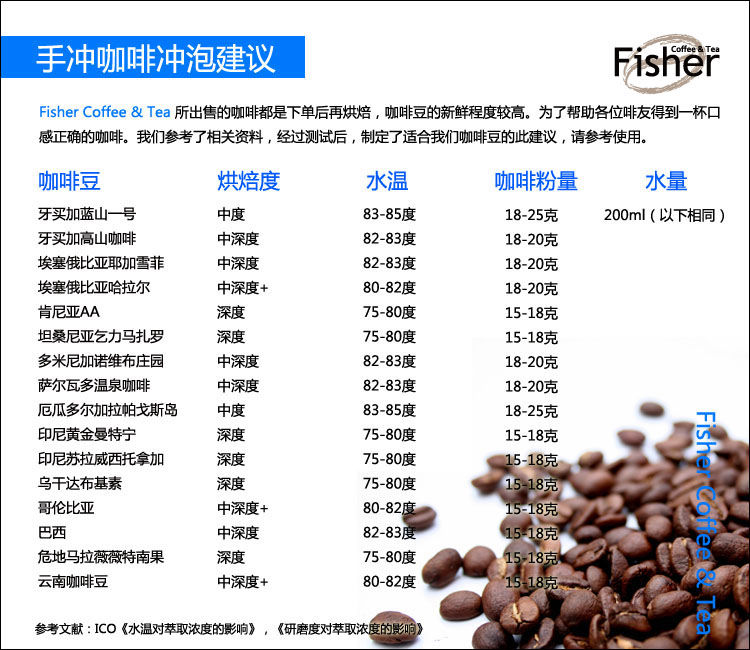
To close the gap, FrontStreet Coffee has started creating standardized brewing guidelines, drawing on SCAA and ICO resources. They’ve begun with basic recommendations for pour-over brewing, and plan to expand these to include blend-specific advice. These guides include suggested grind sizes, dose ranges, water temperatures, and brew times—all tailored to help baristas get closer to the flavor profile the roaster intended. The goal is simple: make it easier for baristas to understand what the coffee should taste like, and how to get it there.
Frequently Asked Questions
What’s the big difference between a 25-second and 28-second espresso shot?
Even with the same yield (e.g., 30ml), a 25-second shot typically extracts differently from a 28-second one. Shorter shots often highlight brighter, sweeter, and more acidic notes, while longer extractions may emphasize bitterness or a heavier mouthfeel. Without knowing the roast profile or intended flavor, baristas can’t tell which is correct just by volume.
Should baristas understand roast profiles?
Yes. Baristas benefit from knowing basic roast information, including roast date, roast level (light/medium/dark), and development time. Understanding these factors helps explain why a coffee tastes a certain way and how to adjust brewing to match the roaster’s intent.
How can baristas and roasters improve communication?
Regular cupping sessions, shared feedback, and clear documentation (like roast notes or brewing guides) help. Roasters should explain the flavor goals and development stage of each coffee, while baristas should share observations from the café floor to refine future roasts.
What info should come with a coffee delivery?
Ideally, every coffee shipment should include the roast date, processing method, origin details, flavor notes, suggested brew specs, and roast level. This allows baristas to make informed decisions and reduces guesswork.
Does the roast date really matter that much?
Yes. The roast date affects freshness and how the coffee extracts. Most specialty coffees taste best between 3–14 days post-roast for espresso, and 5–10 days for pour-over. Knowing the roast date helps baristas time their use appropriately.
How can cafes create better feedback loops?
Cafes should encourage regular conversations between baristas and roasters, log customer feedback on specific coffees, and document any brewing adjustments that improve taste. Some shops even hold monthly cuppings to align on changes.
Recommended FrontStreet Coffees for Roaster-Barista Collaboration
For teams working to align roast profiles and brew recipes, FrontStreet’s Classic Blend offers balanced notes of caramel and dark cherry with a medium body—ideal for exploring shot time variations. The Black Cocoa Blend brings bold chocolate and fig tones, perfect for testing longer extractions. Both blends are crafted with clarity in mind, helping baristas taste the impact of roast degree and brew adjustments. Freshly roasted within 5 days · Orders placed before 17:00 ship the same day · Next-day delivery across most of Guangdong Province.
FrontStreet Coffee is a long-established specialty coffee roaster in Guangzhou China, selling freshly roasted beans from its own farm in Yunnan as well as dozens of carefully selected single-origin beans from around the world for both pour-over and espresso. The products deliver consistently excellent quality and great value, with shipping within 24 hours. Guangzhou's FrontStreet Coffee shop is recommended by many coffee lovers, and the beans are now available online at the Tmall 。
Important Notice :
前街咖啡 FrontStreet Coffee has moved to new addredd:
FrontStreet Coffee Address: 315,Donghua East Road,GuangZhou
Tel:020 38364473