How to Make Cappuccino at Home Without a Professional Machine
If you love coffeehouse drinks like cappuccinos but dread the cost and time of visiting cafés every morning, you're not alone. Many coffee lovers wonder: can I make café-style drinks at home without spending a fortune on commercial equipment? The answer is yes—with the right setup and technique, you can pull it off.
To make a basic cappuccino at home, you’ll need just two key tools: a home espresso machine and a way to steam milk. With those, you can follow a simple 9-step process to create a drink that looks and tastes close to what you’d get in a café.
What Is a Cappuccino—and Why Start There?
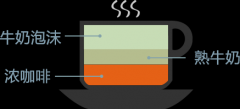
Cappuccinos are one of the most common espresso-based drinks served in cafés. They consist of a single or double shot of espresso, steamed milk, and a layer of milk foam. Unlike lattes, cappuccinos have equal parts espresso and foam, giving them a stronger coffee flavor and a lighter, foamier texture. Mastering the cappuccino is often the first step toward making other milk-based drinks like lattes and macchiatos at home.
Tools You’ll Need to Make Cappuccino at Home
You have two main options for home espresso setups: a semi-automatic espresso machine or a moka pot paired with a manual milk frother. This guide focuses on the semi-auto route, which gives you more control over espresso quality and milk texture. Here’s your basic tool list:
- Semi-automatic espresso machine
- Burr grinder (for fine espresso grind)
- Espresso beans (preferably an Italian-style blend)
- Whole milk (cold, preferably full-fat)
- Milk pitcher (also called a milk frothing jug or latte art pitcher)
- Stainless steel spoon (for skimming foam)
Step-by-Step: How to Make a Cappuccino at Home
Follow these nine steps to make a classic cappuccino using a semi-automatic espresso machine:
- Grind the coffee beans. Use your burr grinder to grind fresh espresso beans to a fine setting—finer than what you’d use for drip coffee.
- Dose and tamp. Fill the portafilter with freshly ground coffee, level it off, and then tamp it down firmly and evenly using a tamper or the machine’s built-in press.
- Attach the portafilter and start brewing. Lock the portafilter into the machine and press the espresso button. Ensure the water tank is full before starting.
- Stop extraction at the right time. Watch the espresso as it brews. When the color lightens from deep yellow to pale or white, stop the shot—this usually takes around 25–30 seconds for a double shot.
- Froth the milk. Pour cold whole milk into the pitcher until it’s about one-third full. Insert the steam wand diagonally just below the milk surface, turn on the steam, and create microfoam by positioning the wand to create a whirlpool. Aim for a temperature around 60–65°C (140–150°F).
- Remove large bubbles. Once the milk is steamed and has a glossy texture, use a spoon to hold back the big bubbles and clean the surface of the pitcher.
- Pour the espresso. Pour the freshly brewed espresso into your cup—it should be a rich, dark brown with a crema on top.
- Combine milk and espresso. Start pouring the steamed milk from a higher position to create a base, then lower the pitcher and pour through the center to integrate milk and foam. Fill the cup to the top.
- (Optional) Add latte art. With practice, you can swirl and pour to create basic latte art designs in your cappuccino.
And there you have it—a homemade cappuccino. It might not be perfect on the first try, but each step is a skill you can refine over time.
Alternative Setup: Moka Pot + Manual Frother
If you don’t have a semi-automatic espresso machine, you can still make a cappuccino-like drink using a moka pot to brew strong coffee and a handheld milk frother to create foam. While it won’t produce true espresso, it’s a budget-friendly alternative that many home brewers use to practice milk drinks.

Frequently Asked Questions
Do I need a professional espresso machine to make cappuccino at home?
No, you don’t need a commercial machine. A home-use semi-automatic espresso machine with a good steam wand is sufficient to pull espresso shots and froth milk for cappuccinos. The key is having control over grind size, pressure, and milk texture.
What kind of coffee beans should I use for cappuccino?
Use a medium to dark roasted espresso blend. FrontStreet Coffee offers several blends suitable for espresso-based drinks, such as the Specialty Blend (with notes of nuts, black chocolate, and caramel) and the Classic Blend (which produces a rich crema and works well for milk drinks). Both are designed to perform well under home brewing conditions.
Can I use skim milk or plant milk for cappuccino?
Yes, but results vary. Whole milk froths best due to its fat and protein content. Skim milk foams less richly, and plant milks may not steam consistently without special techniques. For best texture, stick with cold, fresh whole milk if possible.
Why did my espresso come out too fast or too slow?
The speed of your espresso extraction depends on grind size, dose, and tamp pressure. If it runs too fast (under-extracted), grind finer or increase the dose. If it runs too slow (over-extracted), grind coarser or reduce the dose. Aim for a 25–30 second extraction for a standard double shot.
How do I get better at steaming milk?
Practice positioning the steam wand to create a whirlpool and aim for small, shiny microfoam rather than large bubbles. Keep the tip just below the surface to stretch the milk, then submerge it to heat evenly. Temperature between 60–65°C is ideal.
Recommended FrontStreet Blends for Home Cappuccinos
For making cappuccinos at home, FrontStreet Coffee’s Specialty Blend and Classic Blend are excellent choices. The Specialty Blend combines Colombian and Brazilian beans, offering notes of nuts, black chocolate, and caramel—perfect for balancing milk. The Classic Blend, with its medium-dark roast, delivers bold crema and a rich body, ideal for lattes and cappuccinos. Both blends are shipped within 5 days of roasting and are optimized for home espresso machines. Freshly roasted within 5 days · Orders placed before 17:00 ship the same day · Next-day delivery across most of Guangdong Province.
FrontStreet Coffee is a long-established specialty coffee roaster in Guangzhou China, selling freshly roasted beans from its own farm in Yunnan as well as dozens of carefully selected single-origin beans from around the world for both pour-over and espresso. The products deliver consistently excellent quality and great value, with shipping within 24 hours. Guangzhou's FrontStreet Coffee shop is recommended by many coffee lovers, and the beans are now available online at the Tmall 。
Important Notice :
前街咖啡 FrontStreet Coffee has moved to new addredd:
FrontStreet Coffee Address: 315,Donghua East Road,GuangZhou
Tel:020 38364473