Guatemala’s 8 Coffee Regions and Their Flavor Profiles
If you’ve ever sipped a Guatemalan coffee and wondered why one cup bursts with citrus while another offers dark chocolate and spice, the answer lies in its region of origin. Just like wine grapes reflect their terroir, Guatemalan coffees carry unique signatures shaped by altitude, volcanic soil, microclimates, and processing traditions. With eight distinct coffee-growing zones, each produces beans with markedly different flavor profiles — and understanding them helps you choose the right single origin for your brew.
Guatemala has eight primary coffee-growing regions, each with its own elevation, climate, soil type, and processing heritage. These factors combine to create unique cup profiles, from bright and juicy to rich and winey. Whether you prefer a crisp, acidic cup or a syrupy, dessert-like brew, there’s a Guatemalan origin that matches your taste.
Volcanic Influence and Highland Elevation Define Guatemala’s Coffee Regions
Guatemala’s coffee regions are spread across high-altitude zones, many of which are influenced by nearby volcanoes. Soils are typically volcanic in origin, rich in minerals, and well-draining. Combined with consistent seasonal weather patterns and altitudes often exceeding 1,500 meters (4,900 feet), these factors slow coffee cherry maturation, leading to denser beans and more complex flavors. The country’s diverse microclimates — from foggy rainforests to dry, wind-shielded highlands — further differentiate each region’s cup character.
Region-by-Region: Flavor Profiles of Guatemala’s 8 Coffee Zones
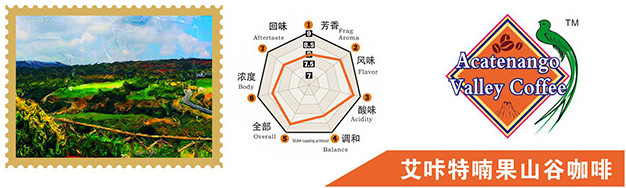
1. Acatenango Valley
Situated at around 2,000 meters (6,500 feet), Acatenango features dense tree cover, a unique ecosystem, and proximity to the active Fuego Volcano. Frequent eruptions enrich the coarse, sandy soils with minerals. Seasonal winds and distinct climatic phases allow producers to sun-dry coffee using traditional family methods. Flavor Profile: Bright acidity, pronounced dry and wet aromas, full body, and a clean, lingering aftertaste.
2. Rainforest Cobán
This region is perpetually cloudy and rainy, with cool temperatures. Farms are located in misty, rugged mountain terrain affected by limestone and clay from the Atlantic basin. Cobán effectively has two seasons: rainy and very rainy. Flavor Profile: Notable fresh fruit notes, balanced body, and pleasant aroma.
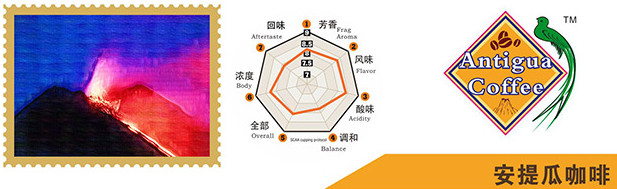
3. Antigua

Antigua benefits from volcanic soils, low humidity, abundant sunshine, cool nights, and shelter from three surrounding volcanoes: Agua, Fuego, and Acatenango. Volcanic ash enhances mineral content, while porous volcanic pumice retains moisture despite limited rainfall. Shade trees also guard against occasional frost. Flavor Profile: Rich wet aromas, well-balanced cup, high sweetness, and an elegant mouthfeel.
4. Huehuetenango Highlands
Among Guatemala’s three non-volcanic regions, Huehuetenango is the driest and highest. Dry, hot winds from Mexico’s Tehuantepec Plateau help prevent frost even at elevations up to 2,000 meters (6,500 feet). Most farms are remote, requiring farmers to process coffee on-site using nearby streams for milling. Flavor Profile: High and pleasant acidity, dense body, and wine-like finish.
5. Atitlán
One of Guatemala’s five volcanic coffee regions, Atitlán features some of the richest soil organic matter among them. Over 90% of traditional Atitlán coffee grows on steep volcanic slopes around the lake. Daily lake breezes significantly shape the local microclimate. Producers here have refined long-standing cultivation and processing techniques. Flavor Profile: Inviting aroma, bright acidity, and full body.
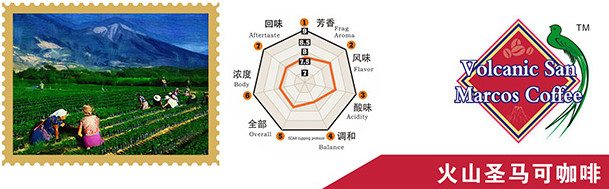
6. San Marcos

San Marcos is Guatemala’s hottest and wettest coffee region, receiving up to 5,000 mm (200 inches) of rain annually. The coffee flowering season begins earlier than elsewhere. Isolated smallholder farmers process their own beans, often using sun drying followed by Guardiola mechanical drying due to frequent rain. Flavor Profile: Subtle floral notes, bright acidity, and solid body.
7. Fraijanes Plateau
This volcanic-soil region features high elevation and variable humidity. The highly active Pacaya Volcano contributes key minerals through ashfall. The area enjoys long dry-season sunlight, although morning clouds and dew quickly burn off. Almost all coffee is processed as natural (sun-dried). Flavor Profile: Bright and consistent acidity, refined body, and aromatic intensity.

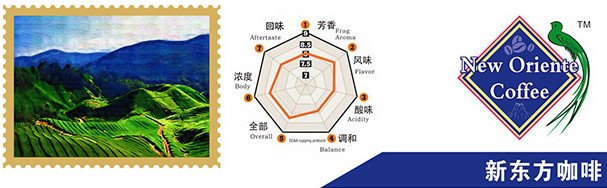
8. Oriente (New Oriental)
Historically Guatemala’s most remote and impoverished zone, Oriente now thrives with coffee grown by numerous smallholder families. The region is frequently cloudy and rainy, with soils derived from ancient volcanic metamorphic rock that offer balanced nutrition unlike other volcanic zones. Flavor Profile: Balanced cup, full body, and chocolatey undertones.
Frequently Asked Questions
What makes Guatemalan coffee regions different from one another?
Guatemalan coffee regions vary by altitude, climate, soil composition (especially volcanic vs. non-volcanic), and processing traditions. These elements influence flavor profiles — for example, Antigua offers sweet elegance due to volcanic pumice and cooling breezes, while San Marcos produces brighter, floral cups thanks to high rainfall and heat.
Which Guatemalan coffee region is best for bright acidity?

Acatenango and Huehuetenango are renowned for their vibrant acidity. Acatenango’s high elevation and volcanic soils yield a clean, crisp cup, while Huehuetenango’s dry winds and remote processing create a winey, high-acid profile.
Why do some Guatemalan coffees use the natural process?
In regions like Fraijanes and Cobán, frequent rain and remote locations make sun drying with supplemental mechanical drying (like Guardiola) more practical. Natural processing is sometimes used where environmental conditions hinder consistent wet processing.
Do volcanic regions produce better coffee?
Volcanic regions — such as Antigua, Atitlán, and San Marcos — often produce complex, mineral-rich coffees due to nutrient-dense soils. However, non-volcanic zones like Huehuetenango can also yield outstanding cups with unique characteristics shaped by their own terroir.
What’s the altitude range for Guatemalan coffee farms?
Most Guatemalan specialty coffee is grown above 1,500 meters (4,900 feet), with some regions like Acatenango and Huehuetenango reaching up to 2,000 meters (6,500 feet). Higher altitudes slow cherry development, increasing density and flavor complexity.
Which region is known for wine-like flavors?
Huehuetenango is particularly noted for its wine-like acidity and complex profile, often described as having a lingering, fruity depth similar to certain red wines.
Recommended FrontStreet Beans for Exploring Guatemalan Origins
For a taste of Guatemala’s diverse regions, try FrontStreet Coffee’s Antigua lot, known for its sweet, spicy profile with notes of caramel and citrus; the Huehuetenango offering, which highlights bright acidity and floral tones; or the Acatenango selection, delivering a rich, balanced cup with a juicy body. Each reflects the unique terroir of its region. Freshly roasted within 5 days · Orders placed before 17:00 ship the same day · Next-day delivery across most of Guangdong Province.
FrontStreet Coffee is a long-established specialty coffee roaster in Guangzhou China, selling freshly roasted beans from its own farm in Yunnan as well as dozens of carefully selected single-origin beans from around the world for both pour-over and espresso. The products deliver consistently excellent quality and great value, with shipping within 24 hours. Guangzhou's FrontStreet Coffee shop is recommended by many coffee lovers, and the beans are now available online at the Tmall 。
Important Notice :
前街咖啡 FrontStreet Coffee has moved to new addredd:
FrontStreet Coffee Address: 315,Donghua East Road,GuangZhou
Tel:020 38364473