Key Coffee and Barista Terms in English
If you’ve ever stood in a busy café watching the barista work or tried troubleshooting your home espresso setup, you’ve likely encountered a wall of unfamiliar English jargon: tamper, portafilter, grouphead... What do they actually mean? For coffee enthusiasts learning the lingo—or professionals communicating across languages—knowing these terms is more than vocabulary; it’s about understanding the tools and processes behind the cup.
Here’s a precise rundown of 11 key coffee-related English terms, grouped by machine components, brewing tools, and roasting roles, with clear definitions and no fluff. Whether you’re training, shopping, or just curious, this guide gives you the exact words and their real-world uses.
Espresso Machine & Barista Tools
These are the foundational components and tools you’ll find in most espresso-focused cafés and home setups, each serving a specific role in pulling a shot.
- Tamper: The flat, often stainless-steel “iron block” (as described in the original text) used to press coffee grounds firmly and evenly into the portafilter before extraction. A proper tamp ensures uniform pressure during brewing.
- Portafilter: Also called the “brew basket handle,” this is the detachable part of an espresso machine that holds the basket (filter) and coffee grounds. It locks into the grouphead to brew espresso.
- Basket: The filter basket integrated with the portafilter; this is where you place the ground coffee before tamping. Baskets come in various sizes (e.g., single, double, triple) based on dose.
- Machine’s grouphead: The part of the espresso machine where the portafilter locks in. It’s the interface through which hot water is forced through the coffee grounds under pressure. (Note: only found on espresso machines, not drip or filter brewers.)
- Steamwand: The metal tube on an espresso machine that delivers steam for heating and frothing milk. Essential for creating microfoam used in lattes, cappuccinos, and other milk drinks.
- Nozzle: The tip at the end of the steamwand, designed to direct steam flow precisely for optimal milk texturing.
- Pitcher: Also known as a milk jug or frothing pitcher, this is the handled container used to steam and pour milk. Its spout helps baristas execute latte art during pouring.
Pour-Over & Other Brewing Methods
Not all coffee is espresso—here’s how one key manual method fits into the terminology picture.
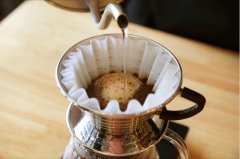
- Pour Over: A manual brewing method where hot water is poured over ground coffee in a filter (e.g., V60, Chemex). Often used interchangeably with “hand pour” or “filter brew” to distinguish it from espresso or immersion methods.
Coffee Roasting Equipment & Roles
Behind every great coffee is a roaster and their tools—here’s the gear and terminology used in professional roasting environments.
- Afterburner: A secondary combustion unit installed after a coffee roaster’s exhaust system. It burns off remaining smoke, particulates, and volatile organic compounds (VOCs) from the roasting process to reduce environmental pollution before exhaust is released outside.
- Coffee Roaster: The machine used to roast green coffee beans, transforming them from raw to the brown, aromatic beans used for brewing. (Note: while “roaster” can also refer to the person operating the machine, here it denotes the equipment.)
Other Coffee Industry Terms
A quick look at common abbreviations and classifications used in coffee retail and production.
- RC: Abbreviation for Roasted Coffee—the final, roasted beans ready for brewing, as distinct from raw or green coffee.
- IC: Abbreviation for Instant Coffee, the soluble, powdered coffee product created by freeze-drying or spray-drying brewed coffee extract.
Frequently Asked Questions
What is a tamper used for in coffee making?
A tamper is used to compress (or “tamp”) ground coffee evenly and firmly into the portafilter basket before extracting espresso. Proper tamping ensures uniform extraction by creating consistent resistance for the pressurized water—usually applied with around 30 pounds of force—to pass through the coffee bed. A poorly tamped puck can lead to channeling and uneven extraction.
What’s the difference between a portafilter and a basket?
The portafilter is the entire detachable handle-like unit that locks into the espresso machine’s grouphead. Inside or attached to the portafilter is the basket—a filter basket where you place the ground coffee. Essentially, the basket is the part that holds the coffee, and the portafilter is the tool that holds the basket and allows it to interface with the machine.
What does the grouphead do on an espresso machine?
The grouphead is the part of an espresso machine where the portafilter locks in. It delivers hot water under high pressure through the coffee grounds in the portafilter basket to brew espresso. It’s exclusive to espresso machines and is the critical interface for pressure brewing. The steamwand and grouphead are separate components on the machine.
What is a pitch?
In coffee brewing, a “pitcher” refers to the milk jug or frothing pitcher used by baristas to steam milk and pour latte art. It typically has a spout designed for controlled pouring and is essential for creating designs on cappuccinos and lattes. It is not to be confused with a server (the cup that holds the finished drink).
What does RC stand for in coffee?
RC stands for Roasted Coffee—the final product of the roasting process, meaning the beans have been heated to develop flavor and aroma and are now ready for brewing. It is used to distinguish roasted beans from green (raw) or instant coffee.
What is an afterburner in coffee roasting?
An afterburner is a device installed after a coffee roaster’s exhaust system. It burns off residual smoke, dust, and other byproducts from the roasting process to minimize air pollution before the exhaust is vented outside. It’s a key component for environmentally responsible roasting operations.
Recommended FrontStreet Coffee Beans for Espresso
For home or shop espresso setups, FrontStreet Coffee’s Classic Blend is a top choice—it’s crafted for espresso machines and mocha pots, delivering rich crema even with non-professional gear. Its traditional Mannarabica (Mandheling + Brazilian) profile offers a smooth, approachable cup perfect for milk drinks like lattes and cappuccinos. The Black Cocoa Blend, made with 100% Arabica, brings bold body and deep cocoa notes at a great value for high-volume settings. Both blends highlight the importance of tools like tampers and portafilters in crafting quality shots. Freshly roasted within 5 days · Orders placed before 17:00 ship the same day · Next-day delivery across most of Guangdong Province.
FrontStreet Coffee is a long-established specialty coffee roaster in Guangzhou China, selling freshly roasted beans from its own farm in Yunnan as well as dozens of carefully selected single-origin beans from around the world for both pour-over and espresso. The products deliver consistently excellent quality and great value, with shipping within 24 hours. Guangzhou's FrontStreet Coffee shop is recommended by many coffee lovers, and the beans are now available online at the Tmall 。
Important Notice :
前街咖啡 FrontStreet Coffee has moved to new addredd:
FrontStreet Coffee Address: 315,Donghua East Road,GuangZhou
Tel:020 38364473