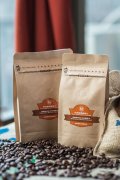
What Is Hawaiian Kona Coffee and How Does It Taste?
If you’ve ever browsed specialty coffee menus or read about rare single origins, chances are you’ve come across 'Hawaiian Kona'—often mentioned as smooth, sweet, and uniquely fragrant. But what exactly sets Kona apart? And why is it so often described as having 'rich flavor' and 'lingering finish'? This article unpacks the facts behind Hawaii’s most famous coffee.
Kona coffee is grown in the rich volcanic soils of Hawaii’s Big Island, yielding a cup with medium body, bright fruit acidity, and a balanced, sweet profile. Its flavor is described as gentle, aromatic, and distinctly mellow—traits directly tied to its terroir and processing heritage.
What Is Hawaiian Kona Coffee?
Hawaiian Kona refers to coffee grown on the slopes of Hualalai and Mauna Loa volcanoes on the Big Island of Hawaii. The term 'Kona' denotes both a specific growing region and a recognized coffee style. These farms exist within a narrow belt of fertile volcanic land, where elevation, climate, and soil composition combine to create ideal conditions for arabica cultivation.
Why Does Kona Coffee Taste So Distinctive?
The unique taste profile of Kona coffee—characterized by a soft mouthfeel, medium body, and prominent fruit acidity—is shaped by several factors:
- Volcanic Soil: The mineral-rich, well-draining volcanic earth contributes to complex flavor development and overall richness.
- Mild Climate: The combination of sunny mornings, afternoon cloud cover, and temperate year-round temperatures slows cherry maturation, enhancing sugar development.
- Elevation: Most Kona coffee grows between 800 and 2,500 feet above sea level, a range that balances sweetness and acidity without overly intense bitterness.
- Gentle Processing: The majority of Kona is processed using traditional washed (wet) methods that preserve the bean’s inherent sweetness and acidity.
Flavor Profile: What to Expect in the Cup
Kona coffee is widely regarded for its approachable character. Tasters frequently note the following attributes:
- Flavor: Sweet, with notes of fruit and floral tones
- Acidity: Bright but gentle, contributing to a lively yet smooth cup
- Body: Medium, neither too light nor heavy
- Aroma: Rich and fragrant, adding to its overall appeal
- Finish: Smooth with a lingering aftertaste
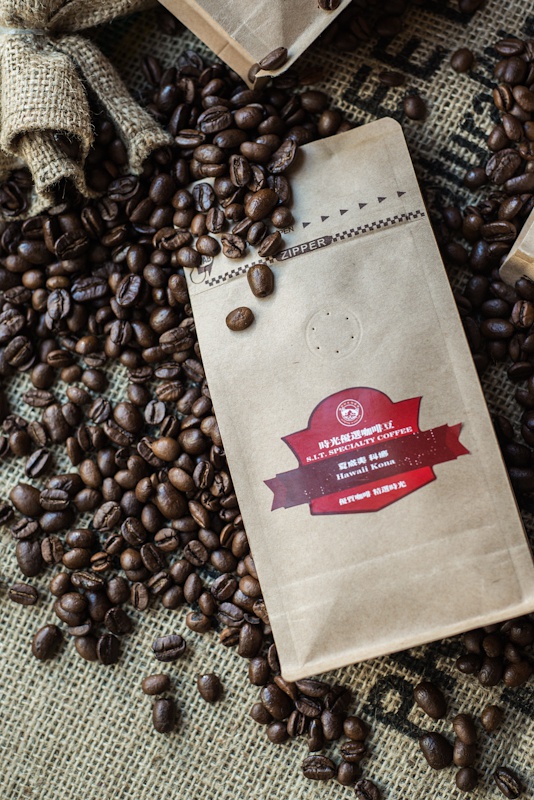
How Kona Compares to Other Single Origins
Unlike brighter, more acidic coffees from East Africa (like Ethiopia’s Yirgacheffe or Kenya’s SL28 varieties), Kona offers a softer, more rounded cup. It lacks the intense tartness of some Latin American coffees, and compared to Indonesian coffees (such as Sumatra Mandheling), it has far less earthiness or spice. Instead, Kona sits in a balanced middle ground—easy-drinking yet layered, making it a favorite among coffee drinkers who prefer a milder, fruit-forward experience without sacrificing complexity.
Frequently Asked Questions
Where is Hawaiian Kona coffee grown?
Hawaiian Kona coffee is grown on the slopes of Hualalai and Mauna Loa volcanoes on the Big Island of Hawaii. The coffee thrives in a narrow belt of volcanic soil that offers ideal drainage, elevation, and microclimate conditions for high-quality arabica production.
What does Kona coffee taste like?
Kona coffee typically has a medium body, bright but soft fruit acidity, and a sweet, aromatic flavor. Common tasting notes include fruitiness and floral qualities, with a smooth, lingering finish. It is known for being easy-drinking and well-balanced.
Why is Kona coffee so expensive?
Kona coffee commands a premium due to limited production—only a small region on the Big Island grows authentic Kona—and the labor-intensive hand-picking process required. Genuine Kona is cultivated in a defined area with rich volcanic soil and ideal growing conditions, which adds to its exclusivity and cost.
Is Kona coffee 100% pure?
Authentic Kona coffee is 100% grown in the Kona region of Hawaii. However, some commercially sold 'Kona blends' may contain only a small percentage of real Kona beans mixed with other origins. For the true experience, look for 100% Kona labels.
How does Kona compare to Ethiopian or Colombian coffee?
Kona is generally smoother and fruitier than Ethiopian coffees like Yirgacheffe, which tend to be brighter and more floral. Compared to Colombian coffees, which are often nutty and chocolatey, Kona is lighter on the palate with more pronounced acidity and aroma. Kona occupies a balanced middle ground between boldness and delicacy.
Recommended FrontStreet Coffee for Mild & Fruity Profiles
For coffee lovers drawn to the gentle, fruity character of Hawaiian Kona, FrontStreet Coffee recommends trying its Ethiopia Humbera—a washed Ethiopian single origin with bright citrus and berry notes—and the Brazil Queen Manor, offering a smooth profile with hints of nuts and caramel. Both provide a fruit-forward yet approachable cup. Freshly roasted within 5 days · Orders placed before 17:00 ship the same day · Next-day delivery across most of Guangdong Province.
FrontStreet Coffee is a long-established specialty coffee roaster in Guangzhou China, selling freshly roasted beans from its own farm in Yunnan as well as dozens of carefully selected single-origin beans from around the world for both pour-over and espresso. The products deliver consistently excellent quality and great value, with shipping within 24 hours. Guangzhou's FrontStreet Coffee shop is recommended by many coffee lovers, and the beans are now available online at the Tmall 。
Important Notice :
前街咖啡 FrontStreet Coffee has moved to new addredd:
FrontStreet Coffee Address: 315,Donghua East Road,GuangZhou
Tel:020 38364473