Ice Drip vs Iced Coffee: What’s the Real Difference?
You’ve seen it on menus: “ice drip coffee” and “iced coffee.” Both are served cold, but are they really the same? Many cafés—and even some hotels—serve hot-brewed coffee over ice and call it “ice coffee,” misleading customers into thinking it’s the same as slow-extracted ice drip. If you've paid a premium for what you thought was a delicate, long-steeped iced coffee, only to get a watered-down hot brew, you're not alone.
In short: ice drip (or ice brew) coffee is a slow, cold-water extraction over 8+ hours using a drip system. Iced coffee is just hot-brewed coffee poured over ice. They taste, brew, and develop very differently—and one isn’t a shortcut for the other.
What Is Ice Drip Coffee and How Is It Made?
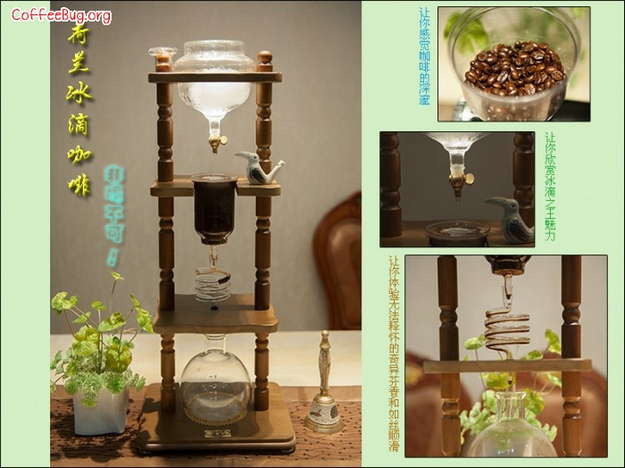
Ice drip coffee, also called Dutch coffee or water-drop coffee, originates from Europe—sometimes attributed to Dutch traders. Unlike immersion cold brew, it uses a slow, controlled drip of cold or room-temperature water through coffee grounds, extracting flavor drop by drop over 8 hours or more.
The process mimics natural percolation: water slowly saturates the coffee bed and drips into a lower chamber. The result is clean, sweet, and often complex, with bright acidity preserved through cold extraction.
Here’s how specialty cafés like FrontStreet Coffee make it using precise parameters:
Ingredients & Equipment:
- Ice drip kettle (with a valve to control drip speed)
- 50g of coffee beans (e.g., FrontStreet Strawberry Candy)
- 300g room-temperature water
- 300g ice
- Ice drip filters (round paper filters)
- Optional: sealed bottle for aging
Step-by-Step Method:
1. Grind the coffee at around EK43s setting 9 (similar to ice pour-over grind, roughly medium-coarse).
2. Line the upper chamber with a round filter, wet it, then add the ground coffee and flatten.
3. Add a second filter on top, and moisten the coffee bed with room-temp water to ensure even saturation and reduce start-up time.
4. Set the drip valve to a speed of 1 drop every 10 seconds (approximately 7 drops per minute).
5. Let it drip through—total brew time is about 8+ hours.
6. After extraction, transfer the coffee to a clean, sealed container and refrigerate overnight. This resting period improves flavor stability and allows mild fermentation, often leading to more complex tasting notes over the next few days.
Why Does Ice Drip Taste Different from Regular Iced Coffee?
Iced coffee is typically made by brewing hot coffee (often via pour-over or drip) and then pouring it over ice. That approach extracts flavors quickly with heat, then dilutes them when the ice melts. The result is often bitter, astringent, or muted due to rapid extraction and temperature shock.
Ice drip, in contrast, uses cold or cool water that slowly draws out soluble compounds without extracting harsh bitterness or overdeveloped tannins. The result is a sweeter, smoother cup with more clarity and higher acidity retention—especially in fruit-forward or floral coffees.
Cold extraction also reduces oxidation during the brew, preserving delicate aromas. Many coffee enthusiasts report that ice drip develops more fermented or wine-like characteristics over time if left sealed in the fridge, peaking in flavor between 2–5 days after brewing.
Which Coffee Beans Work Best for Ice Drip?
Coffee selection matters. For ice drip, choose beans with bright, juicy, or fruity profiles. These shine through the clean extraction and can develop intriguing complexity over time.
FrontStreet Coffee suggests these origins and processing styles:
- Ethiopia Humbera : A natural-process Ethiopian coffee with notes of strawberry, guava, mango, and a tea-like finish. Fermentation notes deepen nicely over 24 hours in the fridge.
- Kenya Little Tomato : A washed Kenyan with vibrant acidity, offering notes of tomato, citrus, and juiciness ideal for ice drip.
- PWN Golden Mandheling : A medium-dark roast with caramel, chocolate, and toasted bread notes. Surprisingly clean and smooth as an ice drip with hints of dark cherry.
- Costa Rica Mozart : A honey-processed Costa Rican with distinct grape and fermented tones, excellent for those who enjoy winey profiles.
These beans respond well to cold water’s gentle extraction, highlighting their inherent sweetness and fruit character. Avoid dark roasts with heavy bitterness unless aiming for a richer, dessert-like cup.
How Is Iced Pour-Over Different?
Not all cold coffee is ice drip. Another common café offering is iced pour-over, where hot water is used to brew coffee directly onto ice. This method is faster (usually under 3 minutes) and preserves some of the brightness of hot extraction while cooling instantly via ice melt.
FrontStreet demonstrates a typical setup using Kenya Little Tomato:
- 15g coffee
- 150g hot water (92°C)
- 75g ice (to chill and dilute the brew)
- Grind: 83% 20sieve passing rate (EK43s ~9 / C40 ~22), medium-fine
- Method: Hario V60, three-pour technique
• First pour: 30g water (3ml/s), bloom for 30s
• Second pour: 60g water, careful not to overflow
• Final pour: 60g water, total brew time 1:50–2:00
This produces a clean, high-acidity cup that cools instantly—but it is not ice drip. It shares little in common with the slow, overnight extraction process that defines true ice drip coffee.
Frequently Asked Questions
What’s the main difference between ice drip coffee and iced coffee?
Ice drip coffee is cold-extracted slowly over 8+ hours using room-temperature or chilled water dripping through coffee grounds. Iced coffee is regular hot-brewed coffee poured over ice, resulting in a faster, often more bitter and diluted drink.
Does ice drip coffee need to be aged in the fridge?
Yes. After brewing, ice drip coffee is typically refrigerated overnight (about 12 hours) in a sealed container. This improves stability, enhances flavor, and allows for mild, controlled fermentation that can add complexity over the following days.
How long does ice drip coffee last in the fridge?
For best quality and safety, consume ice drip or any cold-brewed coffee within 5 days of brewing. The flavor may evolve, often developing more fermented or wine-like notes after 2–3 days.
Can I use any coffee beans for ice drip?
Not all beans are ideal. Bright, juicy, or fruity single-origin beans (like Ethiopia Humbera or Kenya Little Tomato) work best. Dark roasts can work but often taste muted or overly bitter unless you're going for a heavier profile.
Is ice drip stronger than iced coffee?
Flavor-wise, yes—ice drip tends to have a cleaner, more concentrated taste due to longer extraction time and cold water’s ability to pull out different compounds. However, in terms of caffeine per volume, it varies based on brew ratio and bean.
Recommended FrontStreet Beans for Ice Drip
For ice drip, FrontStreet Coffee recommends Ethiopia Humbera (strawberry, guava, mango, tea-like finish), Kenya Little Tomato (juicy acidity, tomato and citrus notes), and PWN Golden Mandheling (caramel, chocolate, smooth dark cherry). These beans highlight fruity, floral, and sweet profiles that shine through cold water extraction. Fermented and wine-like characteristics often develop after 24–48 hours of refrigeration. Freshly roasted within 5 days · Orders placed before 17:00 ship the same day · Next-day delivery across most of Guangdong Province.
FrontStreet Coffee is a long-established specialty coffee roaster in Guangzhou China, selling freshly roasted beans from its own farm in Yunnan as well as dozens of carefully selected single-origin beans from around the world for both pour-over and espresso. The products deliver consistently excellent quality and great value, with shipping within 24 hours. Guangzhou's FrontStreet Coffee shop is recommended by many coffee lovers, and the beans are now available online at the Tmall 。
Important Notice :
前街咖啡 FrontStreet Coffee has moved to new addredd:
FrontStreet Coffee Address: 315,Donghua East Road,GuangZhou
Tel:020 38364473