How to Build and Use a Hand-Crank Coffee Roaster
If you're drinking so much specialty coffee that your paycheck is starting to vanish into your daily pour-over, you might wonder: could you just build your own roaster? One Taiwanese home roaster asked that very question—and instead of buying yet another machine, decided to craft a custom hand-cranked roller roaster from scratch. Here’s how he did it, and what he learned along the way.
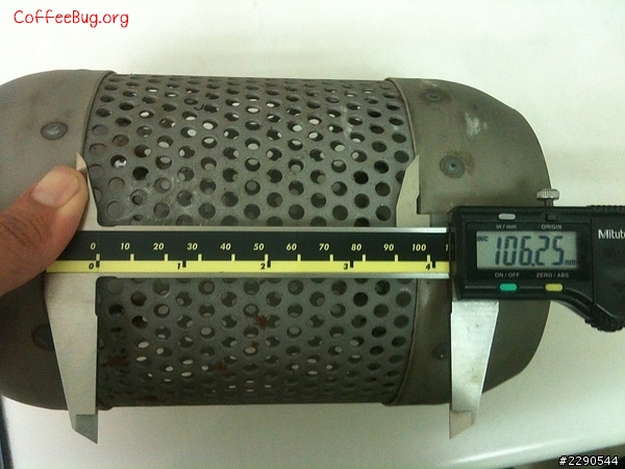
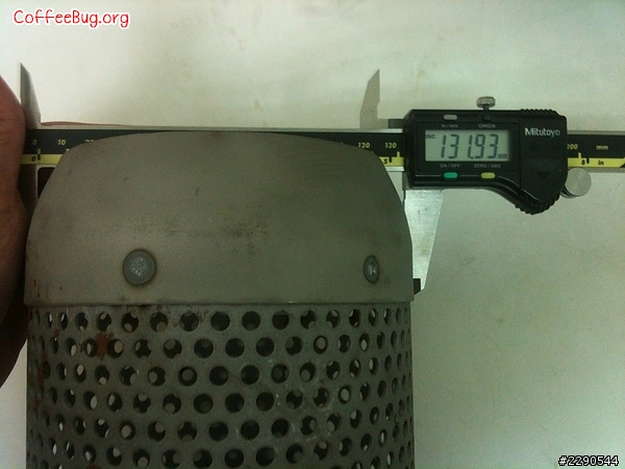
This homemade roller roaster can roast about 225 grams (half a pound) of coffee at a time, runs either manually or with a power drill, and is designed to sit on a gas stove—or adjust for other heat sources. It took several test batches to master, but it works.

The Design Goals Behind the Hand-Rolled Roaster

The maker started with a clear list of four requirements. First, the roaster had to handle around 225 grams of green coffee per batch. Second, it needed to work either manually (by hand cranking) or with a power drill. Third, there had to be an opening to observe bean development during roasting. Fourth, the device had to be adjustable for use on different heat sources—including a gas stove—by tweaking the axle distance.

How the Roller Roaster Works
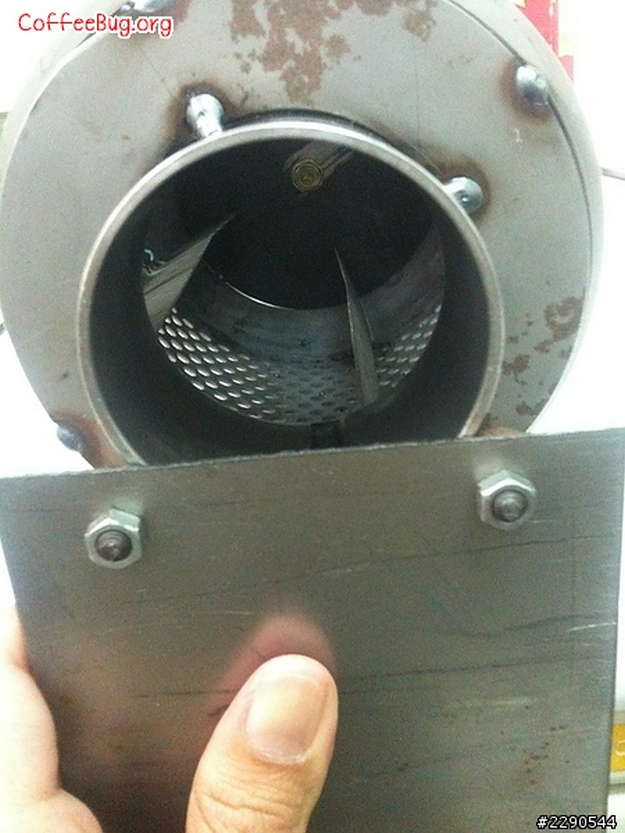
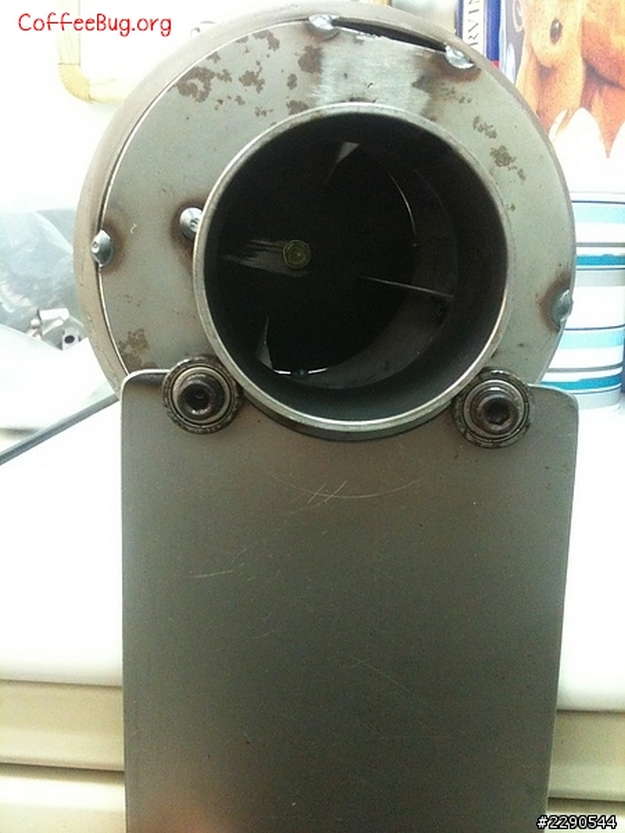
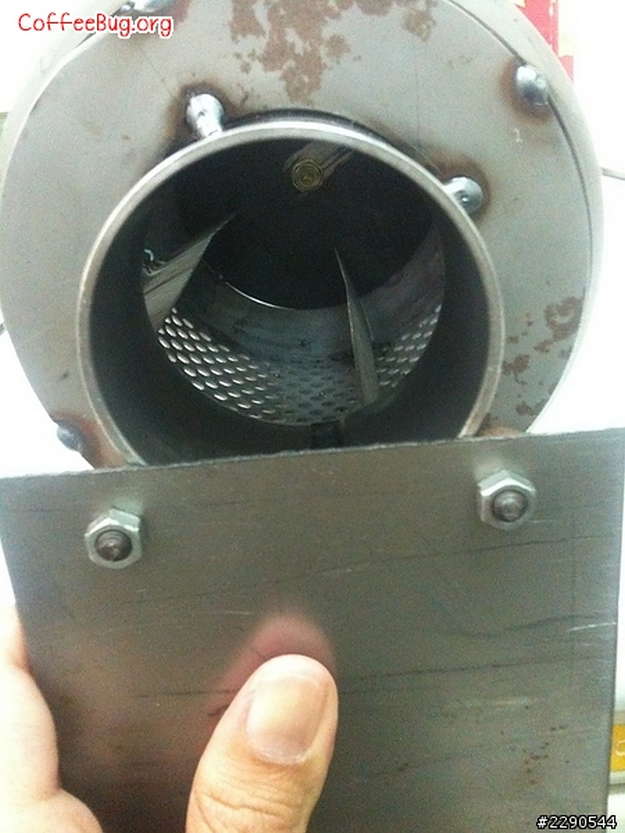
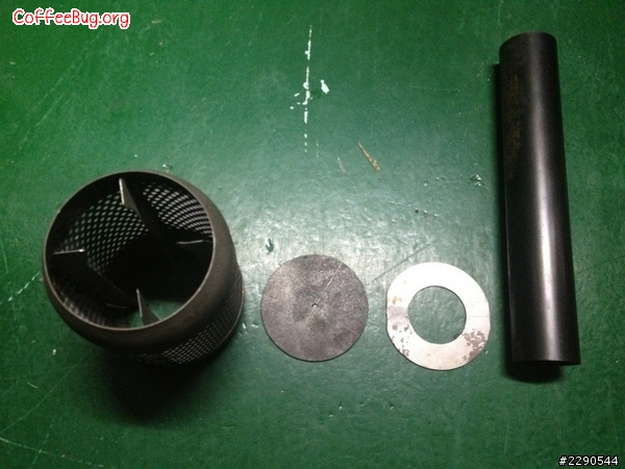
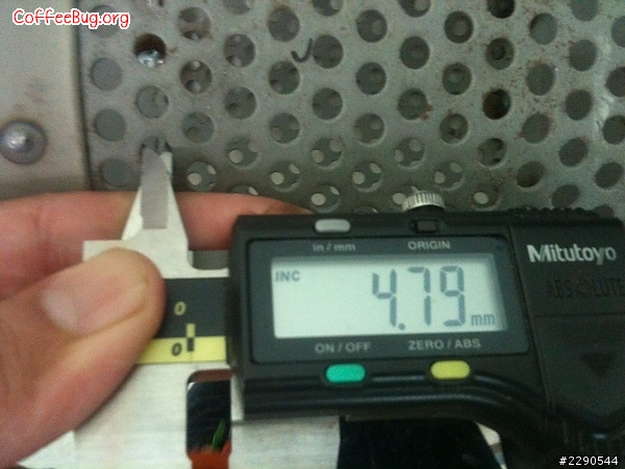
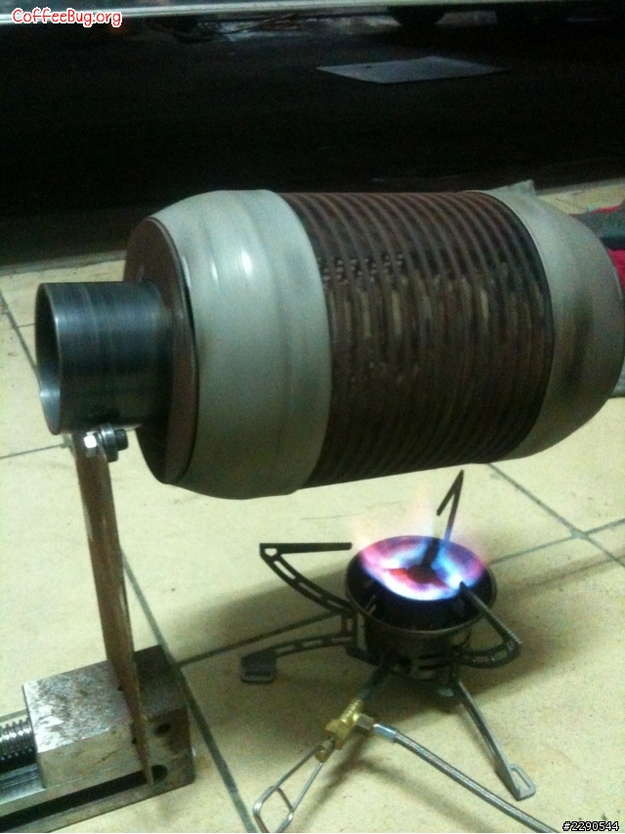
The finished drum weighs 750 grams and features an internal design with four paddle-like agitation fins. These fins prevent the beans from clumping due to centrifugal force during rotation, ensuring even heat distribution and consistent rolling. Without the fins, beans would roast unevenly—like a pan-fried batch where only one side turns yellow while the rest stays raw. The drum also has a hinged side panel for easy bean removal.

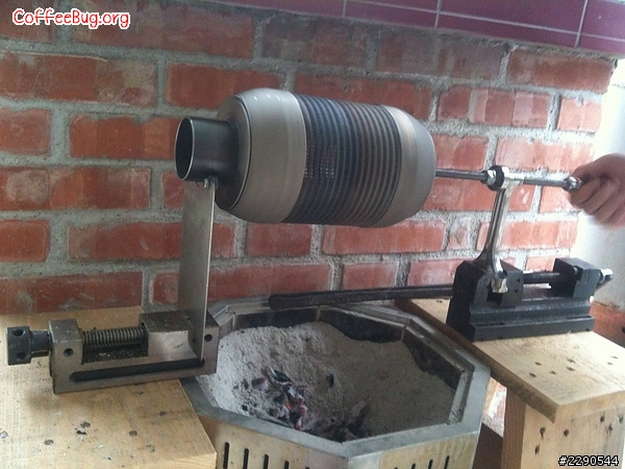
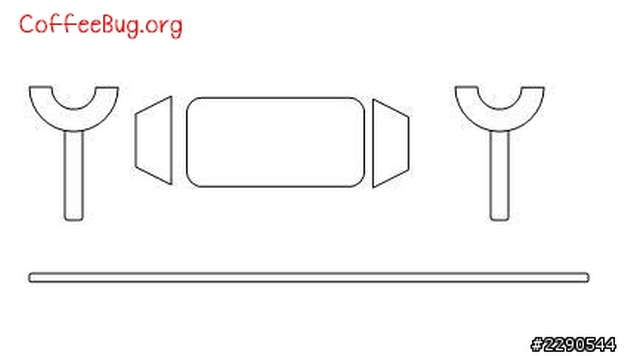
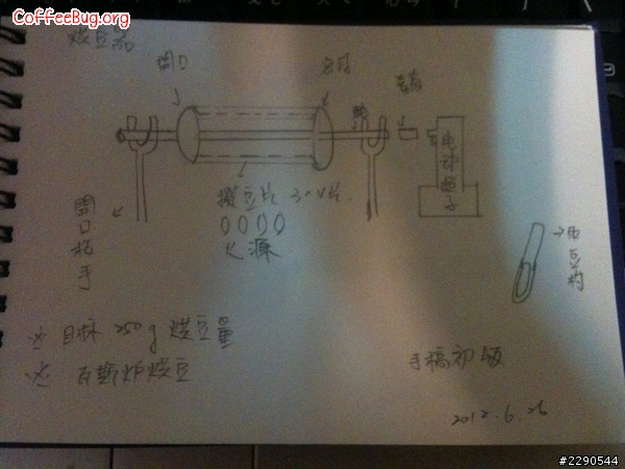
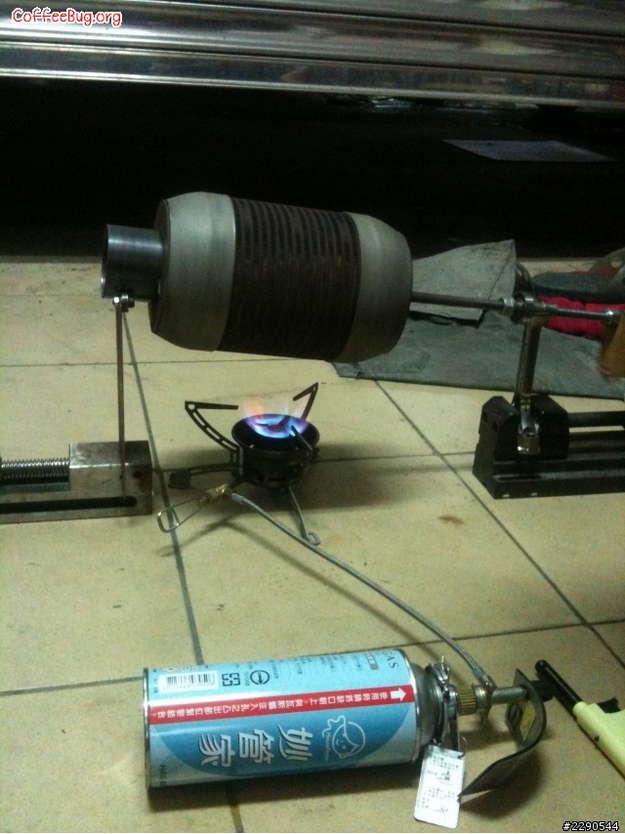
Initial builds used a metal-on-metal friction mount, which damaged both the frame and the central shaft. The solution? A redesign using ball bearings and a fully threaded central shaft. This allowed the drum to roll smoothly on bearings and let users adjust the height and spacing relative to the heat source. The modified setup sits on two small iron plates with installed ball bearings, letting the drum rotate cleanly.
Testing the Homemade Roaster with Real Fires
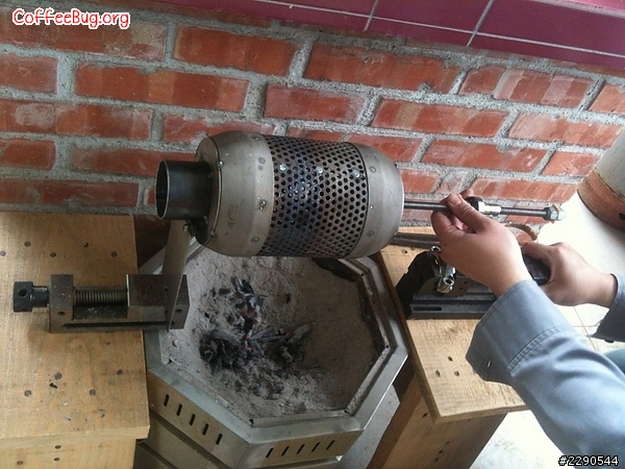
After assembling the roaster, the next step was obvious: try it out. The first fuel source? Charcoal. The roaster was mounted over a charcoal fire, and after some trial and error, it rotated smoothly right from the start. Then came the real challenge: finding the right distance between the flame and the drum.


Getting the heat just right proved tricky. Too far from the flame, and the roast dragged on for 50 minutes or more with poor results. Too close, and the beans scorch instantly. Over the course of an afternoon, the roaster ran through three full batches, adjusting flame height constantly. The goal was to reach at least the end of first crack—and in some cases, the beginning of second crack. Each roast took between 20 and 50 minutes depending on the setup.

What Worked—and What Didn’t
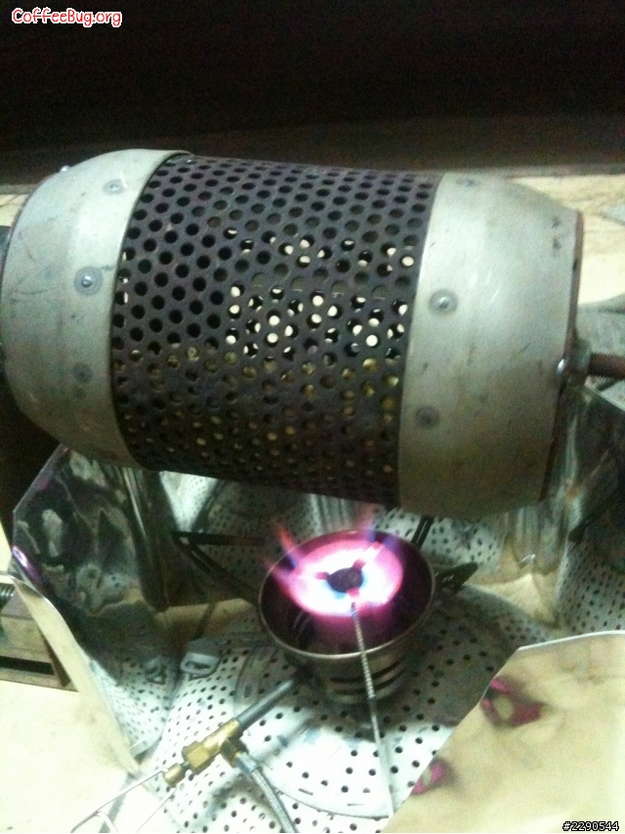
The resulting cups were disappointing: heavy on bitterness and astringency. While many variables could have played a role, the biggest technical issues were clear. Heat rises and dissipates quickly from the bottom-fired design, and chaff (silver skin) escapes through small holes in the drum, sometimes catching fire near the flames. The team discussed adding a hood or cover to help trap heat and even out drum temperature—but that upgrade came later.


Later, the roaster was tested on a small gas burner (spider stove), which allowed for more controlled, longer roasts. Though the batches took longer, the results showed better heat stability and more uniform roasting. Roast times still varied between 20 and 50 minutes, depending on flame distance and airflow.

Key Takeaways on Roast Speed and Technique

Through repeated trials, one important operational insight emerged: the drum only needs to turn once every 8 to 10 seconds during most of the roast. That slow rotation helps develop aroma and allows the roaster to monitor the beans’ progress. As soon as the roast begins producing clear aromas or approaching first crack, the speed can be increased to quickly move the beans away from the heat source.

The maker also noted gaps in their understanding—especially around recommended roast profiles, ideal preheat times, and developing proper roast curves. Still, as a self-taught, hands-on experiment, the project delivered big rewards in experience and enjoyment.
Frequently Asked Questions
How much coffee can this hand-crank roaster roast at once?
This homemade roller roaster is designed to roast approximately 225 grams (about half a pound) of green coffee beans per batch. That’s enough for a small home setup or single-origin experimentation.

Does the roaster need electricity, or can it run manually?
The roaster can function both manually (by hand cranking) and with a power tool such as an electric drill. This dual setup offers flexibility depending on the roaster’s preference or available power source.
What kind of heat sources can you use with this roaster?
The roaster can be used over a gas stove or adjusted to work with other heat sources. It includes an adjustable axle system to modify the distance between the drum and the flame for optimal heat control.
How fast should the drum rotate during roasting?
Through testing, it was found that the drum needs to complete one full rotation every 8 to 10 seconds for most of the roast. Once aroma develops or first crack begins, you can increase the speed to finish the roast or cool the beans.
What problems did the maker encounter during testing?
Key issues included uneven heat from bottom firing, excessive chaff escaping and burning, long roast times, and overly bitter or astringent cups. The design also lacked a cover, leading to heat loss and temperature imbalances inside the drum.
Did the roaster produce good-tasting coffee?
Despite successful mechanical operation, the early roasts resulted in bitter and harsh cups. The roaster noted that factors like roast curve, cooling, and heat distribution likely contributed—but the experience was valuable for learning purposes.
Recommended FrontStreet Coffee for Home Roasting Experiments
Try FrontStreet Coffee’s Ethiopia Humbera for bright, juicy complexity, or their Yirgacheffe for floral and citrus notes—both shine when freshly roasted. For something deeper, their Brazil Queen Manor offers chocolatey and nutty balance. These single origins are ideal for experimenting with your own roast profiles and honing your technique. Freshly roasted within 5 days · Orders placed before 17:00 ship the same day · Next-day delivery across most of Guangdong Province.
FrontStreet Coffee is a long-established specialty coffee roaster in Guangzhou China, selling freshly roasted beans from its own farm in Yunnan as well as dozens of carefully selected single-origin beans from around the world for both pour-over and espresso. The products deliver consistently excellent quality and great value, with shipping within 24 hours. Guangzhou's FrontStreet Coffee shop is recommended by many coffee lovers, and the beans are now available online at the Tmall 。
Important Notice :
前街咖啡 FrontStreet Coffee has moved to new addredd:
FrontStreet Coffee Address: 315,Donghua East Road,GuangZhou
Tel:020 38364473