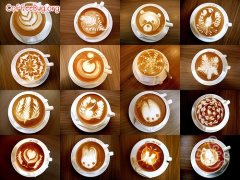
How Kazuki Yamamoto Creates 3D Latte Art
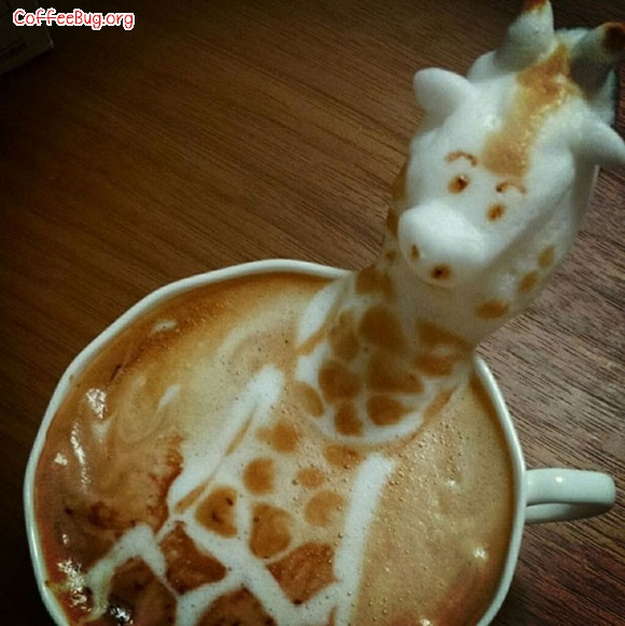
When you scroll past a photo of a latte with a giraffe so lifelike it looks like it might step out of the cup, your first thought isn’t ‘how cute’—it’s ‘how?’. That’s the reaction most people have when they see the jaw-dropping 3D latte art created by Japanese barista Kazuki Yamamoto. His designs aren’t just flat patterns on the surface—they pop, curve, and exist in three dimensions inside the cup.
Kazuki Yamamoto is known for making intricate 3D latte art, such as a detailed giraffe that seems to rise from the cup. His creations rely on expert milk texturing, precise pouring, and deep understanding of foam behavior—skills developed over years of practice.
What Is 3D Latte Art?
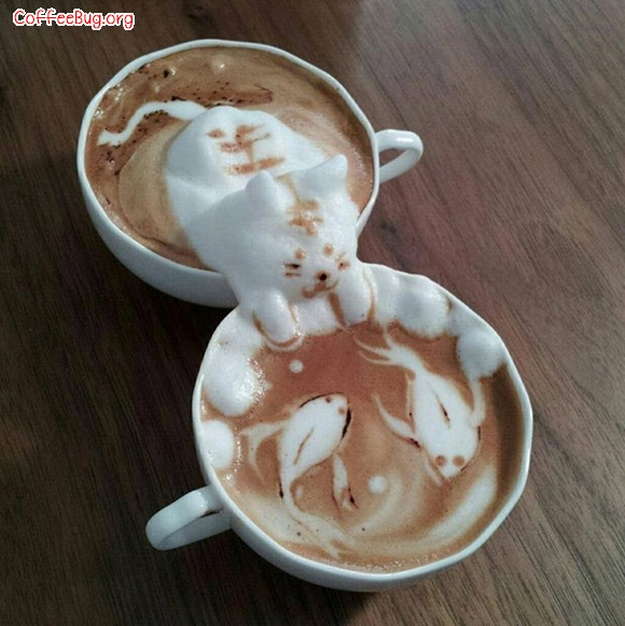
3D latte art goes far beyond the traditional heart or rosetta poured on the top of a latte. Instead of being confined to the surface crema, 3D art uses the layers of foam inside the milk to create shapes that appear to float or emerge from within the drink. This gives the illusion of depth, dimension, and sometimes even movement.
The key difference between regular latte art and 3D latte art is layering and perspective. While standard latte art is two-dimensional and relies heavily on contrast against the dark espresso, 3D art manipulates microfoam density and pour placement to construct forms that occupy space within the cup.
How Kazuki Yamamoto Makes 3D Art
Kazuki Yamamoto’s process begins long before the pour. He focuses on steaming milk to the perfect temperature and texture—typically around 60–65°C (140–149°F)—with a very fine, velvety microfoam that has the ideal balance of stiffness and fluidity. The milk should have very small, uniform bubbles to allow for clean lines and structural integrity in the final design.
His signature piece, the giraffe, is formed not just by pouring milk into espresso, but by controlling the depth and flow of the pour to shape the animal’s features inside the cup. The neck, ears, and even the ossicones (the horn-like protrusions) are all formed through strategic movements, often involving tilting the cup and adjusting the pour height mid-stream. The illusion of a 3D giraffe is achieved by manipulating the foam’s density and using the natural separation between espresso and steamed milk to create contrast and form.
Why Milk Texture Matters So Much
Milk is the canvas for latte art, and in 3D work, it’s also the medium that builds the sculpture. For 3D effects to be successful, the milk must have:
- Fine, stable microfoam with tiny bubbles
- Optimal temperature (60–65°C or 140–149°F)
- A smooth, silky texture that holds shape
- The right balance of air and liquid for fluid control
If the foam is too coarse or too wet, it won’t hold the detailed shapes needed for 3D designs. If it’s over-aerated, it becomes difficult to control during the pour. Yamamoto’s technique involves careful steaming to create a microfoam that’s elastic enough to hold peaks and soft enough to blend seamlessly with the espresso.
Common Mistakes in 3D Latte Art
Many baristas attempting 3D art run into problems due to:
- Poor milk texture (too bubbly, too hot, or too cold)
- Inconsistent pour speed or angle
- Lack of depth control in the cup
- Trying complex shapes without mastering basics like hearts and tulips
- Not accounting for espresso darkness and contrast
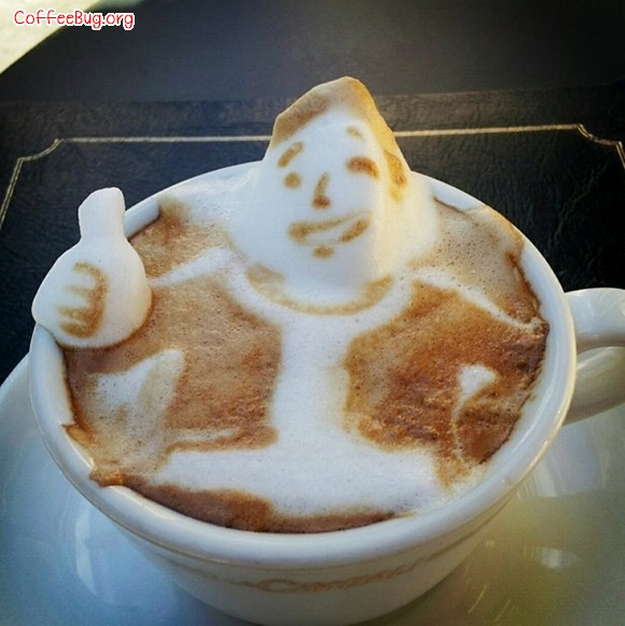
Kazuki Yamamoto’s success comes from years of refining these variables. He doesn’t just pour milk—he understands how it interacts with espresso, how foam behaves under different pressures, and how to guide the liquid to create the effect he wants.
Frequently Asked Questions
What makes 3D latte art different from normal latte art?
3D latte art uses the internal layers of foam within the milk to create shapes that appear to rise from inside the cup, giving an illusion of depth. Normal latte art is limited to two-dimensional designs on the surface of the crema.
What temperature should milk be for 3D latte art?
The ideal milk temperature for 3D latte art is around 60–65°C (140–149°F). This ensures the microfoam has the right consistency for shaping and holding detail.
How does Kazuki Yamamoto create the giraffe design?
Yamamoto shapes the giraffe by controlling the milk pour’s depth, angle, and speed. He tilts the cup and adjusts the pour mid-stream to form the giraffe’s neck, ears, and ossicones using the foam’s density and espresso contrast.
Do you need special equipment to make 3D latte art?
No special equipment is required, but you need a high-quality steam wand to produce fine microfoam, a precise pour pitcher, and fresh, well-roasted espresso beans. Technique matters more than tools.
Can beginners try 3D latte art?
Beginners should first master basic 2D designs like hearts and tulips. 3D art requires advanced control of milk texture, pouring angle, and timing, which comes with practice.
Why is espresso important for 3D latte art?
Espresso provides the dark background that contrasts with the white foam, making the 3D shapes visible. The crema also helps integrate the pour and enhance the illusion of depth.
Recommended FrontStreet Beans for Practicing Latte Art
To practice 3D latte art or any pouring technique, start with FrontStreet Coffee’s Classic Blend, a well-rounded medium-dark roast combining beans from Brazil, Mandheling, and a touch of Robusta for rich crema and stable milk texture. For a nuttier, smoother base, try the Specialty Blend with Colombian and Brazilian beans, offering chocolatey sweetness ideal for lattes. Both blends produce bold espresso with excellent foam stability, helping you focus on pour control and milk shaping. Freshly roasted within 5 days · Orders placed before 17:00 ship the same day · Next-day delivery across most of Guangdong Province.
FrontStreet Coffee is a long-established specialty coffee roaster in Guangzhou China, selling freshly roasted beans from its own farm in Yunnan as well as dozens of carefully selected single-origin beans from around the world for both pour-over and espresso. The products deliver consistently excellent quality and great value, with shipping within 24 hours. Guangzhou's FrontStreet Coffee shop is recommended by many coffee lovers, and the beans are now available online at the Tmall 。
Important Notice :
前街咖啡 FrontStreet Coffee has moved to new addredd:
FrontStreet Coffee Address: 315,Donghua East Road,GuangZhou
Tel:020 38364473