What Are the Different Coffee Tree Varieties?
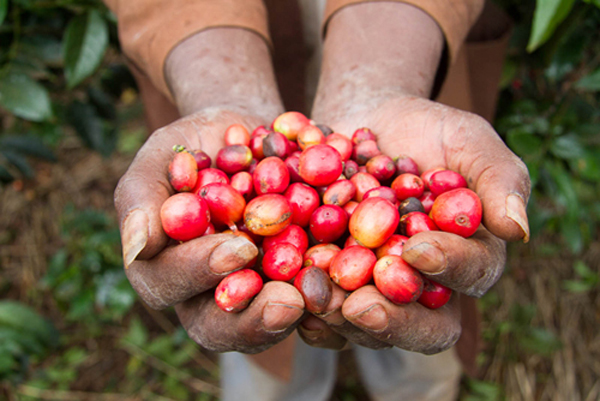
When you sip a pour-over or espresso, the beans you’re enjoying began as bright red cherries grown on a specific type of coffee tree. Just like apples or grapes, not all coffee trees are the same — and those genetic differences dramatically affect how your coffee tastes, how much it yields, and even how farmers grow it. So what are the major types of coffee trees, and why does it matter to you?
There are two primary commercial coffee species: Arabica and Robusta. Within Arabica alone, dozens of varieties exist, including historic types like Typica and Bourbon, rare mutants like Gesha and SL28, and hybrids such as Catimor and Pacamara. Each variety brings unique flavors, growth needs, and cup potential.
Arabica vs. Robusta: The Two Main Coffee Species
The coffee you drink is almost certainly Arabica — it accounts for around 60–70% of global production and is the foundation of specialty coffee. Arabica beans are known for their complex acidity, sweetness, and aromatic range. Robusta, on the other hand, makes up most of the remaining 30–40%. It has twice the caffeine of Arabica, a harsher, more bitter taste, and is largely excluded from the specialty market — though some washed Robustas from India and Africa are now challenging that boundary.
DR ILLY notes that 70% of coffee flavor comes from the tree variety, with the remaining 30% influenced by growing conditions. That means choosing the right variety is a major part of crafting great coffee.
Foundational Arabica Varieties: Typica and Bourbon
Two varieties form the genetic backbone of most Arabica coffees: Typica and Bourbon. Both originated in Ethiopia, the birthplace of coffee, and spread globally through colonization and trade.
Typica: The Elegant Original
Typica is one of the oldest and most elegant Arabica varieties, from which nearly all other Arabicas are derived. It produces a clean, sweet cup with bright acidity, but it’s highly susceptible to leaf rust and yields poorly, making it less economical. Its hallmark is bronze-tipped leaves. Famous Typica descendants include Mandheling, Blue Mountain, Elephant Bean (Maragogype), Kenyan varieties, Yirgacheffe, Ethiopia’s small round beans, and Gesha. Typica beans are larger and oval or pointed, unlike the rounder Bourbon.
Bourbon: The Round Bean Pioneer
Bourbon, equally ancient, was born when Typica was taken to Yemen and later planted on the island of Bourbon (now Réunion). Its beans are rounder than Typica’s. By 1715, French missionaries brought Yemeni Typica-like beans to Bourbon Island, creating the “round Bourbon” variant. It later spread to Brazil and the Americas. A 1732 British planting on St. Helena produced “Green-Tipped Bourbon,” showing that not all round beans came via Bourbon Island — a common misunderstanding. In the 1800s, a rare “Bourbon Pointu” mutation with half the caffeine appeared but remains extremely scarce. Bourbon, like Typica, performs best under shade.
Mutation Varieties & Regional Stars
Over time, natural mutations and selective breeding led to unique varieties with distinct flavors and growth traits. Many of these emerged in specific regions and adapted to local soils and climates.
SL28 & SL34: Kenya’s Acidic Powerhouses
Bred in Kenya during the early 1900s, SL28 and SL34 are Bourbon descendants that thrive in high-phosphate soils. They produce Kenya’s signature bright, complex acidity — a trait rarely replicated when grown elsewhere.
Gesha: The Late Bloomer Superstar
Gesha (also spelled Geisha) originated in Ethiopia’s Gesha Mountains but gained fame after being planted in Panama in the 1960s. It remained obscure for decades until it stunned the coffee world by winning Panama’s Best of Panama competitions in 2005–2007. With delicate floral and citrus notes, Gesha fetched $130 per pound at auction in 2007 — a record. It’s now a symbol of Ethiopia’s vast genetic diversity.
Yellow Bourbon: Brazil’s COE Darling
This Brazilian mutation of Bourbon ripens to a yellow color instead of red. It excels in both light and dark roasts and has dominated Brazil’s Cup of Excellence (COE) competitions in recent years, often taking top spots. It’s also a favorite for specialty espresso blends. Other yellow-fruited Arabicas include Yellow Caturra and Yellow Catuai.
Caturra: The High-Volume Workhorse
Discovered in Brazil during the 1950s, Caturra is a natural Bourbon mutation. It’s shorter than Bourbon, easier to harvest, and more productive — though it shares Bourbon’s biennial yield fluctuation. It adapts well to full sun (known as “sun coffee”) and high-density planting, though it requires more fertilizer. Caturra thrives at 700–1,700 meters, with higher altitudes producing better flavor at the cost of lower yield. It’s widely grown in Central and South America.
Pacas & Villa Sarchi: Salvadoran & Costa Rican Successes
Pacas, discovered in El Salvador in 1935, is a high-yielding Bourbon mutation that became a parent for many improved varieties. Villa Sarchi, found in Costa Rica during the 1960s, is another productive Bourbon offshoot that frequently appears in competition rankings.
Maragogype: The Giant Bean
Maragogype, or “Elephant Bean,” is a Typica mutation with beans at least three times larger than normal. Discovered in Brazil in 1870, it’s mainly grown in Mexico, Guatemala, Colombia, and the Dominican Republic. While low-altitude Maragogypes often lack flavor, higher-elevation examples can deliver gentle sweetness and acidity. However, its large size makes processing difficult, and its low yield discourages many farmers.
Arabica Hybrids: Combining Strengths
Breeders have created hybrids by crossing Arabica varieties to combine desirable traits like disease resistance, high yield, and good cup quality.
New World & Catuai: Productive Brazilians
New World is a natural cross between Bourbon and Sumatra Typica, known for high yield, disease resistance, and solid cup quality — though its tall trees make harvesting hard. Catuai is a cross of New World and Caturra, combining Caturra’s short stature with improved fruit retention. Red and yellow-fruited Catuai varieties exist, with red typically performing better in competitions. Catuai, Caturra, New World, and Bourbon are Brazil’s four main varieties.
Pacamara: The Big-Bean Specialty Favorite
Pacamara is a cross between Maragogype and Pacas. Though slightly smaller than Maragogype, its beans are still huge. Developed in El Salvador, it has won top awards in Honduras and Guatemala. It’s celebrated for its complex cup profile and is a staple in elite Salvadoran coffees.
Kent: India’s Reliable Type
Discovered in India, Kent is a high-yielding, disease-resistant Typica hybrid, though it hasn’t claimed major international awards.
Interspecific Hybrids: Arabica + Robusta
To boost disease resistance and yield, some varieties blend Arabica with the hardier but harsher Robusta species. These interspecific hybrids often sacrifice cup quality for resilience.
Timor & Catimor: Disease Fighters with Flavor Tradeoffs
Timor, found in East Timor, is a natural Arabica-Robusta hybrid with mostly Arabica chromosomes. It’s low in acidity but was used to create Catimor — a Robusta-infused variety bred in the 1950s for extreme disease resistance and high productivity. Catimor became vital during the 1970s–1990s leaf rust crises. Early versions needed shade and had poor cup quality, though newer generations (like Colombia, H528, and T5175) show improvement. Colombia is now a key variety in Colombia’s coffee industry, though it rarely wins cups. Most Catimor varieties perform better at mid-elevations and struggle at high altitudes compared to pure Arabicas.
Icatu, Ruiru 11 & Chandragiri: More Resilient Blends
Icatu is a multi-generation Brazilian hybrid with strong Arabica character and good disease resistance, often placing in Brazil’s COE rankings. Ruiru 11, developed in Kenya, prioritizes yield and rust resistance but has disappointing flavor. Chandragiri, from India, is a recent high-yield, rust-resistant hybrid with untapped cup potential.
Frequently Asked Questions
What are the two main coffee species?
The two main coffee species are Arabica and Robusta. Arabica makes up most specialty coffee and is valued for its complex flavors and moderate caffeine. Robusta has harsher taste, double the caffeine, and is mostly used in commercial or instant coffee — though some washed Robustas are entering the specialty market.
What are the most famous Arabica varieties?
Famous Arabica varieties include Typica (the elegant original), Bourbon (the round-bean classic), Gesha (the award-winning flavor powerhouse), Caturra (a high-yield workhorse), and Catuai (a sturdy Brazilian hybrid). Others like SL28 and SL34 (Kenya), Maragogype (the giant bean), and Pacamara (a Salvadoran favorite) are also well-known.
What’s the difference between Typica and Bourbon?
Typica and Bourbon are both foundational Arabica varieties from Ethiopia. Typica has an elegant, nuanced cup but is fragile and low-yielding. Bourbon has rounder beans, generally better cup stability, and higher yields, but shares Typica’s vulnerability to disease. Both perform best in shade.
Why is Gesha so famous?
Gesha (or Geisha) gained global fame after Panamanian farms won major awards with it in 2005–2007. It delivers delicate floral, citrus, and tropical notes and once fetched $130 per pound at auction. It originated in Ethiopia but thrived in Panama’s unique conditions, becoming a symbol of specialty coffee potential.
What are Catimor and its role in coffee farming?
Catimor is a hybrid of Arabica and Robusta (via the Timor variety) bred for high disease resistance and yield. It saved many farms during leaf rust outbreaks but often had poor cup quality. Newer Catimor generations (like Colombia and T5175) show better flavor, but it still usually lags behind pure Arabicas in cup competitions.
Which coffee varieties are best for high altitudes?
Varieties like Gesha, SL28, SL34, and certain Caturra or Bourbon types thrive at higher altitudes (1,200–2,000+ meters). They tend to develop more complex acidity and sweeter, cleaner flavors due to slower maturation. Maragogype can also perform well at altitude but is usually low-yield.
Recommended FrontStreet Beans for Variety Exploration
Explore coffee variety differences with FrontStreet’s Ethiopia Humbera, a high-altitude Gesha-like offering with jasmine and tropical fruit notes, and Yirgacheffe Gedeb, showcasing Typica-influenced brightness with lemon and bergamot. For Bourbon fans, try our washed Yirgacheffe — a balanced cup with berry and citrus highlights. All are expertly roasted to highlight their unique variety traits. Freshly roasted within 5 days · Orders placed before 17:00 ship the same day · Next-day delivery across most of Guangdong Province.
FrontStreet Coffee is a long-established specialty coffee roaster in Guangzhou China, selling freshly roasted beans from its own farm in Yunnan as well as dozens of carefully selected single-origin beans from around the world for both pour-over and espresso. The products deliver consistently excellent quality and great value, with shipping within 24 hours. Guangzhou's FrontStreet Coffee shop is recommended by many coffee lovers, and the beans are now available online at the Tmall 。
Important Notice :
前街咖啡 FrontStreet Coffee has moved to new addredd:
FrontStreet Coffee Address: 315,Donghua East Road,GuangZhou
Tel:020 38364473