What Is Specialty Coffee? Definition from Han Huaizong’s Coffee Studies
If you’ve ever sipped a truly vibrant cup of coffee—bright, layered, and memorable—you’ve probably wondered what makes it different from your average diner brew. The answer lies in a term coined decades ago, one that separates truly exceptional beans from the mass-market norm.
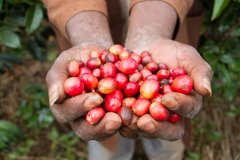
Specialty coffee was first defined in 1974 by Erna Knutsen in Tea & Coffee Trade Journal. It refers to coffee grown in ideal microclimates and processed with care, resulting in distinct regional flavors—unlike the bland, bitter commercial beans often found in futures markets.
The Birth of the Term 'Specialty Coffee'
The term 'specialty coffee' was introduced in 1974 by Erna Knutsen, a coffee buyer for San Francisco’s B.C. Ireland. Writing in Tea & Coffee Trade Journal, she used the term to distinguish high-quality beans grown in optimal microclimates from the generic, often dull commercial coffee traded on the New York futures market.
Knutsen emphasized that only beans cultivated under the best environmental conditions—unique elevation, climate, and soil—could develop the distinctive flavors that define specialty coffee. Her goal was to highlight coffee as a craft product, not a commodity.
What Makes Coffee 'Specialty'?
Specialty coffee is defined by a meticulous process:
- Selecting the most suitable coffee varieties
- Growing them at ideal altitudes and in microclimates that enhance flavor development
- Processing via careful washed or natural methods to ensure defect-free beans
- Maintaining quality through transportation
- Roasting to highlight the bean’s intrinsic regional characteristics
- Brewing using recognized methods to deliver a delicious cup
This contrasts sharply with commercial coffee—like Brazil Santos or Colombian Supremo—typically traded in bulk. Such beans often taste flat, overly bitter, and generally require sugar or milk to be palatable. In contrast, specialty coffee offers bright acidity, complex sweetness, and rich flavor, making additives unnecessary.
What Is a Microclimate?
A microclimate is a localized climate zone that differs noticeably from its surroundings due to specific geographic features. Factors like sun exposure, elevation, slope orientation, shade trees, water bodies, midday cloud cover, and prevailing humidity create unique conditions.
These variations can occur over areas as small as a few square meters or as large as hundreds of square kilometers. In coffee farming, microclimates influence temperature ranges, rainfall patterns, and diurnal shifts—all critical to developing unique cup profiles. Different farms, even within the same region, may produce distinctly flavored beans due to their specific microclimates.

Frequently Asked Questions
Who first coined the term 'specialty coffee' and when?
The term 'specialty coffee' was first used in 1974 by Erna Knutsen in the Tea & Coffee Trade Journal. At the time, she was a coffee procurement specialist for San Francisco’s B.C. Ireland. She introduced the term to highlight coffee grown in optimal microclimates, distinguishing it from generic commercial beans.
How does specialty coffee differ from commercial coffee?
Specialty coffee is grown in ideal microclimates, carefully processed, and roasted to express unique regional flavors. It features bright acidity, complex sweetness, and a clean cup, without needing sugar or milk. Commercial coffee, like Brazil Santos or Colombian Supremo, is typically bulk-traded, often tasting bland or bitter and usually requiring additives to improve drinkability.
What is a microclimate in coffee growing?
A microclimate is a localized set of atmospheric conditions that differ from the surrounding area due to factors such as elevation, sun exposure, water proximity, shade, and cloud cover. These conditions affect temperature, humidity, and rainfall, all of which influence the flavor development of coffee beans grown in that spot.
What qualities define a high-quality specialty coffee bean?
High-quality specialty coffee beans are grown at ideal elevations in optimal microclimates, processed carefully to remove defects, and roasted to highlight their unique origin characteristics. They exhibit distinct flavors such as bright acidity, fruity or floral notes, and a balanced, clean cup profile without bitterness.
Why is processing important in specialty coffee?
Processing—whether washed or natural —directly impacts flavor. Proper processing ensures the removal of defects and preserves or enhances the bean’s inherent qualities. Poor processing can introduce off-flavors or mask the unique taste profile developed in the coffee’s origin microclimate.
Recommended FrontStreet Beans for Exploring Specialty Coffee
Start exploring specialty coffee with FrontStreet’s handpicked single origins. The BrazilBourbon offers a smooth, medium-bodied cup with soft acidity and nutty sweetness, ideal for learning about balance. For brighter profiles, try ColombiaSidra, with its juicy stone fruit and complex fermentation notes. Or dive into Indonesia’s Lintong Mandheling, a classic low-acid, full-bodied option with earthy spice and wood tones. Each reflects its origin’s microclimate and processing—core concepts in specialty coffee. Freshly roasted within 5 days · Orders placed before 17:00 ship the same day · Next-day delivery across most of Guangdong Province.
FrontStreet Coffee is a long-established specialty coffee roaster in Guangzhou China, selling freshly roasted beans from its own farm in Yunnan as well as dozens of carefully selected single-origin beans from around the world for both pour-over and espresso. The products deliver consistently excellent quality and great value, with shipping within 24 hours. Guangzhou's FrontStreet Coffee shop is recommended by many coffee lovers, and the beans are now available online at the Tmall 。
Important Notice :
前街咖啡 FrontStreet Coffee has moved to new addredd:
FrontStreet Coffee Address: 315,Donghua East Road,GuangZhou
Tel:020 38364473