10 Key Factors When Buying Green Coffee Beans for Cafés
If you're buying green coffee beans for your café, you need to know what separates usable lots from problematic ones—before you sign the order. The seller may have graded the beans, but visual clues, handling details, and batch integrity still determine how those beans will roast and taste.
Here’s the shortlist: inspect bean size uniformity, processing batch traceability, drying methods, fermentation cleanliness, and physical defects. These 10 factors directly affect roast consistency and cup quality.
1. Uniform Bean Size and Color
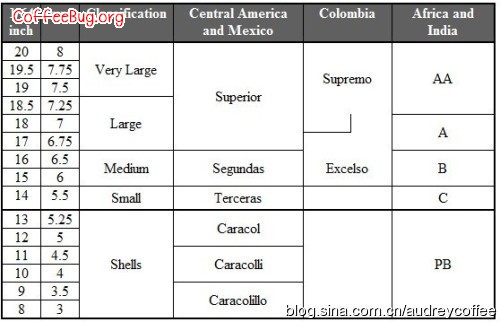
Look for beans that are similarly sized, shaped, and colored. A consistent lot means more even roasting. For example, separate 17/18 screen beans from 15/16 or 13/14 screens—mixing sizes leads to uneven development. Color variation often signals drying issues, while irregular shapes can indicate mixed varieties.
2. Batch Traceability by Origin and Variety
Coffee should be harvested, processed, and cupped in batches defined by growing region and tree variety. Only after separate evaluation should producers consider blending. This traceability helps maintain quality and allows targeted purchasing decisions.
3. Washed Arabica Bean Appearance
Washed Arabica beans must have a uniform, glossy exterior. Dull or uneven color often points to poor processing. Appearance matters: subpar beans rarely produce great-tasting coffee, no matter how they’re roasted.
4. Drying Process Details
Ask about the drying process. Well-dried beans reflect care in post-harvest handling. Avoid beans dried too quickly (often seen as brownish or blotchy) or unevenly (light/dark patches). Some farms sun-dry first, then finish in a dryer; others alternate to balance moisture. Ideal drying temperatures stay below 42°C. Poor drying affects both roast color and cup characteristics.
5. Immediate Post-Harvest Processing
Beans must go to the processing facility immediately after picking to avoid premature fermentation. Ask how they manage fermentation tanks: do they remove floaters? Do they sort beans by hardness? Quality-focused farms separate mucilage removal and washing steps. Combined processes can leave brownish stains—a red flag for compromised beans.
6. Fox Beans (‘’ Residue)
In Brazil, ‘Fox Beans’ (beans with clinging silvery skin) aren’t considered defects, though new sorters often mistake them for flaws. Gently rubbing removes the skin. Unripe beans retain silvery skin firmly—those can’t be cleaned this way. Fox Beans in washed lots may add brightness or Rio notes; taste, don’t assume.
7. Pink or Unusual Silvery Skin
Some beans show pinkish silvery skin—often overlooked in grading but potentially defective. These may pass as Specialty grade despite being flagged in cupping. Always cup these beans separately to assess defect severity.
8. Discoloration (Fading or Whitening)
Beans that look faded, white-edged, or dull often suffer from under-drying, high humidity, or poor storage. Oxidation, ground contact, or contamination causes this. Such beans usually taste flat or lifeless in the cup.
9. Smell Before Roasting
Sniff the beans. Over-fermentation or smoke contamination reveals itself here—these aromas may disappear after roasting, but the off-flavors remain. Trust your nose: a clean, fresh smell is a good sign.
10. Bean Hardness and Moisture Feel
Feel the beans. Overly crisp or glass-like beans are likely over-dried or roasted at too-high temperatures. Soft or rubbery beans are under-dried and prone to mold. Reject anything that doesn’t feel properly dry and firm.
Frequently Asked Questions
What does bean size uniformity mean for roasting?
Uniformly sized beans roast more evenly. Mixing small and large beans (like 13/14 with 17/18) leads to inconsistent roast levels, creating uneven flavors in the cup.
Why is batch traceability important when buying green coffee?
Traceability by origin and variety ensures quality consistency. Separately harvested and cupped batches help roasters understand and trust the coffee’s profile before blending.
How can I tell if beans were poorly dried?
Look for uneven color (brownish or blotchy), surface spotting, or dull appearance. These signs often indicate rapid or uneven drying, which hurts roast quality and cup flavor.
Are Fox Beans a defect?
Not officially. In washed coffees, Fox Beans (with clinging silvery skin) are common and can be removed by rubbing. They may add brightness or off-flavors—cup them separately to judge.
What does an overly crisp bean indicate?
Beans that feel like glass or are extremely brittle were likely dried too fast or at too high a temperature, risking roast defects and baked flavors.
Why should I sniff green beans before buying?
The smell reveals fermentation issues or contamination. Fresh, clean beans are ideal—foul or smoky aromas often mean defects that persist post-roast.
FrontStreet Beans Ideal for Café Sourcing
For cafés sourcing green beans, try FrontStreet’s Ethiopia Yirgacheffe—renowned for its bright acidity and floral notes, perfect for showcasing washed processing. Pair it with FrontStreet’s Colombia Huila for a balanced, medium-bodied option with citrus and caramel undertones. Both are typical single-origin lots with traceable processing, ideal for exploring the factors outlined in this guide. Freshly roasted within 5 days · Orders placed before 17:00 ship the same day · Next-day delivery across most of Guangdong Province.
FrontStreet Coffee is a long-established specialty coffee roaster in Guangzhou China, selling freshly roasted beans from its own farm in Yunnan as well as dozens of carefully selected single-origin beans from around the world for both pour-over and espresso. The products deliver consistently excellent quality and great value, with shipping within 24 hours. Guangzhou's FrontStreet Coffee shop is recommended by many coffee lovers, and the beans are now available online at the Tmall 。
Important Notice :
前街咖啡 FrontStreet Coffee has moved to new addredd:
FrontStreet Coffee Address: 315,Donghua East Road,GuangZhou
Tel:020 38364473