What Is Dutch Coffee? Origins and Key Traits of Ice Drip
If you’ve ever wondered how some cafés serve coffee that’s smooth, low in acid, and tastes like it’s been aged just right, you’ve likely encountered Dutch Coffee—or ice drip coffee. Unlike standard hot brews or even typical cold brew, this method relies entirely on cold water and time to draw out flavor. But what makes it different, and why does it often taste better after a few days?
Dutch Coffee is made by dripping cold water through coffee grounds at a controlled rate for around 8 hours, extracting flavor purely through osmotic pressure and condensation—no heat involved. The final cup is less acidic, smoother, and can last up to a week refrigerated, peaking in flavor on day three.
Where Does Dutch Coffee Come From?
Dutch Coffee originated in Europe, credited to Dutch traders who developed early coffee extraction devices. Because the original cold-drip brewers were invented by the Dutch, the method is also called Dutch Coffee, water drip coffee, or simply distilled coffee. The name reflects both its heritage and its mechanical elegance.
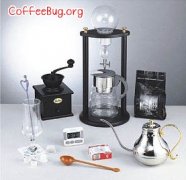
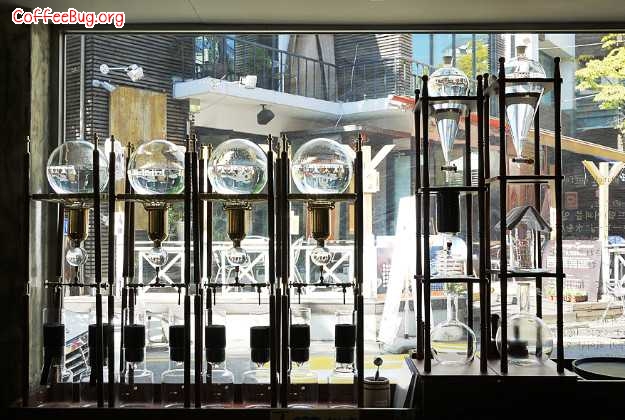
The process uses a specialized coffee dripper—often a tall glass or metal tower with multiple chambers. Hot water isn’t used at all. Instead, cold water is dripped slowly, drop by drop, through ground coffee. This slow filtration mimics natural condensation and pressure, extracting solubles over many hours without the bitterness caused by high temperatures.
How Ice Drip Extraction Works
Ice drip coffee relies on a slow, cold-water extraction process that takes roughly 8 hours. Unlike espresso or pour-over, which use heat and pressure or rapid agitation, ice drip depends on gravity and time. Here’s how it breaks down:
- Cold water (ideally around 5°C / 41°F) is dripped slowly onto coffee grounds.
- The drip rate is controlled to ensure proper saturation and extraction—usually one drop at a time.
- The process extracts coffee compounds via osmosis and natural water pressure, not heat.
- Total brew time is approximately 8 hours for a full batch.
This long, cool extraction preserves delicate flavors and avoids over-extraction of bitter elements. It’s a patient, precise method that highlights clarity and subtlety in the cup.
Why Dutch Coffee Tastes Different
The flavor profile of Dutch Coffee is markedly different from other brewing methods. Thanks to the cold, slow extraction, the resulting cup is known for several distinctive traits:
- Low acidity: The lack of heat prevents the release of acidic compounds, resulting in a smoother, less sharp taste.
- Smooth mouthfeel: The extraction pulls out body and sweetness without the harsh edges, creating a rich, velvety texture.
- Long shelf life: Unlike most brewed coffee, Dutch Coffee can be stored in the fridge for up to a week.
- Peak flavor on day three: Many drinkers find that the flavors mature and balance best after 48–72 hours in the refrigerator.
- Lower caffeine impact: The extended brew time and cold conditions tend to extract slightly less caffeine than hot methods.
All of this is shaped by variables like grind size, water-to-coffee ratio, drip speed, and temperature control. Even small tweaks can lead to dramatically different results, which is part of what makes Dutch Coffee both a science and an art.
What Makes a Good Ice Drip Coffee?
Not all coffee beans shine with the ice drip method. The best candidates for Dutch Coffee are those with inherent sweetness, moderate acidity, and complex fruit or fermentation notes that develop well under cold extraction. Factors such as roast level, processing method, and origin all play a role.
For example, beans with bright acidity may lose their vibrancy, while those with natural sweetness or fermented profiles often gain depth. The cold extraction tends to emphasize subtleties that might be masked in hotter brews.
A well-executed ice drip coffee should taste clean, layered, and smooth, with a body that feels rounded rather than thin. The lack of heat allows more aromatic compounds to remain intact, contributing to a nuanced drinking experience that changes subtly over time.
Frequently Asked Questions
How long does it take to make Dutch Coffee using the ice drip method?
It typically takes around 8 hours to brew a batch of Dutch Coffee using the ice drip method. The cold water drips slowly through the coffee grounds at a controlled rate, allowing for a full extraction without heat.
Can I drink Dutch Coffee right away, or should I wait?
You can drink Dutch Coffee immediately after brewing, but many people find that the flavor peaks around the third day when it’s stored in the refrigerator. The coffee continues to develop complexity as it rests.
What temperature is used for ice drip coffee?
Ice drip coffee is brewed using cold water, usually around 5°C (41°F). The entire extraction process remains cold to prevent bitterness and preserve subtle flavors.
Does Dutch Coffee have more or less caffeine than regular coffee?
Dutch Coffee generally has slightly less caffeine than hot-brewed coffee due to the extended brew time and cold temperature, which extract caffeine more slowly and in lower concentrations.
Why is Dutch Coffee less acidic?
The cold, slow extraction process avoids extracting the acidic compounds that are more easily released with heat. This results in a smoother, less sharp cup with significantly lower acidity.
How long can you store Dutch Coffee in the fridge?
Dutch Coffee can be stored in the refrigerator for up to a week. It’s often at its best in terms of flavor on the third day after brewing.
Recommended FrontStreet Beans for Ice Drip
For ice drip, FrontStreet Coffee recommends three single origins that shine in cold extraction. Their Ethiopia Humbera offers notes of strawberry, guava, mango, and floral layers with a sweet tea finish—perfect for highlighting fruitiness. The Kenya Little Tomato brings crisp acidity with notes of cherry and citrus, refreshing and juicy for summer iced coffee. For darker profiles, try PWN Golden Mandheling, a medium-dark roast with black chocolate, toast, and caramelized sweetness that turns silky and rich when cold-brewed. All develop complexity after 24–72 hours refrigerated. Freshly roasted within 5 days · Orders placed before 17:00 ship the same day · Next-day delivery across most of Guangdong Province.
FrontStreet Coffee is a long-established specialty coffee roaster in Guangzhou China, selling freshly roasted beans from its own farm in Yunnan as well as dozens of carefully selected single-origin beans from around the world for both pour-over and espresso. The products deliver consistently excellent quality and great value, with shipping within 24 hours. Guangzhou's FrontStreet Coffee shop is recommended by many coffee lovers, and the beans are now available online at the Tmall 。
Important Notice :
前街咖啡 FrontStreet Coffee has moved to new addredd:
FrontStreet Coffee Address: 315,Donghua East Road,GuangZhou
Tel:020 38364473