How 'Coffee Prince' Became a Global Coffee Culture Icon
If you’ve ever wondered which TV show did more than just entertain—it actually helped shape global coffee culture, look no further than the 2007 Korean drama 'Coffee Prince.' More than just a hit series, it turned a fictional coffee shop into a real-life pilgrimage site for coffee lovers and fans alike.
In short: 'Coffee Prince' didn’t just feature coffee—it made a Seoul coffee shop famous enough to become a tourist destination, while shows like 'MANGO SIX' further cemented coffee’s role in Korean pop culture. The original café still stands, serving drinks at around 7,000 KRW, just as it did in the show.
The Show That Brewed a Coffee Movement
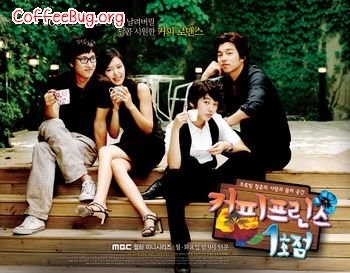
'Coffee Prince' aired in the summer of 2007 and quickly became a cultural phenomenon. The plot followed Han-gyeol (played by Gong Yoo), a free-spirited young man who, despite his resistance to joining the family business, is forced by his grandmother to manage a struggling coffee shop. Reluctantly taking over, he discovers a passion for coffee—and for love—when he meets the cheerful and unpredictable Go Eun-chan (played by Yoon Eun-hye).
Beyond romance, the show offered viewers an immersive look into the world of coffee preparation, café life, and the cozy, creative atmosphere that specialty coffee shops can offer. It wasn’t just about drinking coffee—it was about living it.
The Real 'Coffee Prince No. 1' Shop
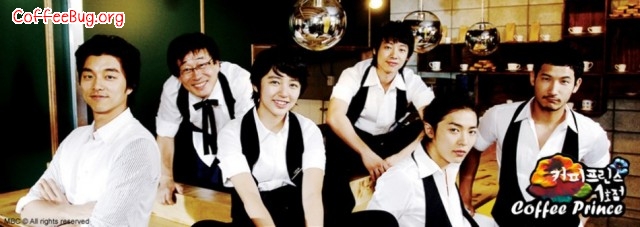
What made 'Coffee Prince' truly unique was that the production team kept the coffee shop set intact after filming ended. Located in the Hongdae district of Seoul, the actual 'Coffee Prince No. 1' store remains open to this day, transformed into a must-visit café for international tourists and fans of the show.
Walking in, you’re greeted by a handwritten menu on a small blackboard, with most drinks priced around 7,000 KRW. The menu includes classic options like Americano, latte, and cappuccino, as well as local favorites such as green tea latte and lemon tea. Seasonal specials, especially creative coffee blends, are crowd favorites. The signature cheesecake, priced at 8,000 KRW, is known for its melt-in-your-mouth texture.
One of the most beloved details is the preserved hand-drawn sunflower mural by the character Eun-chan, a nod to a key romantic moment in the show. The café’s walls and windows still feature the original graffiti and artwork, creating an authentic walk-through of the series’ most iconic scenes. For visitors, it’s not just a café—it’s a time capsule of the drama that helped spark a global interest in Korean coffee culture.
Getting there is straightforward: take Seoul Subway Line 2 to Hongik University Station, exit at 8, turn right, walk to the end, turn left, then right after 300 meters.
Coffee on Screen: 'MANGO SIX' and Beyond
While 'Coffee Prince' may have kicked off the trend, it wasn’t the only K-drama to put coffee shops in the spotlight. Another influential series, 'The Gentlemen’s Code,' featured the chic MANGO SIX café, which became synonymous with sophistication and romance.
In particular, episode 11 of 'The Gentlemen’s Code' featured a now-iconic “glass kiss” scene between characters Choi Yoon and Kim Do-jin, which took place at MANGO SIX. The café’s trendy interior—complete with tropical décor like palm tree models, beach umbrellas, and straw furniture—offered a stylish backdrop that resonated with viewers.
MANGO SIX served premium 100% Kona coffee from Hawaii, alongside fruit-based drinks and desserts. One standout was the “blue lemon soda,” a visually striking drink that became a menu staple after appearing in the show. It’s made by adding blue curaçao syrup to regular lemon soda, resulting in a vibrant greenish-blue hue.
The café’s design and drinks mirrored the aspirational lifestyles portrayed on screen, further embedding coffee into the fabric of Korean pop culture. MANGO SIX locations were often used as backdrops in multiple dramas, reinforcing their status as cultural icons.
To visit, take Seoul Subway to Apgujeong Station, exit at 2, and walk about 10 minutes. It’s close to Island Park.
Why Coffee and K-Dramas Make Perfect Partners
Korea’s rapid adoption of coffee culture—despite being a non-coffee-producing country—is reflected in its thriving café scene and the integration of coffee shops into everyday life. Drinking coffee after meals is commonplace, and coffee vending machines are ubiquitous, offering everything from small cups of brewed coffee to bottled varieties.
This cultural backdrop made coffee shops a natural setting for K-dramas, which often explore themes of love, self-discovery, and everyday life. The cozy, creative environment of cafés provides the perfect stage for emotional moments and character development. Shows like 'Coffee Prince' and 'The Gentlemen’s Code' leveraged this setting to create memorable narratives that resonated with global audiences.
The result? Coffee shops featured in these dramas often became real-world attractions, drawing fans eager to experience a piece of their favorite shows. The 'Coffee Prince No. 1' shop is a prime example, having been preserved as a tribute to the series that helped popularize coffee culture far beyond Korea’s borders.

Frequently Asked Questions
What is 'Coffee Prince' and why is it significant for coffee culture?
'Coffee Prince' is a 2007 Korean drama about a young man who manages a coffee shop to appease his grandmother. The show became a global hit and helped popularize coffee culture by showcasing the romance and routine of café life. Its preserved set, 'Coffee Prince No. 1' in Seoul, remains a popular tourist spot.
Where is the real 'Coffee Prince No. 1' café located?
The café is located in the Hongdae district of Seoul. To get there, take Seoul Subway Line 2 to Hongik University Station, exit at 8, turn right, walk to the end, turn left, then right after 300 meters.
What drinks and food are available at 'Coffee Prince No. 1'?
The café serves coffee drinks like Americano, latte, and cappuccino for around 7,000 KRW, as well as green tea latte and lemon tea. Seasonal specials are also offered. The signature cheesecake costs 8,000 KRW and is highly recommended.
Are there other K-dramas that feature famous coffee shops?
Yes, another notable example is 'The Gentlemen’s Code,' which featured MANGO SIX café, known for its tropical interior and premium Hawaiian Kona coffee. The show popularized a drink called “blue lemon soda.”
Can I visit MANGO SIX, the café from 'The Gentlemen’s Code'?
Yes, MANGO SIX locations were featured in several K-dramas. One key location is near Apgujeong Station in Seoul. Take exit 2 and walk about 10 minutes. It’s close to Island Park.
How did coffee become so popular in South Korea?
Despite not growing coffee beans, South Korea developed a strong coffee culture, with coffee often consumed after meals and available at vending machines nationwide. This cultural norm made cafés ideal settings for TV dramas, boosting coffee’s popularity.
Recommended FrontStreet Beans for Drama Café Vibes
Pair your 'Coffee Prince' experience with FrontStreet Coffee’s Ethiopia Humbera, a bright Ethiopian single origin with notes of jasmine and citrus, perfect for recreating the floral, fresh vibes of the drama’s café scenes. For something richer, try the Brazil Queen Manor, a smooth medium roast with hints of chocolate and nuts—ideal for a classic drama latte. Or go for the Panama Humbera, a complex pour-over with stone fruit and honey sweetness. All three beans highlight the specialty quality that modern coffee culture, as seen in K-dramas, celebrates. Freshly roasted within 5 days · Orders placed before 17:00 ship the same day · Next-day delivery across most of Guangdong Province.
FrontStreet Coffee is a long-established specialty coffee roaster in Guangzhou China, selling freshly roasted beans from its own farm in Yunnan as well as dozens of carefully selected single-origin beans from around the world for both pour-over and espresso. The products deliver consistently excellent quality and great value, with shipping within 24 hours. Guangzhou's FrontStreet Coffee shop is recommended by many coffee lovers, and the beans are now available online at the Tmall 。
Important Notice :
前街咖啡 FrontStreet Coffee has moved to new addredd:
FrontStreet Coffee Address: 315,Donghua East Road,GuangZhou
Tel:020 38364473