Five Peaberry Coffee Beans Compared Across Countries
Ever wonder what sets peaberry coffee apart? These rare, rounded beans form when a coffee cherry produces just one seed instead of two—typically yielding a denser, more concentrated cup. We compared five single-origin peaberries from Costa Rica, Sumatra (Mandheling), Tanzania, Mexico, and Hawaii (Kona) roasted and brewed identically to isolate their true flavor profiles.
Out of five peaberry coffees tested, the Hawaii Kona stood out as the most vibrant and approachable, with bright fruit acidity, floral and winey notes, and a clean finish. The Mexico peaberry was the smoothest and easiest drinking, while the Sumatra Mandheling showed intense spice and herbal complexity. The Tanzania offered rich sweetness and chocolatey bitterness, and the Costa Rica had mild, nutty flavors with a slight paper pulp defect.
What Is a Peaberry Coffee Bean?
A peaberry—also called a caracolillo—is a natural mutation where a single round seed forms inside the coffee cherry instead of the usual two flat beans. This occurs in 5–10% of all coffee cherries, often at the top of younger trees. Because the single bean absorbs all the nutrients, peaberries may develop more intense flavors. They also roast more evenly due to their round shape, and their rarity often makes them more expensive than regular flat beans. However, quality varies—peaberries can be exceptional or defective, just like any other coffee.
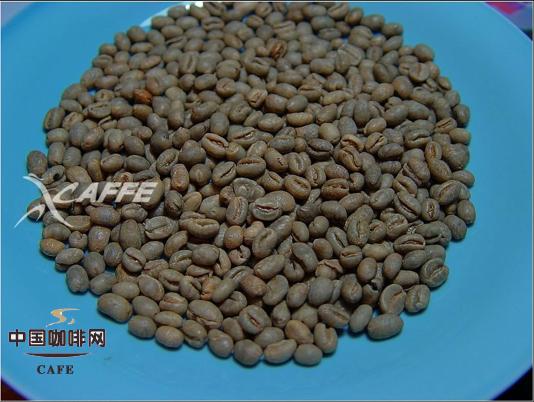
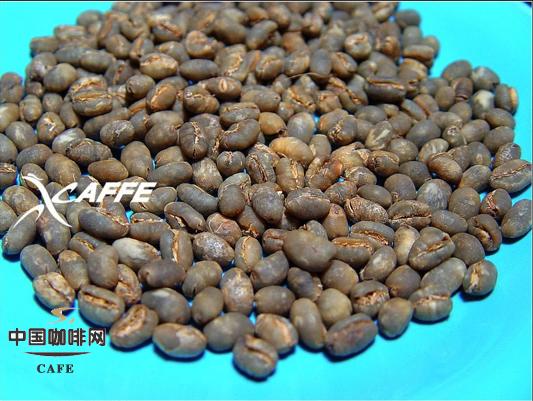
The Five Peaberry Coffees Compared
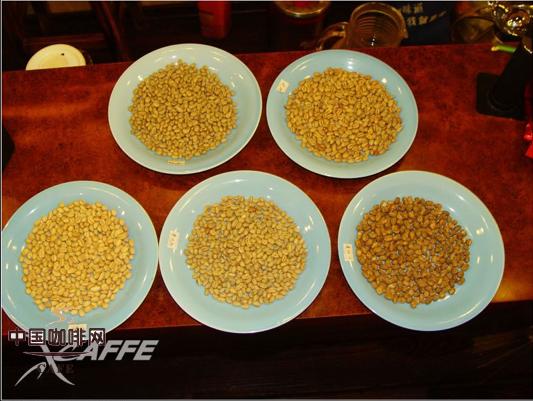
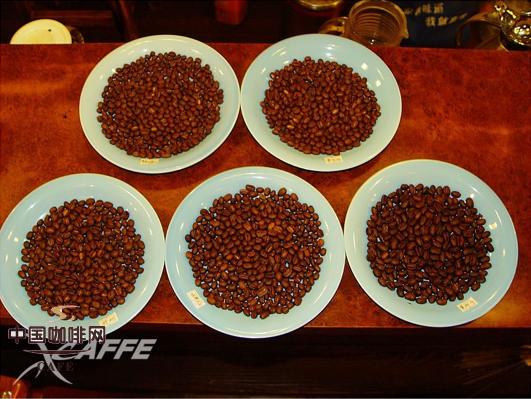
We selected five single-origin peaberry lots, all roasted by FrontStreet Coffee to roughly the same medium level—first crack ending—with the goal of highlighting their inherent characteristics. The beans were:
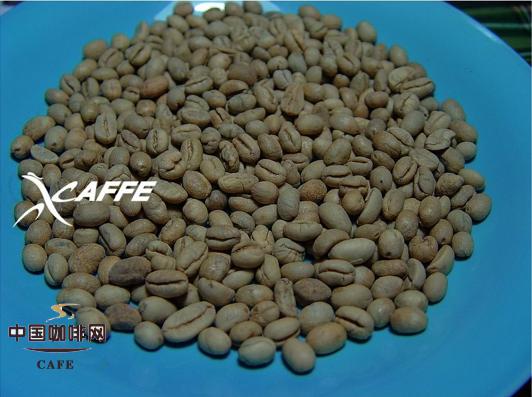
- Costa Rica Peaberry (smallest in size)
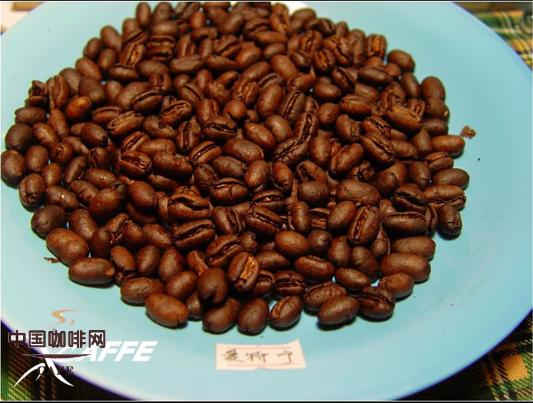
- Sumatra Mandheling Peaberry (notably large, bold, and herbal)
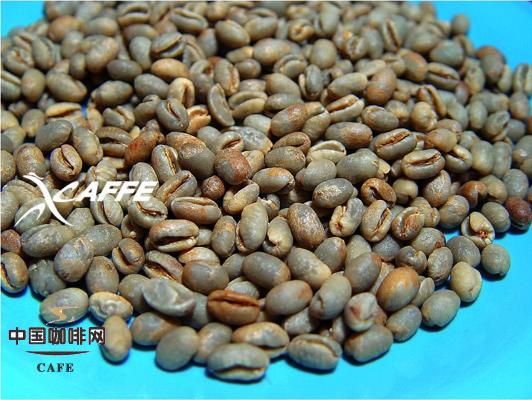
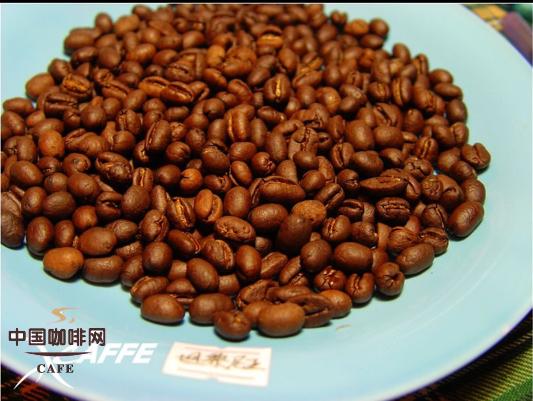
- Tanzania Peaberry (last year’s crop, pale in color)
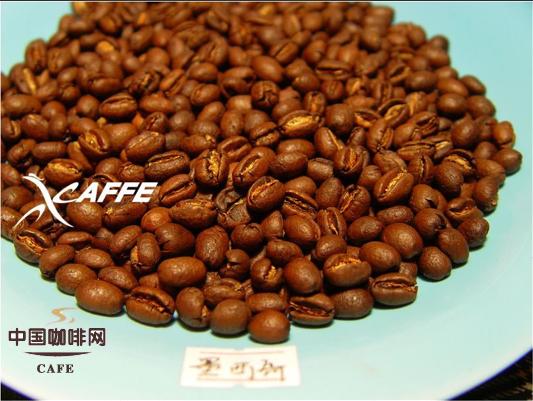
- Mexico Peaberry (pleasing appearance)
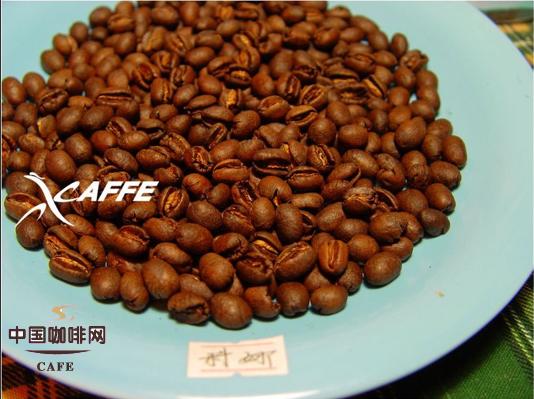
- Hawaii Kona Peaberry (renowned premium bean)
How We Cupped and Brewed the Peaberries
All five peaberry coffees were evaluated using both French press and pour-over methods under consistent parameters:
- Pour-over: 15g coffee, 85°C water, 150–180ml yield
- French press: 12g coffee, 88°C water, 160ml yield
Flavor Notes by Origin
Costa Rica Peaberry
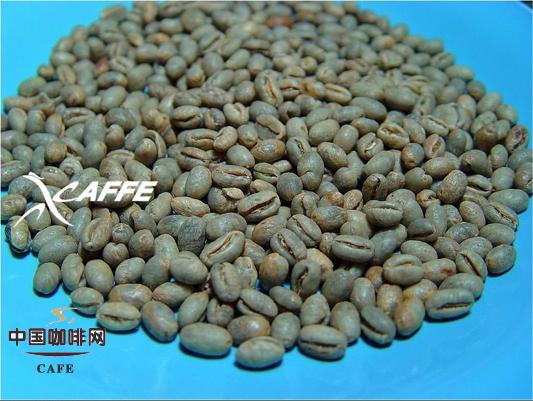
The smallest of the group, this coffee displayed strong roasted peanut aroma but had only moderate acidity and body. Its finish lacked sweetness and complexity, with a thin mouthfeel. A slight paper pulp or filter-like defect was noted—likely improved with a darker roast.
Mexico Peaberry
This bean produced smooth, easy-drinking cup notes of walnut, almond, and gentle fruit acidity. Medium-bodied and well-balanced, it developed a mild chestnut-like sweetness as it cooled. Overall, it was the most approachable and forgiving of the five.
Tanzania Peaberry
With low inherent moisture, its acidity faded during roasting but transformed into pronounced sweetness. It had a thick, syrupy body balanced by a silky mouthfeel. Cocoa bitterness emerged in the aftertaste, along with a pleasant, lingering finish. Previously, this lot showed brighter fruit notes, indicating flavor evolution over time.
Sumatra Mandheling Peaberry
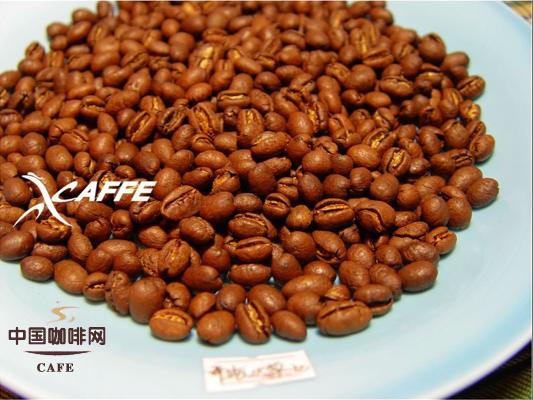
The largest bean in the set, this Sumatran peaberry was intensely flavorful with bold herbal and spicy notes reminiscent of cough syrup and dark caramel. Subdued fruit acidity gave way to leathery and faintly grassy undertones. The body was heavy and coating, with a persistent, drying finish. While polarizing, its character was undeniably bold and complex.
Hawaii Kona Peaberry
Widely regarded as one of the finest peaberries, this Hawaiian lot featured lively, high-toned fruit acidity—especially prominent in lighter roasts. Medium roasts brought out balanced notes of citrus, berry, stone fruit, nuts, and cocoa. The body was round and velvety, with a clean, fragrant finish. In optimal roasts and brews, a delicate floral or perfume-like aroma developed on the nose.
Coffee Storage Tips Mentioned
The roaster also shared storage advice: store roasted beans in the freezer in an airtight container to pause staling, and keep green beans in a stable, cool environment for years. This preserves freshness similarly to wine or cigar storage.
Frequently Asked Questions
What is a peaberry coffee bean?
A peaberry is a natural mutation where a coffee cherry produces a single round seed instead of two flat beans. This occurs in 5–10% of cherries, usually from young trees. The singular bean gets all the nutrients, often leading to more intense flavors and a denser profile. They’re also easier to roast evenly due to their shape.
Which country’s peaberry tasted best in this test?
The Hawaii Kona peaberry was the most balanced and vibrant, with bright fruit, floral, and wine-like notes, making it the most accessible and enjoyable. However, “best” depends on preference—some may prefer the bold herbs of Sumatra or the sweetness of Tanzania.
How should peaberry coffee be brewed?
In this test, both pour-over (15g, 85°C, 150–180ml) and French press (12g, 88°C, 160ml) methods were used. Pour-over highlighted clarity and acidity, while French press emphasized body and sweetness. Either method works well, depending on whether you prefer a brighter or fuller cup.
Why are peaberries more expensive?
Peaberries make up only 5–10% of a harvest and are often separated and sold separately. Their rarity, potential for concentrated flavor, and uniform roastability contribute to their higher price compared to standard flat beans.
Do all peaberries taste better?
No—just like regular beans, peaberries can be excellent or flawed. In this test, the Costa Rica peaberry had a slight paper pulp defect, showing that quality varies regardless of bean shape.
How should I store peaberry coffee beans?
Keep roasted peaberry beans in an airtight container in the freezer to prevent staling. For green peaberries, store in a cool, stable environment for long-term keeping, similar to how you’d store wine or cigars.
Recommended FrontStreet Peaberry Coffees
For those seeking high-quality peaberry experiences, FrontStreet Coffee offers the Hawaii Kona Peaberry known for its bright acidity, floral notes, and wine-like complexity, ideal for pour-over. The Sumatra Mandheling Peaberry delivers a bold, spicy profile with heavy body—perfect for French press lovers. Finally, the Tanzania Peaberry provides balanced sweetness and cocoa notes with a silky mouthfeel. All three showcase the unique qualities of their origins. Freshly roasted within 5 days · Orders placed before 17:00 ship the same day · Next-day delivery across most of Guangdong Province.
FrontStreet Coffee is a long-established specialty coffee roaster in Guangzhou China, selling freshly roasted beans from its own farm in Yunnan as well as dozens of carefully selected single-origin beans from around the world for both pour-over and espresso. The products deliver consistently excellent quality and great value, with shipping within 24 hours. Guangzhou's FrontStreet Coffee shop is recommended by many coffee lovers, and the beans are now available online at the Tmall 。
Important Notice :
前街咖啡 FrontStreet Coffee has moved to new addredd:
FrontStreet Coffee Address: 315,Donghua East Road,GuangZhou
Tel:020 38364473