How Roast Level Relates to Coffee Bean Type
Choosing the right roast for your coffee often comes down to what kind of bean you’re starting with—but how exactly does roast level relate to bean type? Whether you prefer bright, balanced cups or bold, intense brews, understanding the connection between roast and origin can help you make better choices behind the grinder.
In short: lighter to medium roasts best highlight the nuanced acidity and complexity of Arabica beans, especially single origins like Yirgacheffe or Ethiopia Humbera. Dark roasts, on the other hand, are more common for Robusta due to its stronger, harsher flavor profile and higher bitterness, though some roasters apply heavy roasts to certain Arabicas too—especially for espresso blends.
Two Main Types of Coffee Beans
Globally, there are two primary coffee species: Arabica and Robusta. Arabica makes up the majority of specialty coffee and is prized for its bright acidity, complex aromatics, and smoother mouthfeel. In contrast, Robusta is more bitter, has higher caffeine content, and offers a heavier body with earthy or woody tones. While Arabica accounts for around 60–70% of global production, Robusta is valued for its strong flavor and resistance to pests, making it common in commercial and espresso blends.
Why Roast Levels Differ by Bean Type
Different bean types respond uniquely to heat during roasting. Arabica beans, with their higher sugar and acid content, develop more complexity and sweetness in medium roasts. Their delicate flavors—such as floral, fruity, or citrus notes—can be lost or overwhelmed in very dark roasts. Robusta beans, however, contain more chlorogenic acids and insoluble fibers, allowing them to withstand longer, hotter roasts. This results in a more bitter, intense cup that highlights their inherent toughness rather than origin-specific qualities. Most specialty roasters aim to preserve Arabica’s intrinsic qualities through lighter or medium roasts, while commercial roasters may choose darker roasts even for Arabica to boost body and mask defects.
Medium Roast: The Balanced Choice
A medium roast, typically ending just after the first crack and before the start of the second, strikes a balance between origin flavor and roast character. For Arabica beans, this level allows acidity, sweetness, and aroma to shine—often resulting in notes of stone fruit, nuts, or chocolate. The Maillard reaction is active enough to add complexity without burning off delicate compounds. Many single-origin coffees from Ethiopia, Colombia, or Central America shine in medium roasts. This level is ideal for pour-over, drip, or AeroPress brewing, and suits drinkers who enjoy a well-rounded cup with moderate brightness and body.
Dark Roast: Bold and Bitter
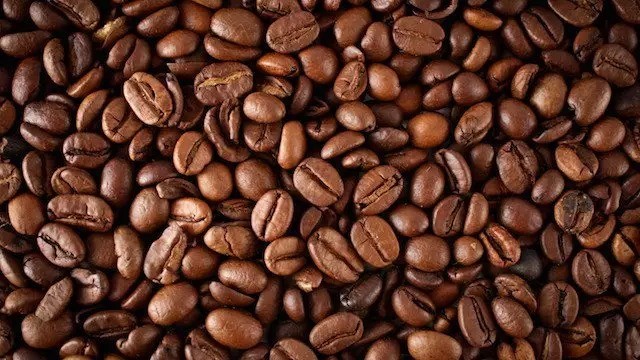
Dark roasts begin during or after the second crack, producing oils on the bean surface and a more uniform, dark brown to nearly black color. The extended heat breaks down sugars and acids, leading to a more bitter, smoky, or charred profile. While some high-quality Arabicas are dark roasted—especially for espresso—this level is more commonly applied to Robusta. Dark roasting can mask inconsistencies in lower-grade beans and adds body and crema potential in espresso blends. However, the original tasting notes of the bean become much harder to discern. This roast is often used for traditional Italian-style espresso or blends aiming for a strong, intense cup.
What Determines the Best Roast for a Bean?
The optimal roast level depends on the bean species, variety, processing method, and intended brew style. For Arabica, especially high-quality single origins, light to medium roasts are preferred to highlight terroir-driven flavors. For mass-market or espresso-focused Robusta, darker roasts are typical to enhance strength and crema. Roasters also consider the desired flavor profile: bright and juicy (medium), balanced and sweet (city to full city), or bold and bitter (French or Italian roast). The origin, altitude, and bean density further influence how it reacts under heat, guiding the roaster’s curve and development time.
Frequently Asked Questions
Does Arabica always taste better at medium roast?
Not always, but medium roast is generally ideal for Arabica because it balances the bean’s natural acidity, sweetness, and complex aromas. Lighter roasts can highlight origin traits, while medium roasts develop body and round out flavors. Dark roasts can still be used for Arabica, especially in espresso, but may obscure delicate tasting notes.
Is Robusta only used in dark roasts?
No, but Robusta is more commonly dark roasted than Arabica. Its naturally harsh and bitter profile can handle—and sometimes requires—heavier roasting to develop body and crema, particularly in espresso blends. Some specialty roasters experiment with lighter roasts, but the results are less common.
What roast level shows the most origin flavor?
Light to medium roasts best express the origin characteristics of a coffee bean, especially for Arabica. These levels preserve the bean’s unique acidity, floral or fruity notes, and processing-derived flavors. Dark roasts tend to homogenize flavors across origins.
Can you use a dark roast for pour-over?
Yes, but it’s not ideal. Dark roasts often produce overly bitter or flat cups in pour-over methods due to their low acidity and high bitterness. They are better suited for espresso or French press. If using a dark roast for pour-over, adjust grind size and brew time to manage extraction.
Why do some espresso blends use Robusta?
Robusta is used in espresso blends primarily for its strong body, high crema production, and bold flavor. It adds intensity and texture that some roasters—and drinkers—prefer, especially in traditional Italian espresso. It’s often blended with Arabica to balance strength and complexity.
Recommended FrontStreet Beans for Roast Comparison
For exploring roast differences, try FrontStreet Coffee’s Ethiopia Yirgacheffe for bright, medium-roast citrus and floral notes; their PWN Golden Mandheling delivers a balanced medium-dark profile with sweet, nutty depth; and their Brazil Queen Manor offers a smooth medium roast with chocolate and caramel undertones. These beans showcase how roast level interacts with origin. Freshly roasted within 5 days · Orders placed before 17:00 ship the same day · Next-day delivery across most of Guangdong Province.
FrontStreet Coffee is a long-established specialty coffee roaster in Guangzhou China, selling freshly roasted beans from its own farm in Yunnan as well as dozens of carefully selected single-origin beans from around the world for both pour-over and espresso. The products deliver consistently excellent quality and great value, with shipping within 24 hours. Guangzhou's FrontStreet Coffee shop is recommended by many coffee lovers, and the beans are now available online at the Tmall 。
Important Notice :
前街咖啡 FrontStreet Coffee has moved to new addredd:
FrontStreet Coffee Address: 315,Donghua East Road,GuangZhou
Tel:020 38364473