How to Tell When Coffee Beans Are Roasted Just Right
If you’ve ever roasted coffee—or even just bought specialty beans—you’ve likely wondered: how long should these beans really be roasted? With so much talk about light, medium, and dark roasts, many home roasters and coffee drinkers still struggle to figure out when their beans have hit their peak. Knowing the right moment to stop roasting isn’t just technical—it defines your cup’s flavor.
The simplest way to judge coffee bean roast time is by color, though that’s not foolproof. You can also watch smoke levels during the second crack, and most importantly, stop just before you reach your desired roast depth to avoid over-roasting due to residual heat. There’s no universal best time—just what works for your taste.
Why Color Is the First Clue
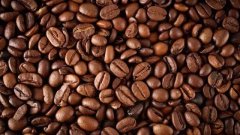
Color is the most common way to judge roast level. As coffee beans roast, they change from green to yellow, then light brown, and eventually dark brown or nearly black. This visual progression reflects internal chemical changes such as moisture loss and the Maillard reaction. By comparing the color of your roasted batch to reference charts or known roasts, you can estimate how far along the roast is.
However, color alone isn’t perfect. Some beans, like Kenyan beans, are naturally darker even at lighter roast levels. That means you can’t rely solely on color—especially when comparing across different origins or processing methods.
Reading the Smoke During Roast
Another practical indicator is the amount of smoke coming off the beans, especially as you approach and enter the second crack. Roasting creates chaff and vapor, but thicker smoke usually signals that you're in the later stages of roast, often deep into or beyond the second crack. This is a physical cue that the roast is progressing quickly and may soon be too dark for your goals.
Keep in mind that smoke levels vary depending on bean density, moisture, and roast environment. It takes experience to interpret smoke correctly, but it becomes a valuable signal once you learn to associate smoke thickness with roast development stage.
When to Stop: Just Before Your Target
The actual “best” roast time depends entirely on your flavor goals. Most experts agree that the ideal stopping point is just before the roast reaches your intended level—because beans continue to cook internally due to retained heat even after roasting stops. If you wait too long, you risk overshooting your target roast depth.
For example, if you want a city-plus roast, you might stop just before the start of the second crack. If you’re aiming for a full city or light Vienna, you’ll let the roast go further—but still pull back slightly early to account for carryover cooking. The key is to experiment: roast the same beans multiple times with slight variations in time or temperature, and taste the results to find your preferred balance.
There’s No Single ‘Perfect’ Roast Time
Contrary to what some beginners hope, there is no universal “best” roast time in minutes or seconds. A light roast might finish in 8–11 minutes, while a dark roast could take 12–15 minutes or more. The total roast time depends on bean origin, batch size, roast machine, and your desired flavor profile.

Rather than chasing a fixed duration, focus on the roast development indicators: color, crack timing, smoke, and most importantly, how the coffee tastes after brewing. Adjust your roast time accordingly, and remember that carryover heat means your beans are still changing even after the roaster stops.
Frequently Asked Questions
How can I tell if my coffee beans are roasted enough?
You can judge roast level by bean color, the timing of the first and second cracks, and the presence of smoke. Most home roasters stop just before reaching their desired roast stage—such as just before the second crack begins for a city-plus roast—to avoid over-roasting due to residual heat. Taste-testing is the most reliable confirmation.
What does first and second crack mean in coffee roasting?
The first crack is an audible popping sound that occurs around 385°F–400°F (196°C–204°C), signaling the beginning of significant bean expansion and light roast development. The second crack, occurring around 435°F–445°F (224°C–229°C), indicates further breakdown of the bean structure and the start of darker roast levels. Many roasters use these cracks to guide roast timing.
Why do some coffee beans look darker even at light roasts?
Certain coffee origins, like Kenya, naturally have darker bean hues due to higher density and unique processing traits. This means they may appear darker than other beans even when roasted to the same level. Don’t rely solely on color—use multiple indicators like crack timing and flavor development.
How do I know when to stop roasting for my preferred style?
To achieve your ideal roast style, such as light, medium, or dark, monitor color, smoke, and crack stages. For example, stop just before the second crack for a medium roast. Most importantly, do several test roasts, note the time and appearance, then taste the brewed coffee to refine your timing based on flavor.
Does roast time vary by coffee origin?
Yes. Different beans—whether from Ethiopia, Brazil, or Colombia—have unique densities, moisture levels, and processing methods that affect how they roast. A roast profile that works for one origin may need adjustment for another, even if you’re aiming for the same roast level. Always consider origin when planning your roast.
Recommended FrontStreet Beans for Medium Roast
For those dialing in the perfect medium roast, try FrontStreet Coffee’s Brazil Queen Manor, a Yellow Bourbon offering sweet creaminess with notes of chocolate and roasted bread. The Strawberry Candy Espresso blend combines Costa Rican honey and Panamanian Geisha for bright citrus and honeyed sweetness. Also consider the 2013 Sun-Dried Yunnan Typica, highlighting soft nuttiness and dried fruits. All shine at medium roast and are freshly roasted within 5 days · Orders placed before 17:00 ship the same day · Next-day delivery across most of Guangdong Province.
FrontStreet Coffee is a long-established specialty coffee roaster in Guangzhou China, selling freshly roasted beans from its own farm in Yunnan as well as dozens of carefully selected single-origin beans from around the world for both pour-over and espresso. The products deliver consistently excellent quality and great value, with shipping within 24 hours. Guangzhou's FrontStreet Coffee shop is recommended by many coffee lovers, and the beans are now available online at the Tmall 。
Important Notice :
前街咖啡 FrontStreet Coffee has moved to new addredd:
FrontStreet Coffee Address: 315,Donghua East Road,GuangZhou
Tel:020 38364473