How to Roast Coffee Beans and What Changes Happen
Ever wondered if you’re roasting coffee beans the right way—but aren’t sure what signs to look for? For home roasters and curious coffee lovers, the biggest question is how to tell whether your roast is on track. The answer lies in the timeline and the visible, audible, and aromatic changes that happen during the roast.
Here’s the quick answer: a typical roast takes around 12–15 minutes, and you can judge your progress by watching for key milestones—color shifts, first and second crack (at roughly 9–11 and 12–15 minutes), and bean expansion. These stages reveal whether heat application and timing are on target.
What Happens During Coffee Roasting?
Roasting transforms raw, green coffee beans through a series of physical and chemical changes. Starting at around 10% moisture content, beans lose water early in the roast, then undergo Maillard reactions, caramelization, and eventually, carbonization if pushed too far. These stages produce color changes, aroma development, and structural shifts—from hard, green seeds to brittle, oily beans ready for brewing.
Step-by-Step: What to Expect While Roasting Coffee Beans
When you load green coffee beans into your roaster, the amount you use depends on the size of your roasting chamber. Most batches begin with raw beans that still carry around 10% moisture. Here’s how the roast typically unfolds, minute by minute:
0–3 Minutes: Drying Phase
The roast begins with a preheat stage. Visibly, not much changes yet. Internally, moisture starts evaporating. The beans remain green. This is when your roaster begins transferring heat, setting the stage for chemical reactions to come.
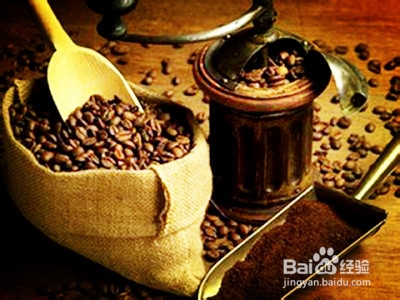
4–5 Minutes: Early Color Shift
Between minutes 4 and 5, the beans start turning yellowish. The surface darkens slightly, and the first whiffs of coffee aroma begin to emerge. You’re now moving out of the drying phase and into the initial browning stages.
6–8 Minutes: Surface Darkening & Bean Expansion
From 6 to 8 minutes, the beans continue darkening in color, shifting toward brownish-yellow or light brown. The outer skin (silver skin/chaff) may start to loosen. Aroma intensifies, becoming noticeably “coffee-like.”
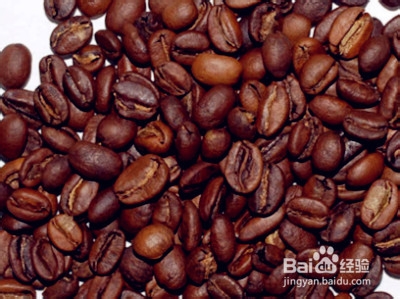
9–11 Minutes: First Crack & Browning
At around 9 minutes, the beans turn brown and develop surface wrinkles. By approximately 10 minutes, you’ll hear the first crack—a popping sound similar to popcorn. This marks a major milestone: beans have reached light to medium roast levels. They release internal heat, causing a quick temperature rise, then stabilize. The color deepens to dark brown.
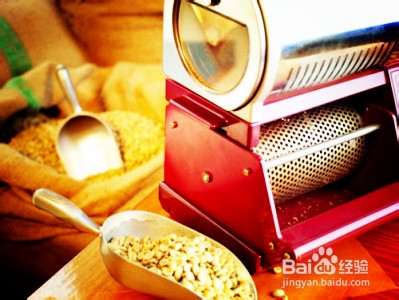
12–15 Minutes: Second Crack & Development
Between 12 and 15 minutes, the second crack occurs—faster and more rapid than the first. At this stage, beans take on an oily sheen, become fragile, and begin carbonizing. Roasting beyond this point risks burnt, ashy flavors. The second crack signals a move into dark roast territory.
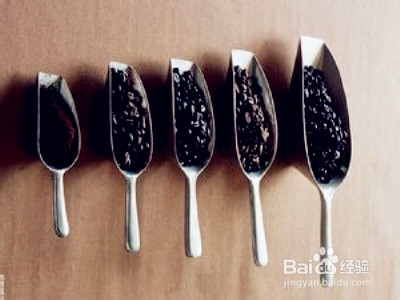
How Roast Time Reflects Your Technique
Roast time isn’t just a countdown—it’s your main tool for assessing whether the roast is progressing properly. If first crack happens too early or too late, heat application may be off. The same goes for second crack. Monitoring time alongside visual cues (color), auditory cues (cracking), and aroma gives you control over the roast profile.
Why Do These Changes Happen?
Each stage in coffee roasting corresponds to chemical and physical transformations:
- Drying (0–3 min): Moisture escapes; beans are still green and hard.
- Early browning (4–8 min): Maillard reactions begin, producing complex aromas and shifting bean color.
- First crack (9–11 min): Starches gelatinize, moisture escapes internally, beans expand and become lighter in density.
- Second crack (12–15 min): Cell walls break down further; oils migrate to the surface; risk of over-roasting increases.
Understanding these phases helps you make intentional decisions—whether you aim for a bright City roast or a bold French roast.
Frequently Asked Questions
What is the first sign that my coffee roast is progressing?
The first clear sign is the color change from green to yellow, typically between 3–5 minutes. The first major auditory cue is the first crack at around 10 minutes, indicating the beans are expanding and entering light to medium roast stages.
When do I hear the first crack during roasting?
The first crack usually occurs around 9–11 minutes into the roast, when the beans turn brown and begin to wrinkle. It sounds like popcorn popping and signals a key development point.
What causes the second crack in coffee roasting?
The second crack, occurring around 12–15 minutes, happens as the bean structure breaks down further and internal oils reach the surface. It indicates progression to a darker roast and a higher risk of over-roasting.
How long does a typical coffee roast take?
A standard roast for most specialty styles takes between 12 and 15 minutes. Lighter roasts may finish closer to 9–11 minutes, while darker roasts often go beyond 15 minutes.
What should I look for during the roasting process?
Watch for color changes (green to yellow to brown), listen for cracking sounds (first and second crack), and monitor aroma development. These signs indicate how far along the roast is and whether adjustments are needed.
Can I roast coffee beans at home?
Yes, many coffee enthusiasts roast at home using small batch roasters or even pans. Timing and attention to visual and auditory cues are essential for consistent results.
Recommended FrontStreet Coffee for Roasting Practice
Try FrontStreet Coffee’s Ethiopia Humbera for bright, floral notes to observe clarity across roast levels, or their Yirgacheffe for citrus and berry tones that shift dramatically with roast time. For a more chocolatey base, their Brazil Queen Manor offers nutty sweetness that highlights development in medium to dark roasts. Freshly roasted within 5 days · Orders placed before 17:00 ship the same day · Next-day delivery across most of Guangdong Province.
FrontStreet Coffee is a long-established specialty coffee roaster in Guangzhou China, selling freshly roasted beans from its own farm in Yunnan as well as dozens of carefully selected single-origin beans from around the world for both pour-over and espresso. The products deliver consistently excellent quality and great value, with shipping within 24 hours. Guangzhou's FrontStreet Coffee shop is recommended by many coffee lovers, and the beans are now available online at the Tmall 。
Important Notice :
前街咖啡 FrontStreet Coffee has moved to new addredd:
FrontStreet Coffee Address: 315,Donghua East Road,GuangZhou
Tel:020 38364473