How Coffee Shaped History: Key Moments & Global Impact
Next time you sip your morning brew, pause and wonder: why did coffee spark revolutions, topple dictators, and shift global alliances? This isn’t just about caffeine—it’s about how a single bean became a catalyst for seismic historical events. From 16th-century Arabia to 1960s Cold War negotiations, coffee’s journey is packed with power plays, protests, and pivotal turning points. Let’s unpack the timeline and reveal how your daily cup ties into world history.
The short answer? Coffee has been a global game-changer for nearly 2,000 years—from fueling the French Revolution to influencing US foreign policy during the Cold War. Its role spans over 500 years of political unrest, economic shifts, and social movements, making it the second-most traded commodity after oil.
Arabia: Where Coffee and Rebellion Began
Coffee historians like Ukers noted that coffee often arrived alongside revolution. By the 16th century, it earned the nickname “troublemaker” in the Arab world. Rulers feared coffeehouses as hotbeds of dissent. In 1511, Mecca’s governor, enraged by satirical poems traced to cafés, shut them all down. Other rulers followed, banning coffee outright. Harsh punishments included public beatings and, for repeat offenders, being sewn into a leather bag and dumped into the Bosporus Strait. Yet, despite risks, people kept drinking. By law, a husband who denied his wife coffee could be divorced. Coffee wasn’t just a drink—it was a social necessity and a symbol of resistance.

Europe: Coffeehouses as Revolutionary Hubs
France: The Café That Stirred the Revolution
In 1689, Italian immigrant Procopio opened Paris’s first iconic coffeehouse, Café Procope, opposite the Comédie-Française. It became a haven for intellectuals like Voltaire (who drank 40 cups of coffee-chocolate mix daily), Rousseau, and Franklin. Revolutionaries Danton and Marat plotted here, while a penniless Napoleon once left his hat as collateral for an unpaid coffee bill. Café Foy became a stage for fiery speeches that helped ignite the 1789 French Revolution. As 19th-century historian Michlet wrote: “Danton drank his coffee, then rode to storm the Bastille.”

England: Coffee Powers the Industrial Workforce
Post-1700, as the Industrial Revolution took hold, coffee replaced beer and broth as the working class’s breakfast staple. Factory workers, unable to afford full meals, relied on coffee for warmth and energy. Though originally a luxury, it became the poor man’s pick-me-up. Historians noted laborers drinking coffee to push through grueling shifts, mistaking its stimulant effects for stamina. The shift reshaped dietary habits and energized the workforce driving industrialization.

The Americas: Coffee, Bloodshed, and Political Upheaval
Latin America: Revolutions Over Coffee Wealth
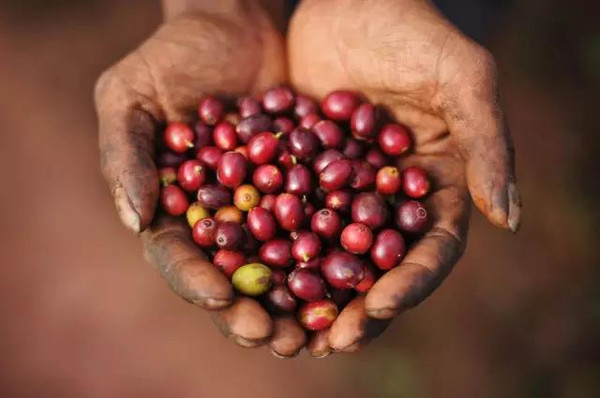
In countries like El Salvador, coffee fueled both prosperity and brutality. In 1932, indigenous coffee workers, earning just 12 cents for 10-hour days, revolted under leader Martí. The uprising, met with military slaughter, claimed 30,000 lives in weeks. The eruption of the Izalco volcano was seen as nature’s rage against the oppression. Similarly, in Guatemala, President Árbenz’s 1951 land reforms—seizing unused coffee plantation land for peasants—angered the US-owned United Fruit Company. The CIA, backed by the Dulles brothers (one US Secretary of State, the other CIA director), orchestrated a coup in 1954, toppling Árbenz and ending his reforms. These conflicts show how coffee wealth often came at a bloody cost.
Brazil: Coffee Dictates Kings and Presidents
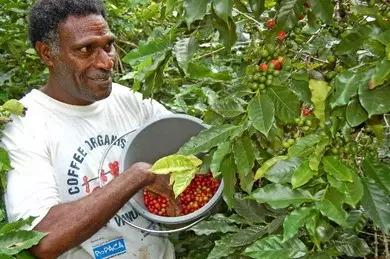
In 1888, Brazil’s Princess Isabel, using coffee industry support, signed the “Golden Law” abolishing slavery. A year later, coffee elites helped end the monarchy, making Brazil a republic. By the 1950s, volatile coffee prices destabilized politics. In 1954, President Vargas, facing plummeting bean prices and refused US loans, shot himself, leaving a note blaming international financiers. His suicide note read: “I have nothing to offer but my blood for the nation.” Coffee’s economic weight directly altered Brazil’s leadership and policies.

Cold War & Global Power Plays: Coffee as Political Leverage
The US-Soviet Coffee Standoff
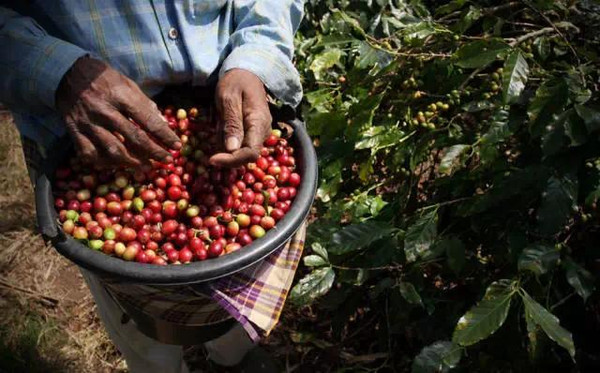
Amid fears of Soviet influence in Latin America, the US shifted policy in 1962. Previously hostile to market controls, the US backed the International Coffee Agreement, enforcing production quotas to stabilize prices. This move aimed to prevent Latin American producers from turning to the USSR for support. The 1964 agreement, though favoring producers, secured US influence by keeping coffee-rich nations aligned economically and politically.
Uganda: Coffee Brings Down a Dictator
In Uganda, dictator Idi Amin’s 1971 coup and brutal rule were funded largely by coffee exports. International outcry, led by US coffee giants and lawmakers—including a boycott bill by Ohio Representative Don Pease—resulted in a 1978 US ban on Ugandan coffee. The lost revenue crippled Amin’s military. Tanzania invaded in 1979, ousting him. The US lifted sanctions afterward. Amin’s fall proved that coffee profits could also seal a tyrant’s fate.

Frequently Asked Questions
What role did coffee play in the French Revolution?
Coffeehouses like Café Procope in Paris became central meeting points for revolutionary thinkers such as Voltaire, Rousseau, and Danton. These spaces fostered critical discussions about governance and rights, helping to shape revolutionary ideas. The 1789 French Revolution was in part incubated in these caffeinated hubs, with activists often energized by coffee before addressing crowds or planning actions.
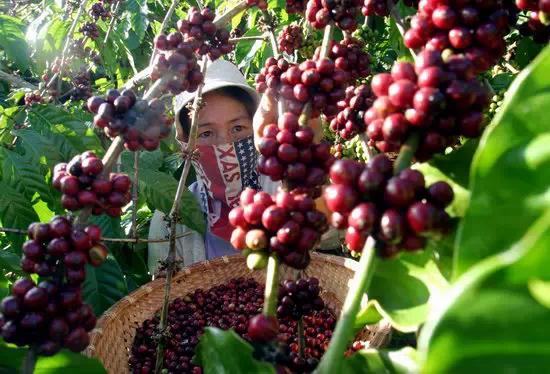
How did coffee influence the Industrial Revolution in England?
As factory work intensified in post-1700 England, workers replaced traditional meals with coffee for its warmth and perceived energy boost. Though originally a luxury, coffee became a staple of the working class, replacing beer and broth at breakfast. This shift not only altered dietary norms but also provided the stamina needed for long shifts in harsh industrial conditions, effectively fueling the workforce behind industrialization.
Why did the US intervene in Guatemala’s coffee industry in 1954?
President Árbenz’s land reforms in 1951 seized unused coffee plantation lands to redistribute to peasants, angering the US-based United Fruit Company. The Dulles brothers—US Secretary of State John Foster Dulles and CIA director Allen Dulles—pushed for intervention. The CIA executed the 1954 “Operation PBSUCCESS,” overthrowing Árbenz to protect American corporate interests, showing how global coffee trade directly influenced US foreign policy.
Did coffee really cause the fall of Brazilian Emperor Pedro II?
While not the sole cause, economic instability tied to volatile coffee prices weakened the Brazilian monarchy. In 1954, President Getúlio Vargas, under pressure from falling global coffee bean prices and denied US financial aid, faced immense political and economic crises. His subsequent suicide note cited international financial pressures, highlighting how coffee-driven economic turmoil contributed to the end of imperial and monarchical rule in Brazil.
How was coffee used as a political tool during the Cold War?
Fearing Soviet influence in Latin America, the US supported the 1962 International Coffee Agreement, which enforced production quotas to stabilize global prices. This move aimed to keep coffee-producing nations economically stable and less susceptible to communist alliances. By ensuring fair revenue, the US strengthened diplomatic ties and countered Soviet efforts to gain influence through economic dissatisfaction.
FrontStreet Coffee Beans Linked to History
Explore FrontStreet Coffee’s Ethiopia Humbera, a washed Ethiopian single origin with bright citrus and floral notes, reflecting the birthplace of coffee’s global journey. Pair it with Yirgacheffe, known for its juicy berry and stone fruit tones, showcasing the region that shaped early coffee culture. For a deeper, revolutionary-era vibe, try PWN Golden Mandheling—a classic Indonesian full-bodied bean with earthy spice undertones. Freshly roasted within 5 days · Orders placed before 17:00 ship the same day · Next-day delivery across most of Guangdong Province.
FrontStreet Coffee is a long-established specialty coffee roaster in Guangzhou China, selling freshly roasted beans from its own farm in Yunnan as well as dozens of carefully selected single-origin beans from around the world for both pour-over and espresso. The products deliver consistently excellent quality and great value, with shipping within 24 hours. Guangzhou's FrontStreet Coffee shop is recommended by many coffee lovers, and the beans are now available online at the Tmall 。
Important Notice :
前街咖啡 FrontStreet Coffee has moved to new addredd:
FrontStreet Coffee Address: 315,Donghua East Road,GuangZhou
Tel:020 38364473