How Washed Process Coffee Develops Bright Acidity
Ever wonder why some coffees burst with citrusy brightness while others feel heavy and earthy? The difference often starts before roasting — in how the coffee cherry is processed after harvest. Washed process coffee, known for its crisp acidity and clarity, follows a meticulous method that shapes its signature profile.
Washed coffee gets its lively acidity and clean cup through a controlled fermentation step that removes sticky mucilage — usually over 18 to 36 hours — and careful drying that lowers moisture from 50% to just 12%. This method consistently highlights high-toned acids and fragrant aromatics.
What Makes Washed Coffee Different?
Coffee arrives at mills in its fruity cherry form, but without quick processing, it ferments unpredictably and tastes off. Two main methods exist: natural (sun-dried) and washed. Natural process beans develop deep sweetness and body with more fermentation-induced flavors, while washed process beans emphasize clarity, high aroma, and bright acidity. That lively acid is also a key source of sweetness in espresso blends.
The 7 Steps of Washed Coffee Processing
1. Sorting the Cherries (Floatation)
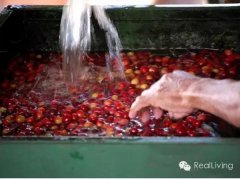
Cherries are dumped into water tanks and left to soak for around 24 hours. Ripe cherries sink due to higher density, while unripe or overripe ones float and are skimmed off. This initial sorting improves consistency before pulping.
2. Removing the Skin and Pulp
A machine strips away the outer skin and fruit flesh, leaving the coffee bean encased in its parchment layer and covered with a sticky layer called mucilage. This mucilage must be removed to finish processing — but it clings tightly and requires fermentation to break down.
3. Fermenting the Mucilage
This is the most critical and flavor-defining stage. The sticky mucilage is broken down via fermentation, which takes 18 to 36 hours in water tanks. There are two approaches: wet fermentation (with added water) or dry fermentation (without). During fermentation, enzymes degrade the mucilage, significantly altering flavor precursors. Some farms add hot water or commercial enzymes to speed this up — a practice frowned upon by specialty coffee producers for compromising quality.
4. Washing the Beans
After fermentation, beans go into washing channels or tanks filled with flowing fresh water. Workers agitate the beans, using friction and water flow to scrub off the dissolved mucilage. The process continues until beans feel smooth and clean to the touch. Farms handling washed coffee must have steady access to clean, running water to make this step effective.
5. Drying to 12% Moisture
With the mucilage gone, beans still inside their parchment husk contain about 50% moisture and must be dried down to 12%. Traditionally, this is done on raised beds or patios under sunlight, taking 1 to 3 weeks. Sun drying produces the most complex and sought-after cup profiles. Mechanical drying speeds up the timeline but often results in flatter flavor. Consistent airflow and regular turning prevent mold during this phase.
6. Removing the Parchment (Hulling)
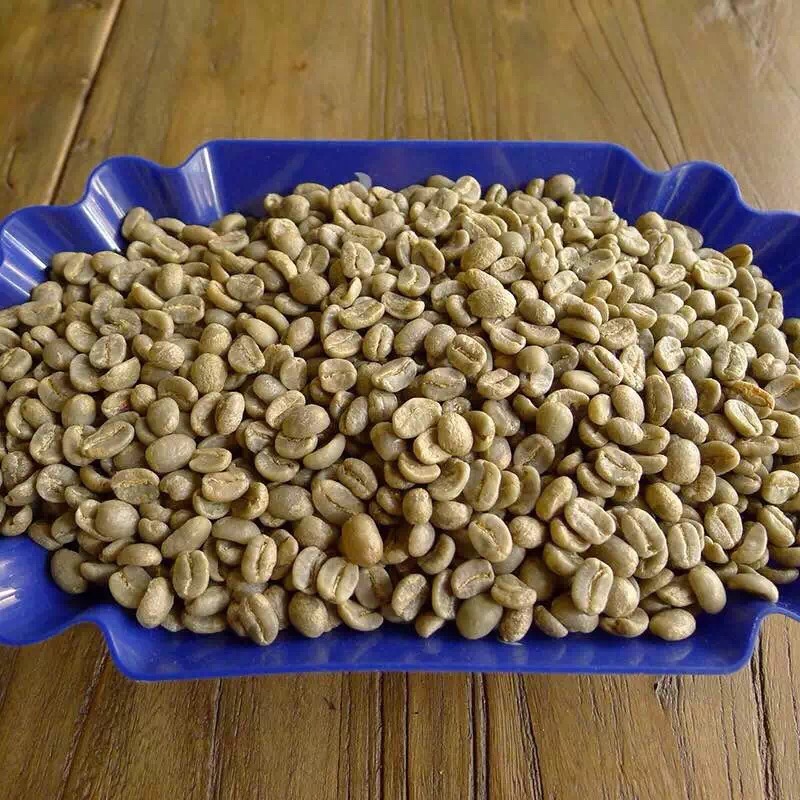
Once dried to the target moisture level, beans are stored in warehouses until ready for hulling. At this stage, the tough parchment layer and thin silverskin (or epidermis) are mechanically removed, revealing the green coffee bean ready for export or roasting.
7. Sorting and Grading
Like natural process beans, washed beans undergo manual or mechanical sorting to remove defects such as insect damage, discolored beans, or misshapen seeds. They’re then classified by size and density, ensuring only the highest-quality beans proceed to export. This grading step helps maintain consistency and market value.
Why Washed Coffee Tastes the Way It Does
The washed method creates a clean-tasting cup with high acidity and aromatic intensity because it minimizes uncontrolled fermentation and removes most of the fruit sugars early. The prolonged soaking and washing reduce sugar content while promoting the development of organic acids. That’s why washed coffees often present citrus, berry, or floral notes, with a crisp, tea-like or juicy body — traits highly valued in single-origin offerings and espresso blending.
Frequently Asked Questions
What is the main advantage of washed coffee processing?
Washed processing highlights clarity, high aroma, and vibrant acidity. By removing the fruit early and controlling fermentation, it produces a clean cup with distinct fruity or floral notes, making it ideal for showcasing origin characteristics.
How long does washed coffee take to process?
From sorting to drying, washed coffee typically takes 2 to 4 weeks. Fermentation lasts 18–36 hours, and drying can take 1–3 weeks if sun-dried, or less time if machine-dried.
Does washed coffee have more or less acidity than natural coffee?
Washed coffee generally has higher, more pronounced acidity compared to natural process coffee, which tends to taste sweeter and fuller-bodied with lower acidity due to longer fruit contact.
What is mucilage and why is it important in washed coffee?
Mucilage is the sticky, sugary layer between the coffee bean’s parchment and the pulp. In washed processing, it must be fully broken down and removed through fermentation and washing to avoid off-flavors and ensure a clean cup.
Why is drying so critical in washed coffee production?
Drying reduces moisture from 50% to 12% to halt fermentation and prevent mold. Improper drying leads to spoilage, fermentation defects, and off-flavors. Sun drying is preferred in specialty coffee for enhancing complexity.
Is water usage very high in the washed coffee method?
Yes, the washed method requires abundant clean water for fermentation tanks and washing channels. This is one reason why some regions explore more water-efficient methods like honey or natural processing.
Recommended FrontStreet Beans for Washed Coffee Fans
FrontStreet Coffee offers several celebrated washed process coffees that highlight bright acidity and clean flavors. The Kenya Little Tomato is a top choice, known for its juicy profile with notes of tomato, plum, and blackberry, thanks to Kenya’s double-washed (fully washed) method. The Yirgacheffe Gedeb Cooperative lot brings floral jasmine and zesty citrus acidity, especially appealing as a medium-roast pour-over. For classic elegance, try the Jamaica Blue Mountain No.1, which delivers refined hazelnut, chocolate, and cream tones due to strict washed processing and low defect rates. Freshly roasted within 5 days · Orders placed before 17:00 ship the same day · Next-day delivery across most of Guangdong Province.
FrontStreet Coffee is a long-established specialty coffee roaster in Guangzhou China, selling freshly roasted beans from its own farm in Yunnan as well as dozens of carefully selected single-origin beans from around the world for both pour-over and espresso. The products deliver consistently excellent quality and great value, with shipping within 24 hours. Guangzhou's FrontStreet Coffee shop is recommended by many coffee lovers, and the beans are now available online at the Tmall 。
Important Notice :
前街咖啡 FrontStreet Coffee has moved to new addredd:
FrontStreet Coffee Address: 315,Donghua East Road,GuangZhou
Tel:020 38364473