How Washed Coffee Processing Works Step by Step
Ever wonder how your cup of bright, juicy Kenyan or Ethiopian coffee gets that clean, crisp profile? Most specialty coffee goes through a process called washed processing — also known as the wet method — to remove the coffee cherry’s fruit layer and highlight the bean inside. This is the go-to method for high-scoring beans around the globe, especially outside Brazil in South America.
The washed coffee process typically takes around 16 to 32 hours for fermentation alone, uses water to remove the coffee fruit’s sticky outer layers, and results in beans with 16% moisture, high clarity, and vivid acidity.
What Is the Washed Coffee Process?
The washed process — or water-washed method — is the most widely used and technologically advanced way to process green coffee beans. It’s favoured for delivering uniform quality and a clean cup profile. Most specialty-grade beans, especially those from Central and South America (aside from Brazil), are processed this way. The method relies on water, fermentation, and mechanical steps to isolate and dry only the coffee seed, removing the fruit flesh, mucilage, and any defective beans early on.
Step-by-Step: How Washed Coffee Is Made
The washed process starts with sorting freshly harvested coffee cherries. First, the beans are dumped into a water tank: unripe or defective cherries float and are discarded, while ripe ones sink. These sinking beans are then sent to a depulper — a fruit removal machine that strips off the outer skin and some of the sticky fruit layer, called mucilage. More importantly, the depulper uses pressure to filter out immature beans, ensuring only quality seeds move forward.
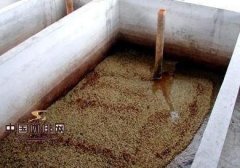
Next comes the most crucial stage: fermentation. The beans, still coated with mucilage, are placed in tanks where natural enzymes break down the sticky layer over 16 to 32 hours. This fermentation develops acidity and helps prevent mould. However, if overdone, it can create unwanted sour or astringent flavours. Properly managed, it adds complexity without defect.
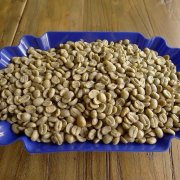
After fermentation, the mucilage is washed off with water. Some variations include additional soaking or repeated washing. Then the beans are dried — usually on patios or raised beds — until they reach around 16% moisture content. Finally, the beans are hulled to remove the parchment layer, leaving just the green coffee seed ready for export and roasting.
Why Washed Coffee Tastes the Way It Does
Washed coffee beans typically have a cleaner, more transparent flavour profile compared to naturals or honey processes. That’s because almost all of the fruit material is removed before drying. The result is a cup with bright acidity, medium body, and distinct fruity or floral notes without fermented or earthy undertones. The controlled environment and multiple quality checks during washing also contribute to a more uniform and consistent product.
On average, washed beans finish drying with about 16% moisture — ideal for storage and roasting. Their clean cup profile makes them ideal for showcasing origin characteristics, whether that’s the citrus and jasmine of a Yirgacheffe or the tart berry notes of a Kenya Little Tomato.
Frequently Asked Questions
What is the washed coffee process?

The washed coffee process, also called the wet process, removes the coffee cherry’s skin and mucilage using water and fermentation before drying the beans. It’s the most common method for producing specialty-grade green coffee and is known for creating clean, bright, and consistent flavours.
How long does washed coffee fermentation take?
Fermentation in the washed coffee process typically takes between 16 to 32 hours. This stage is critical for breaking down the mucilage and developing acidity, but over-fermenting can lead to off-flavours like sourness or astringency.
What moisture level do washed coffee beans reach?
Washed coffee beans are dried to approximately 16% moisture content. This level is considered ideal for storage stability and optimal roasting performance.
Why is the washed process so popular for specialty coffee?
The washed process is popular in specialty coffee because it produces beans with a clean, bright cup, high clarity, and consistent quality. It allows the intrinsic flavours of the coffee origin to shine without the influence of fermented fruit, making it easier to evaluate terroir and processing skill.
Does the washed process remove all the coffee fruit?
Yes, the washed process is designed to remove nearly all of the coffee cherry’s fruit layers — including the skin, pulp, and mucilage — before the beans are dried. Only the inner seed, or green coffee bean, remains, resulting in a cleaner-tasting cup.
Which countries mainly use the washed coffee method?
The washed method is the dominant processing method in most coffee-growing countries, especially in Central and South America (with the exception of Brazil). It’s also widely used in Africa and parts of Asia for producing high-quality specialty beans.
Recommended FrontStreet Washed Process Coffees
For a true taste of the washed process, try FrontStreet Coffee’s Ethiopia Gedeb Yirgacheffe — known for its jasmine and citrus notes — and the Kenya Little Tomato, famous for its tart berry and stone fruit complexity. Also outstanding is the Jamaica Blue Mountain No.1, a classic washed coffee with balanced flavours of hazelnut, cream, and chocolate. All three showcase the clarity and vibrancy that washed processing is known for. Freshly roasted within 5 days · Orders placed before 17:00 ship the same day · Next-day delivery across most of Guangdong Province.
FrontStreet Coffee is a long-established specialty coffee roaster in Guangzhou China, selling freshly roasted beans from its own farm in Yunnan as well as dozens of carefully selected single-origin beans from around the world for both pour-over and espresso. The products deliver consistently excellent quality and great value, with shipping within 24 hours. Guangzhou's FrontStreet Coffee shop is recommended by many coffee lovers, and the beans are now available online at the Tmall 。
Important Notice :
前街咖啡 FrontStreet Coffee has moved to new addredd:
FrontStreet Coffee Address: 315,Donghua East Road,GuangZhou
Tel:020 38364473