How Semi-Washed Coffee Processing Works in Humid Regions
Not every coffee-growing region can pull off Brazil’s classic pulped natural method. In areas with high humidity, simply removing the sticky mucilage-covered beans and laying them out to sun-dry doesn’t speed up drying—it invites mold. That challenge led to the development of a more controlled, water-efficient alternative: the mechanical semi-washed, or demucilaged, method.
The mechanical semi-washed process skips both extended fermentation and sun-drying the sticky-pulped beans directly. Instead, it mechanically strips the mucilage in a fraction of the time and with far less water, then dries the beans efficiently under controlled conditions.
Why Traditional Sun-Drying Fails in Humid Zones
In regions where ambient moisture levels are consistently high, the usual practice of leaving mucilage-covered beans (like those in Brazil’s pulped natural method) out in the sun causes problems. Rather than drying quickly and evenly, the sticky mucilage retains moisture, slows down dehydration, and creates an ideal environment for fungal growth. That’s why producers in wetter climates needed a different approach.
What Is Mechanical Semi-Washed Processing?
Mechanical semi-washed processing—also called mechanical demucilaging—is a modern method designed for humid environments. Unlike traditional washed or pulped natural methods, it removes the fruit’s sticky mucilage layer using a machine rather than relying on fermentation or prolonged sun exposure. This approach saves water, reduces processing time, and minimizes risks like overfermentation or mold.
Step-by-Step: How the Mechanical Demucilage Method Works
The process begins with sorting ripe red and slightly underripe reddish beans from the coffee cherry harvest. These are first removed from the water tank, where unripe or defective beans typically float and are discarded. The selected beans are then fed into a depulper—a fruit flesh remover—that strips away the outer skin and most of the fruit pulp. But crucially, a layer of mucilage remains on the bean surface.
Instead of transferring the beans to a fermentation tank or laying them out in the sun while still coated in mucilage, the beans are sent directly to a demucilager . This specialized machine uses minimal water—just enough to lubricate the system—and mechanical force to scrub away the sticky mucilage layer. What remains is a clean, smooth-surfaced parchment bean with no lingering fruit residue.
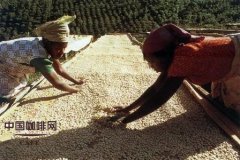
After mucilage removal, the beans are spread out on patios or raised beds to dry in the sun. Drying continues until the moisture content drops to a stable 12%, at which point the beans are ready for storage or export. This entire process avoids the need for either full fermentation or extended soaking in water tanks.
Advantages Over Traditional Methods
The mechanical semi-washed method offers several key benefits. First, it uses significantly less water than traditional washed processing. Second, it eliminates the unpredictable variables of fermentation, such as inconsistent mucilage breakdown or unwanted flavor taints. Third, it reduces drying time compared to leaving mucilage-covered beans in humid outdoor conditions. Most importantly, it provides a reliable way to process high-quality coffee in environments where traditional sun-drying or fermented methods would fail.
Frequently Asked Questions
What is the semi-washed coffee method?
The semi-washed, or mechanical demucilaged, coffee method removes the coffee bean’s sticky mucilage using a mechanical scraper (demucilager) instead of fermenting it in water or drying it while still coated in mucilage. This approach is mainly used in humid regions where traditional sun-drying of pulped beans would risk mold or slow drying.
How does mechanical demucilage differ from honey process?
Mechanical demucilage removes the mucilage using a machine with minimal water, while honey process involves manually or naturally drying beans with some or all of the mucilage left intact. Honey processed beans rely on sun drying with the sticky layer still on, which develops distinct sweet flavors, whereas mechanical demucilage strips the mucilage before drying.
Why can’t humid regions use the Brazilian pulped natural method?
In high-humidity areas, the Brazilian pulped natural method—which dries mucilage-covered beans in the sun—leads to slow, uneven drying and increases the risk of mold. The sticky mucilage holds moisture and doesn’t dry well in humid conditions, making the mechanical semi-washed method a better choice for consistent results.
How much water does the mechanical demucilage method use?
The mechanical demucilage method uses only a minimal amount of water—just enough to operate the machinery—compared to traditional washed processing, which requires large volumes of water for fermentation tanks and washing stages.
What is the final moisture content after semi-washed drying?
After the mechanical semi-washed process, coffee beans are dried to a final moisture content of 12% before storage, ensuring stability and preventing mold during transport or warehousing.
Is the mechanical semi-washed method used for specialty coffee?
Yes, the mechanical semi-washed method is used for specialty-grade coffee, especially in regions where environmental conditions make traditional processing methods impractical. When managed carefully, it can produce clean, high-quality beans without fermentation-related defects.
Recommended FrontStreet Beans Related to Semi-Washed Processing
For coffee enthusiasts exploring processing methods, try FrontStreet Coffee’s FrontStreet Coffee (Costa Rica Blackberry), a (black honey) coffee with extended mucilage retention and a complex profile. Also consider the FrontStreet CoffeeStrawberry Candy EspressoGeisha (Strawberry Candy Geisha Blend), which features grapefruit honey-processed Geisha alongside Costa Rican beans with 100% mucilage and zero-water processing. Both highlight how mucilage affects flavor. Freshly roasted within 5 days · Orders placed before 17:00 ship the same day · Next-day delivery across most of Guangdong Province.
FrontStreet Coffee is a long-established specialty coffee roaster in Guangzhou China, selling freshly roasted beans from its own farm in Yunnan as well as dozens of carefully selected single-origin beans from around the world for both pour-over and espresso. The products deliver consistently excellent quality and great value, with shipping within 24 hours. Guangzhou's FrontStreet Coffee shop is recommended by many coffee lovers, and the beans are now available online at the Tmall 。
Important Notice :
前街咖啡 FrontStreet Coffee has moved to new addredd:
FrontStreet Coffee Address: 315,Donghua East Road,GuangZhou
Tel:020 38364473