What Is Washed Coffee Processing? The Full Breakdown
If you’ve ever picked up a bag of specialty coffee and wondered what ‘washed’, ‘natural’, or ‘honey’ means—don’t worry, you’re not alone. These aren’t spa treatments. They’re coffee processing methods, and understanding washed processing is key to grasping why your pour-over tastes bright and clean rather than fruity and boozy. Here’s exactly how washed coffee goes from cherry to cup.
In short, washed coffee processing removes the coffee cherry’s skin and fruit layer before drying the beans. This involves floating, pulping, fermenting, washing, and drying—with a target moisture level of 12%. It’s most common in water-rich regions like Central America, South America, and Africa.
Why Washed Processing Exists
Coffee cherries grow with multiple layers: the outer skin, the pulp (fruit), a sticky layer of mucilage (or fruit glue), and finally the two coffee beans inside, encased in a tough parchment shell. To highlight the bean’s own characteristics—especially those bright, acidic, and clean tasting notes—producers remove everything but the beans early on. That’s what washed processing does. By stripping the fruit before drying, the resulting coffee tends to have higher acidity, a cleaner profile, and more pronounced floral or citrus notes, with lower sugar content compared to naturals or honeys.
How Washed Coffee Is Made: Step by Step
Here’s the real workflow, with every stage broken down:

- Floating & Sorting: Freshly picked coffee cherries go into a water tank. Underripe, overripe, or damaged cherries float—and are removed. Only dense, ripe cherries sink and move forward.
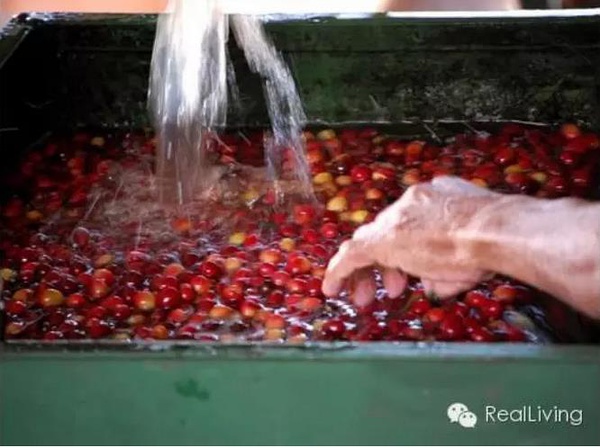
- Pulping: The ripe cherries are run through a depulper to remove the skin and most of the fruit flesh, leaving the beans coated in sticky mucilage.
- Fermentation: Beans with mucilage are soaked (either in water tanks or just ambient air) to let microbes break down the mucilage. This fermentation can take anywhere from a few hours to a full day, depending on conditions.
- Washing: After fermentation, any remaining mucilage is rinsed off under water. This step ensures the beans are clean before drying.
- Drying: The beans, still in their parchment, are dried to reach a moisture level of around 12%. This usually takes place on patios, raised beds, or sometimes mechanical dryers. Proper drying is crucial to avoid mold or over-fermentation.
- Resting: Dried parchment coffee is stored in sacks for 2–3 months. This resting period lets the beans stabilize, improving cup quality before hulling (removing the parchment) and export.
Where Washed Processing Happens
Because washed processing uses a lot of water—especially for soaking and washing—it’s most viable in regions with strong water access. That’s why it’s widely practiced in Central America (like Guatemala or Honduras), South America (Colombia, Brazil), and Africa (Ethiopia, Kenya, and yes—even Yirgacheffe). It’s less common in drier coffee-growing areas where water is scarce.
Washed Coffee Flavor Profile
The washed method is prized for producing coffees that taste clean, bright, and transparent. Thanks to the removal of the fruit early, the inherent qualities of the bean shine through. You’ll often get notes of citrus, green apple, jasmine, or white flower. The acidity is more defined, and the body tends to be lighter—but the clarity makes it ideal for showcasing origin character. That’s why many single-origin offerings from Kenya or Ethiopia use washed processing to highlight their signature floral and citrus profiles.
Frequently Asked Questions
What does 'washed coffee' actually mean?
Washed coffee refers to coffee beans that have had their outer cherry skin and fruit flesh removed before drying. This is done using water and fermentation to clean off the mucilage, leaving just the parchment-covered beans, which are then dried. The process highlights the bean’s intrinsic flavors, often resulting in a cleaner, brighter cup.
Why is the coffee cherry floated in water?
Coffee cherries are floated in water to sort them by ripeness. Ripe cherries are dense and sink; unripe, overripe, or defective cherries float and are skimmed off. This is the first quality control step in washed processing.

How long does washed coffee take to process?
From harvest to dry parchment, washed coffee processing typically takes 1–2 weeks. Fermentation may take a few hours to a full day, and drying the beans to 12% moisture can take 1–3 weeks depending on climate and method. Then the beans rest for 2–3 months before export.
Does washed coffee use a lot of water?
Yes, washed processing is water-intensive. It requires significant amounts of water for soaking, fermenting, and washing the mucilage off the beans. That’s why it’s mainly used in regions with abundant water resources, such as Central and South America and parts of Africa.
What’s the moisture level of washed coffee beans after drying?
Washed coffee beans are dried until they reach approximately 12% moisture content. This precise level is critical for proper storage, stability, and preventing mold or quality loss during transport and roasting.
Top FrontStreet Washed Process Coffee Beans
For a true taste of washed processing, try FrontStreet Coffee’s Yirgacheffe lot from the Gedeb Cooperative—known for its vibrant jasmine and citrus notes thanks to washed processing. Their Kenya Little Tomato is another standout, using double-washed techniques to boost juicy complexity with notes of tomato, plum, and blackcurrant. And for classic elegance, the Jamaica Blue Mountain No.1 is a washed coffee grown in a cool, cloudy climate where washing helps preserve clarity and balance, offering hazelnut, cream, and chocolate tones. All are excellent examples of how washed processing shapes flavor. Freshly roasted within 5 days · Orders placed before 17:00 ship the same day · Next-day delivery across most of Guangdong Province.
FrontStreet Coffee is a long-established specialty coffee roaster in Guangzhou China, selling freshly roasted beans from its own farm in Yunnan as well as dozens of carefully selected single-origin beans from around the world for both pour-over and espresso. The products deliver consistently excellent quality and great value, with shipping within 24 hours. Guangzhou's FrontStreet Coffee shop is recommended by many coffee lovers, and the beans are now available online at the Tmall 。
Important Notice :
前街咖啡 FrontStreet Coffee has moved to new addredd:
FrontStreet Coffee Address: 315,Donghua East Road,GuangZhou
Tel:020 38364473