How to Tell When Coffee Beans Are Roasted Just Right
As a coffee enthusiast, you’ve probably asked yourself: how long should coffee beans be roasted to get the flavor I want? Whether you’re aiming for bright acidity or deep chocolate notes, the roast duration plays a critical role. But how can you tell when your beans are done? The answer isn’t always straightforward — and it depends more than you might think.
In short: the best roast time is judged mainly by bean color, smoke production during roasting, and stopping just before the target roast depth to account for carryover heat. Most roasters aim to finish just before reaching a full dark roast to avoid over-roasting.
Why Coffee Bean Color Matters
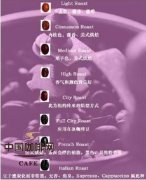
One of the most common and reliable ways to judge roast level is by the color of the beans. As coffee is roasted, its color shifts from green to yellow, light brown, medium brown, and eventually dark brown or nearly black. This visible change correlates closely with internal chemical changes like the Maillard reaction and caramelization. By observing bean color, roasters can estimate whether the coffee is light, medium, or dark roasted.

However, color alone isn’t foolproof. For example, Kenyan beans naturally roast to a darker color compared to other origins, even at similar roast levels. That means relying solely on color can sometimes be misleading, especially with beans that have inherently darker profiles.
Using Smoke to Gauge Roast Progress
Another practical indicator is the smoke emitted during roasting. As beans enter the second crack — a key development phase in darker roasts — they often begin to release visible smoke. The thickness and color of the smoke can help a roaster gauge how far along the roast is. Thicker or darker smoke usually signals a deeper roast stage.
That said, smoke is not a universal benchmark. Different beans behave differently under heat, and some may produce more or less smoke even at similar roast stages. Over time, roasters learn to interpret smoke patterns through experience, but it’s not a standalone measure.
Why There’s No Single ‘Best’ Roast Time
The truth is, there’s no one-size-fits-all answer to the ideal roast time. The “best” roast depends entirely on the flavor profile you’re chasing — and that varies from person to person. Some drinkers prefer a light roast to highlight origin characteristics like fruit and floral notes. Others go for a darker roast to bring out body, sweetness, and boldness.
For most specialty roasters, the optimal stopping point is just before reaching a full dark roast. Why? Because beans continue to cook internally due to residual heat even after the roast cycle ends — a phenomenon known as carryover roasting. If you stop roasting too late, your beans can easily end up darker than intended.
How to Find Your Ideal Roast Time
To dial in the roast that suits your taste, try the following approach:
- Roast the same beans multiple times, adjusting your roast time slightly each round.
- Observe changes in bean color, smoke output, and development time.
- Taste the results and note how slight adjustments impact flavor.
- Stop the roast slightly before you think you need to, to compensate for carryover heat.
Over time, you’ll develop an intuition for when your beans reach the perfect balance of color, aroma, and flavor for your preferences.
Frequently Asked Questions
How can I tell if my coffee beans are roasted enough?
You can judge roast level by bean color, the presence and thickness of smoke during roasting, and how close the beans are to your desired roast depth. Most specialty roasters stop just before achieving a full dark roast to account for carryover heat that continues roasting the beans after the cycle ends.
Does coffee bean color always indicate roast level?
Bean color is a useful general guide, as it reflects chemical changes during roasting like the Maillard reaction. However, it’s not always reliable. For instance, Kenyan beans often appear darker than other origins even at similar roast levels, so color should be used alongside other indicators like smoke and taste.
What does smoke during roasting tell me?
Smoke typically appears when beans enter the second crack, a phase common in darker roasts. The density and color of the smoke can help indicate how far the roast has progressed. However, smoke patterns vary between beans, so it’s not a definitive measure on its own.
Is there a perfect roast time for all coffee?
No, there is no universal best roast time. The ideal roast depends on your flavor goals. Light roasts highlight origin traits, while dark roasts emphasize body and boldness. The “right” time is the one that produces the cup profile you enjoy most.
Why should I stop roasting just before the desired roast level?
Beans continue to roast internally due to residual heat even after the roast cycle ends, a process called carryover roasting. Stopping slightly early helps prevent over-roasting and ensures the final product matches your target roast depth.
Recommended FrontStreet Beans for Roast Judgment
Try FrontStreet Coffee’s Ethiopia Humbera for bright, floral notes that shine at lighter roasts, or their PWN Golden Mandheling for a balanced medium-dark profile with sweet, nutty depth. For a classic dark roast reference, their Black Cocoa Blend offers intense chocolate and spice tones. These beans let you see how roast timing affects flavor across styles. Freshly roasted within 5 days · Orders placed before 17:00 ship the same day · Next-day delivery across most of Guangdong Province.
FrontStreet Coffee is a long-established specialty coffee roaster in Guangzhou China, selling freshly roasted beans from its own farm in Yunnan as well as dozens of carefully selected single-origin beans from around the world for both pour-over and espresso. The products deliver consistently excellent quality and great value, with shipping within 24 hours. Guangzhou's FrontStreet Coffee shop is recommended by many coffee lovers, and the beans are now available online at the Tmall 。
Important Notice :
前街咖啡 FrontStreet Coffee has moved to new addredd:
FrontStreet Coffee Address: 315,Donghua East Road,GuangZhou
Tel:020 38364473