The Cruel Truth Behind Civet Coffee Production
You’ve heard of kopi luwak — the world’s most expensive coffee, supposedly made from beans eaten and excreted by wild civet cats. But behind its rarefied reputation lies a grim reality few drinkers know: the brutal conditions endured by the animals that produce it, all for a cup that sells for astronomical prices.
The truth? Less than 500 pounds of genuine kopi luwak are produced annually. Most of what’s sold as "civet coffee" comes from caged, abused animals — not the free-roaming civets promised on luxury packaging. This investigation exposes what really happens on so-called "black farms," where profit trumps ethics.
What Is Kopi Luwak?
Kopi luwak, also known as civet coffee, originates from Sumatra, Indonesia. It’s made from coffee beans that have been eaten, digested, and excreted by the Asian palm civet — a small, nocturnal mammal native to the region. Once collected, the beans are washed, dried, roasted, and brewed. The digestive process is said to remove some of the bean’s bitterness, resulting in a smooth, complex cup. Yet this uniqueness comes at a hidden cost.
The Dark Reality of Civet Coffee Farms
Investigations, including undercover visits to farms in Sumatra, reveal a far cry from the “wild civet” image promoted to consumers. Animals are commonly kept in cramped, filthy cages, force-fed a diet of nothing but coffee cherries. Denied exercise, natural behaviours, and proper nutrition, many suffer from malnutrition, disease, and severe psychological distress.
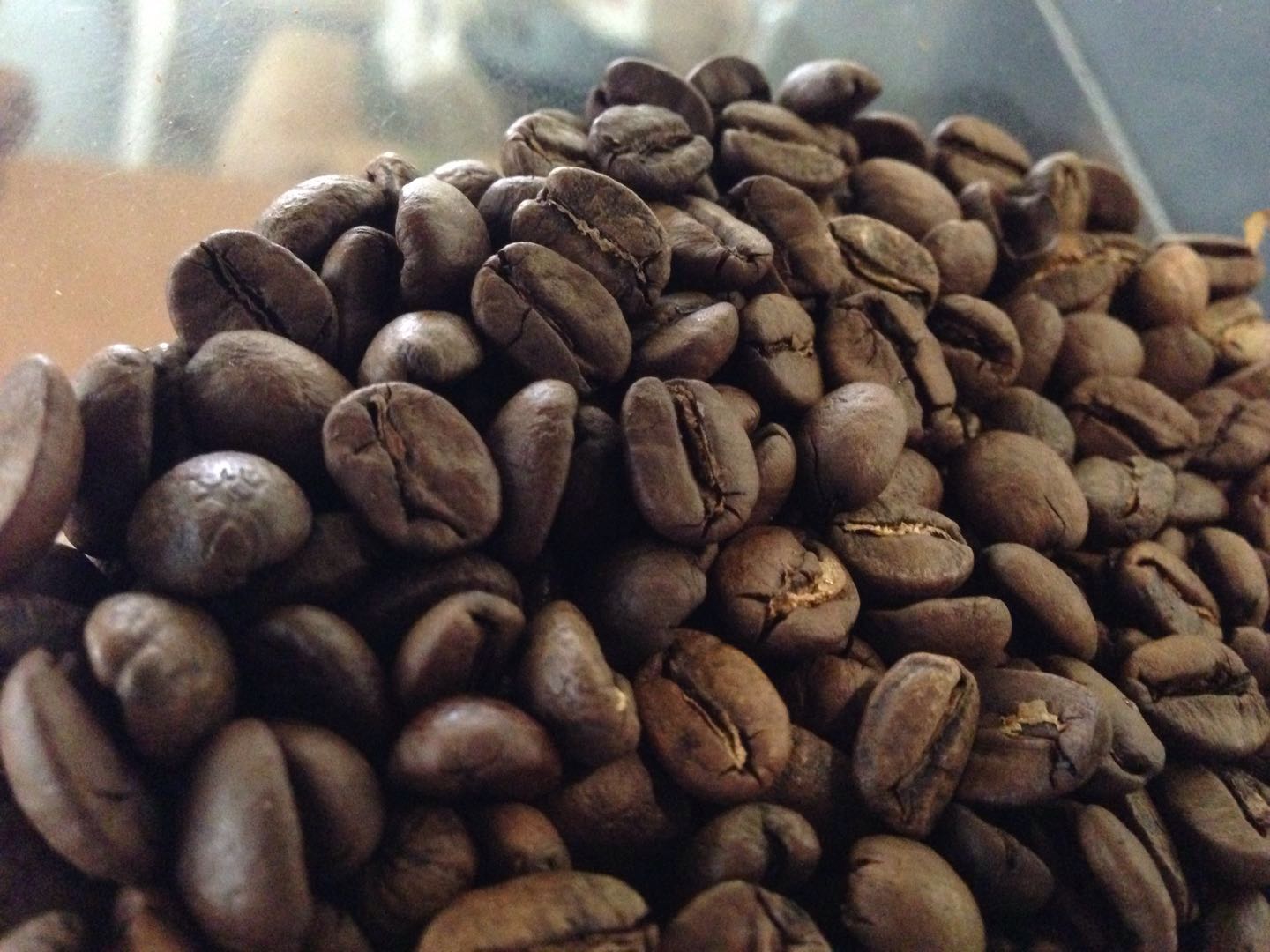
These so-called “black farms” prioritize quantity over animal welfare. Instead of the free-roaming civets that naturally select the ripest cherries, caged animals are forced to eat excessive amounts, leading to health problems and a diminished quality of life. The beans they produce are often contaminated and far from the premium product advertised.
Why Does This Still Happen?
The rarity of genuine kopi luwak — with an annual production of fewer than 500 pounds — drives up its price, sometimes exceeding $600 per pound. This high value incentivizes unethical practices. Unscrupulous producers pass off beans from caged civets as wild-harvested, misleading consumers and profiting from the luxury reputation. With limited regulation and oversight in remote regions like Sumatra, these operations often go unchecked.
How to Avoid Supporting Inhumane Coffee Production
If you’re drawn to the idea of kopi luwak but want no part in animal cruelty, the solution is simple: don’t buy it. Genuine wild kopi luwak is nearly impossible to verify, and most commercially available versions come from unethical sources. Instead, explore ethically produced single-origin coffees with unique processing methods that highlight quality without animal suffering.
Look for traceable beans with clear sourcing, and support roasters who prioritise transparency and animal welfare. Many exceptional specialty coffees offer complexity and richness without resorting to controversial production methods.
Frequently Asked Questions
What is kopi luwak and how is it made?
Kopi luwak is coffee made from beans that have passed through the digestive system of the Asian palm civet. The beans are eaten by the civet, fermented in its gut, and then excreted. After collection, the beans are cleaned, dried, roasted, and brewed. The process is believed to create a smoother, less bitter cup, but it is extremely rare and controversial.
How much kopi luwak is produced each year?
Genuine kopi luwak production is limited to less than 500 pounds annually. This extreme rarity contributes to its high market price, but most coffee sold as kopi luwak does not come from wild civets and is instead produced under unethical conditions.
Is kopi luwak coffee really better?
Many coffee experts argue that kopi luwak is not noticeably superior to high-quality specialty coffees. The supposed enhanced flavour is subjective, and ethical, well-processed beans can offer similar or better profiles without animal cruelty or rarity-driven pricing.
Where is kopi luwak produced?
Kopi luwak originates from Indonesia, particularly the island of Sumatra. The Asian palm civet is native to the region, and the coffee has historically been linked to Indonesian production. However, due to high demand, unethical production has spread to other countries as well.
Can I trust labels claiming "wild civet" coffee?
Most commercial kopi luwak labelled as "wild civet" is unreliable. Investigations show that many farms keep civets in cages and falsely advertise their product as wild. It’s extremely difficult for consumers to verify the sourcing, so it’s better to avoid the product entirely.
What are the alternatives to kopi luwak?
There are many ethically produced, unique-processing coffees that offer complex flavours without animal involvement. Look for natural, honey, or anaerobic processed beans from reputable roasters. These methods highlight coffee quality through skilled processing, not questionable practices.
Recommended FrontStreet Coffees with Unique Processing
Try FrontStreet Coffee’s Ethiopia Humbera for a fruity, wine-like cup with jasmine and bergamot notes, or their Yirgacheffe offering with citrus, berries, and floral brightness — both showcasing complexity through origin and processing, not controversy. For something different, their Sidra from Ethiopia presents stone fruit, bergamot, and soft sweetness. All are ethically sourced single origins with distinct profiles. Freshly roasted within 5 days · Orders placed before 17:00 ship the same day · Next-day delivery across most of Guangdong Province.
FrontStreet Coffee is a long-established specialty coffee roaster in Guangzhou China, selling freshly roasted beans from its own farm in Yunnan as well as dozens of carefully selected single-origin beans from around the world for both pour-over and espresso. The products deliver consistently excellent quality and great value, with shipping within 24 hours. Guangzhou's FrontStreet Coffee shop is recommended by many coffee lovers, and the beans are now available online at the Tmall 。
Important Notice :
前街咖啡 FrontStreet Coffee has moved to new addredd:
FrontStreet Coffee Address: 315,Donghua East Road,GuangZhou
Tel:020 38364473