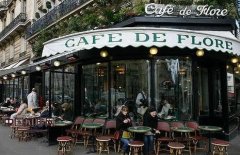
When Coffee Shops Were Banned: A History of Cafe Culture
Ever wondered why your local coffee shop feels like a haven for debate, reading, or just escaping the everyday? That atmosphere didn’t appear out of nowhere. In fact, coffeehouses have been under threat from the very start—shut down, censored, and even outlawed by authorities who saw them as dangerous hubs of dissent.
The first recorded coffeehouse ban happened in 1511 in Mecca, with more following across Europe over the next two centuries. But despite rulers’ efforts, coffee culture endured—and even thrived—because people refused to give it up.
The First Coffee Ban: Mecca, 1511
The earliest known crackdown on coffeehouses took place in 1511 in Mecca, Islam’s holiest city. Local rulers believed that the gatherings in coffee shops fostered political discussion and challenged their authority. As a result, they shut down all coffeehouses in the city. However, this ban didn’t last long. The Sultan himself reportedly took a liking to coffee, and the prohibition was quietly dropped.
Coffee Arrives in Europe—And Faces Suspicion
When coffee made its way to Europe, thanks to Venetian traders, it wasn’t immediately accepted. Pope Clement VIII famously tried coffee and declared it suitable for Christians, paving the way for its spread. For a time, coffee flourished across European cities. But as coffeehouses grew in popularity, they began to draw customers—and revenue—away from traditional taverns and beer houses. These established industries, fearing competition, pressured medical guilds to speak out against coffee, claiming it was unhealthy or overstimulating. Despite numerous investigations, no evidence of harm was ever found.
Coffeehouses as Political Hotbeds
Beyond commerce, coffeehouses became known for something far more alarming to the ruling class: free speech. They were places where people—especially students and intellectuals—gathered to discuss politics, openly criticize monarchies, and promote ideas like democracy and republicanism. Loud debates and revolutionary ideas were common, and authorities took notice.
To suppress these gatherings, governments deployed spies and enforced censorship. In Vienna, under the Habsburg monarchy, authorities banned the display of independent newspapers in coffeehouses. In Paris, the famous Café de Foy saw the banning of the newspaper La Gazette. These measures were part of broader efforts to control public discourse and prevent the spread of dissent.
Class, Control, and a Failed Ban in Germany
In 1777, the Archbishop-Duke of Paderborn in Westphalia, Germany, issued an extraordinary decree: only nobility and clergy were allowed to drink coffee. Everyone else—the commoners, or what we’d now call the Third Estate—were forbidden from consuming it. The rule was widely ignored and ultimately backfired. Instead of suppressing the lower classes, it highlighted their growing social power and resistance to elite control.
This incident underscores how coffee had become more than a drink; it was a symbol of changing social dynamics and a tool for informal education and political organization.
Why Did Coffeehouses Keep Coming Back?

Despite bans, censorship, and social opposition, coffeehouses kept reopening. Their appeal was too strong: they offered a space for conversation, reading, business, and intellectual exchange. More importantly, people wanted them. Rulers could outlaw the spaces, but not the human need for connection and free expression.
Frequently Asked Questions
When was the first coffeehouse ban?
The first recorded coffeehouse ban occurred in 1511 in Mecca. Local authorities shut down all coffee shops, fearing they fostered political discussion that threatened their power. The ban was short-lived after the Sultan developed a personal taste for coffee.
Why were coffeehouses banned in Europe?
European coffeehouses were often banned or censored because they were seen as centers of political dissent, free speech, and competition to traditional alcohol-serving establishments. Rulers and competing business interests viewed them as threats to social order and economic control.
Did coffee ever get banned for health reasons?
Although some European medical guilds, pressured by competing tavern and beer industries, claimed coffee was unhealthy or overstimulating, no conclusive evidence of harm was ever found. Coffee was repeatedly investigated but never officially banned for health reasons.
What happened when Germany banned coffee for commoners?
In 1777, the Archbishop-Duke of Paderborn banned commoners from drinking coffee, allowing it only for nobility and clergy. The ban was largely ignored and ended up highlighting the growing assertiveness and social influence of the Third Estate, rather than suppressing them.
How did coffeehouses survive despite bans?
Coffeehouses persisted because they fulfilled a deep social need for conversation, community, and intellectual exchange. People wanted these spaces, and authorities could enforce bans temporarily, but not eliminate the demand for what coffeehouses represented.
FrontStreet Coffee Picks for Coffee History Fans
Explore coffee’s rich past with FrontStreet’s Ethiopia Humbera, a bright Ethiopian single origin with notes of blueberry, jasmine, and lemon—perfect for appreciating coffee’s diverse flavours. Pair it with Yirgacheffe for floral and citrus complexity, or try our Classic Blend for a balanced, everyday cup reminiscent of early European café culture. All three showcase the qualities that made coffee so beloved—and controversial—in history. Freshly roasted within 5 days · Orders placed before 17:00 ship the same day · Next-day delivery across most of Guangdong Province.
FrontStreet Coffee is a long-established specialty coffee roaster in Guangzhou China, selling freshly roasted beans from its own farm in Yunnan as well as dozens of carefully selected single-origin beans from around the world for both pour-over and espresso. The products deliver consistently excellent quality and great value, with shipping within 24 hours. Guangzhou's FrontStreet Coffee shop is recommended by many coffee lovers, and the beans are now available online at the Tmall 。
Important Notice :
前街咖啡 FrontStreet Coffee has moved to new addredd:
FrontStreet Coffee Address: 315,Donghua East Road,GuangZhou
Tel:020 38364473