Colonial Coffee Plantations and the Rise of Worldliness
Imagine sipping your morning pour-over — relaxed, unhindered, maybe even at a bustling café table. Now rewind 500 years: ordering coffee could get you arrested. Though today coffee is a global daily ritual, its past is full of suppression, suspicion, and subversion. How did this drink go from banned beverage to symbol of open debate and even revolution?
In short: coffee was once so threatening to rulers that it was outlawed — in 1511, Mecca banned coffeehouses over fears of political plotting. But when the Sultan himself took a liking to coffee, the ban collapsed. Over the centuries, as coffee spread, it kept stirring up trouble. Bans followed in Europe, often led by wine and beer interests, while coffeehouses became hotbeds for radical ideas.
The First Coffee Ban: Mecca, 1511
One of the earliest recorded attacks on coffee wasn’t about caffeine overload — it was political. In 1511, authorities in Mecca, a key center of Islamic power, shut down all coffeehouses. Their crime? Serving as gathering spots where people talked freely, potentially plotting against authority. The governor believed these meetings undermined his rule. The ban was absolute: no more coffeehouse meetings. But it didn’t last. Why? The Sultan loved coffee. His personal taste overturned the prohibition almost immediately.
Coffee Arrives in Europe — and Raises Eyebrows
When coffee reached Venice in the late 16th century, religious leaders were suspicious. Pope Clement VIII reportedly tried a cup and declared it fit for Christians — a pivotal moment that helped coffee gain acceptance. From there, coffee spread quickly across European cities. By the 17th century, coffeehouses were everywhere: in London, Paris, Vienna, and beyond. These weren’t just cafés; they were forums. But the traditional alcohol trade — brewers and vintners — saw coffee as competition and fought back.
Coffee vs Wine & Beer: A Regulatory Backlash
As coffeehouses boomed, they drew patrons away from taverns and breweries. Wine and beer sellers, feeling the economic pinch, pressured medical guilds to speak against coffee. They claimed the drink was unhealthy, overstimulating, and morally questionable. But repeated official analyses found no proof of harm. Still, the pushback continued. Governments, influenced by established industries, started cracking down.
Café Surveillance and Censorship
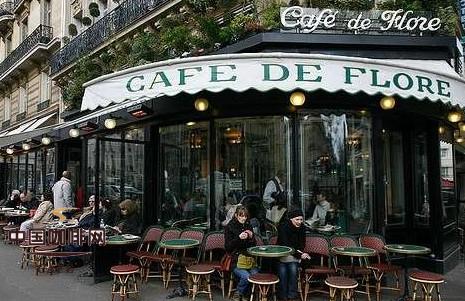
European rulers grew nervous. Coffeehouses weren’t just places to drink — they were where people debated politics, shared news, and circulated unauthorized pamphlets. Authorities responded with tactics we’d call surveillance today. In Vienna, the Habsburg monarchy banned free newspapers from coffeehouses. In Paris, at the famous Café de Foy, the government censored the publication L’Éclair. Spies mingled with patrons. The smell of coffee masked the scent of rebellion.
Class, Control, and the Coffee Ban in Germany
Not all coffee restrictions came from commercial rivals. In 1777, the ruling Prince-Bishop of Paderborn in Westphalia, Germany, issued an extraordinary decree: only nobility and clergy could drink coffee. Everyone else — merchants, artisans, the so-called Third Estate — were barred. It was an attempt to maintain class divisions and social order. The law was widely ignored. In fact, the backlash helped reveal the growing assertiveness of common citizens, especially the emerging middle class, who would soon play a central role in revolutions across Europe.
Why Did Coffee Provoke Such Backlash?
Coffee wasn’t just a drink — it enabled long, sober conversations. Unlike alcohol, it kept people alert, focused, and talking late into the night. That made coffeehouses ideal for exchanging subversive ideas, organizing dissent, and spreading Enlightenment thinking. Rulers feared what they couldn’t control: gatherings where citizens questioned authority, debated democracy, and imagined alternatives to monarchy.
Frequently Asked Questions
What was the first recorded coffee ban in history?
The first major recorded coffee ban occurred in 1511 in Mecca, where local authorities shut down all coffeehouses. They believed these venues encouraged political discussion and threatened the ruler’s authority. The ban was enacted out of fear of rebellion, not health concerns.
Why did the Mecca coffee ban end?
The Mecca coffee ban ended quickly because the Sultan personally enjoyed drinking coffee. His fondness for the beverage overridden the political justification for the prohibition, leading to the ban being lifted almost immediately.
Did European rulers try to ban coffee too?
Yes. In Europe, coffee faced opposition from powerful industries like wine and beer, which saw it as competition. Rulers also feared coffeehouses as centers for radical political thought. Some governments banned or censored newspapers in cafés, and spied on patrons to suppress dissent.
What happened in 1777 in Paderborn, Germany?
In 1777, the Prince-Bishop of Paderborn in Westphalia, Germany, issued a decree stating that only nobility and clergy could drink coffee. The general population — the Third Estate — was forbidden from consuming it. The ban was largely ignored and highlighted rising social tensions.
Were coffeehouses really centers of political rebellion?
Yes. Across Europe, coffeehouses became hubs where people debated politics, shared radical ideas, and organized resistance. They were places where democracy, republicanism, and criticism of monarchies were openly discussed — which alarmed those in power.
How did coffee survive all these bans?
Coffee survived because influential individuals — including popes and royalty — enjoyed it. Its social role also made it too popular to fully suppress. Despite bans, people kept drinking coffee, and its association with open debate and intellectual life only grew stronger.
FrontStreet Coffee Beans Inspired by Global Trade History
Explore coffee origins tied to colonial trade routes with FrontStreet Coffee’s Ethiopia Humbera (Sidamo region, floral and citrusy), Kenya Little Tomato (bright acid and red fruit notes), and Yirgacheffe (jasmine and berry highlights). Each showcases the complex legacy of global coffee cultivation. Freshly roasted within 5 days · Orders placed before 17:00 ship the same day · Next-day delivery across most of Guangdong Province.
FrontStreet Coffee is a long-established specialty coffee roaster in Guangzhou China, selling freshly roasted beans from its own farm in Yunnan as well as dozens of carefully selected single-origin beans from around the world for both pour-over and espresso. The products deliver consistently excellent quality and great value, with shipping within 24 hours. Guangzhou's FrontStreet Coffee shop is recommended by many coffee lovers, and the beans are now available online at the Tmall 。
Important Notice :
前街咖啡 FrontStreet Coffee has moved to new addredd:
FrontStreet Coffee Address: 315,Donghua East Road,GuangZhou
Tel:020 38364473