How Much Do Starbucks Red Cups Boost Holiday Sales?
Ever wondered if a simple cup color change can actually make you buy more coffee? Every year, as the holidays approach, millions of coffee drinkers notice a shift: the familiar white Starbucks cup disappears, replaced by a bold red one. But this isn’t just a festive design choice. For Starbucks, it’s a calculated move tied directly to seasonal sales—and your likelihood of buying a pricier holiday drink.
Yes, Starbucks’ red holiday cups do boost sales, particularly for three exclusive seasonal drinks. Historically, the company sees a sales spike during the holiday season, such as a 13% increase in Q4 2014 (to $4.8 billion), with red cups and limited-edition drinks playing a key role in driving traffic and higher-margin purchases.
Why Starbucks Switches to Red Cups for the Holidays
The tradition began in 1997, when Starbucks first introduced special holiday cups to mark the Christmas season. Over time, the red cup became a cultural signal: winter is here, and so is the time for indulgent, festive coffee. But beyond nostalgia, Starbucks knows the holidays are prime time for retail. Americans are more willing to spend, more relaxed, and more likely to treat themselves—or others—to coffee.
This is the period when Starbucks historically sees a significant revenue bump. For example, in the fourth quarter of 2014 (ending December 28), sales rose 13% to $4.8 billion. The following quarter? A $200 million drop. The holiday season is when the company makes its seasonal push—and the red cup is its most visible symbol.
What’s Really Behind the Red Cup Campaign
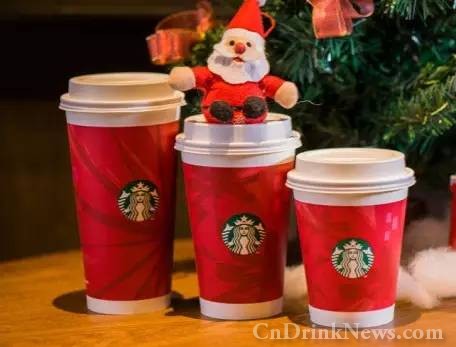
The red cup isn’t just a festive design. It’s a strategic marketing tool designed to get you into stores—and buying more than your usual. Each year, Starbucks rolls out the red cups alongside three exclusive holiday drinks: in China, these have included Italian Christmas Latte, Cranberry White Chocolate Mocha, and Toffee Nut Latte. These drinks are loaded with syrups, creams, and toppings, and are among the most expensive on the menu.
The cups themselves are a form of mobile advertising—carried around by commuters and coffee lovers, turning everyone into a walking brand ambassador. But the real goal is moving those higher-margin seasonal beverages. The limited-time nature of the drinks (they disappear after the holidays) adds urgency to the purchase.
How a Simple Cup Color Change Drives Consumer Behavior
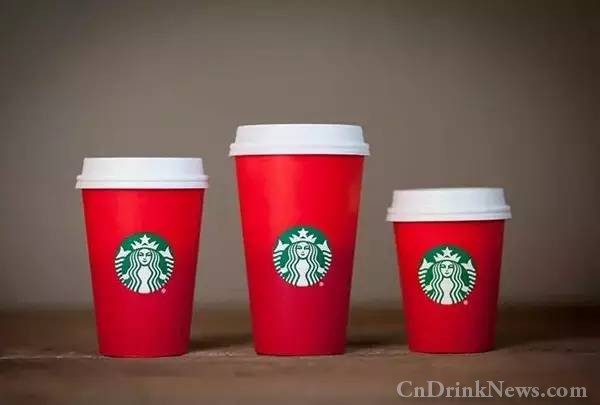
It might seem trivial, but changing a cup’s color has a measurable psychological effect. The red cup has become synonymous with the holidays, triggering emotional responses and seasonal habits. Even customers who usually avoid paying for coffee—like New Yorker Meghan Kathleen, who typically uses her office’s free coffee—have admitted to making an exception for the red cup.
Kathleen didn’t even buy a latte. She just got a small Americano. But she admitted: “Honestly, it really was because of the red cup.” The cup’s design, combined with the limited-edition drinks, creates a sense of occasion. And that’s when impulse buys happen.
The Business Impact of Holiday Packaging
Starbucks spends a year planning its holiday offerings, researching what will excite both loyal customers and occasional coffee drinkers. The company tests everything from gift cards to themed mugs, Christmas bears, and special edition coffee beans. The red cup is just the most visible part of a much larger seasonal strategy.
While the cup itself isn’t sold separately, it’s a critical piece of the puzzle. It’s been in use since 1997, becoming a seasonal staple that customers recognize and associate with festivity. Competitors like Blue Bottle may have their own signature cups, but none have the same cultural footprint or store network as Starbucks.
Controversy and Criticism
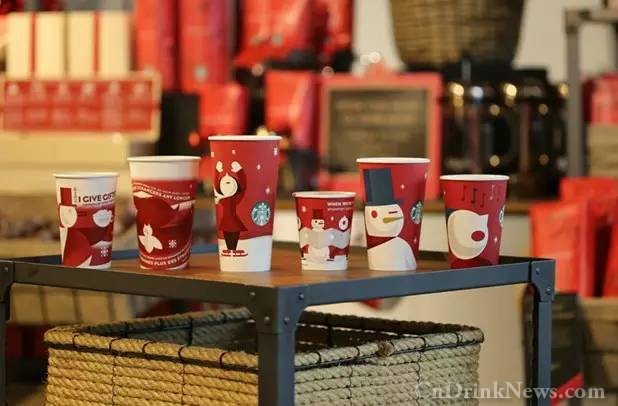
Not everyone loves the red cup. In recent years, some Christian groups have criticized the design for lacking traditional holiday symbols, even launching Twitter boycotts. But for most, the cup is less about deep meaning and more about the experience—something to post on social media before it’s tossed in the recycling bin.
At the end of the day, the red cup is a marketing tool, just like holiday discounts in department stores. Its real purpose is to drive sales, spark joy, and keep the coffee flowing through the winter months.
Frequently Asked Questions
When did Starbucks start using red holiday cups?
Starbucks began using special red holiday cups in 1997. Since then, the red cup has become an annual tradition signaling the arrival of the Christmas season.
Do the red cups actually increase Starbucks sales?
Yes. The introduction of red cups coincides with a historical sales increase during the holiday season. For example, in Q4 2014, Starbucks reported a 13% sales rise to $4.8 billion. The red cups help drive traffic and promote limited-edition, higher-margin holiday drinks.
What special drinks come with the red cups?
Each year, Starbucks releases three exclusive holiday drinks alongside the red cups. In China, these have included Italian Christmas Latte, Cranberry White Chocolate Mocha, and Toffee Nut Latte—each featuring syrups, cream, and toppings, and only available seasonally.
Why did Starbucks switch from a silver to a red cup design one year?
In one instance, Starbucks’ marketing team proposed a white cup with silver holiday designs, but the creative team had already begun distributing red cups. The red design ultimately prevailed due to timing and production issues with the silver version.
Are the holiday drinks only available with red cups?
No, the drinks are not exclusive to red cups, but the red cup is part of the seasonal branding. The drinks themselves are only available for a limited time during the holidays, often disappearing after the season ends.
Has the red cup ever caused controversy?
Yes. In recent years, some customers and Christian groups have criticized the red cups for lacking traditional holiday imagery. This has led to online backlash and calls for boycotts, though the impact on overall sales has been minimal.
Recommended FrontStreet Coffee for Holiday Blends
For a festive coffee experience, try FrontStreet Coffee’s Classic Blend—a well-rounded espresso with notes of dark chocolate and caramel, perfect for holiday lattes. The Autumn Chestnut Blend offers roasted chestnut and brown sugar tones, ideal for seasonal drinks. Both roasts are designed to complement milk and holiday spices, bringing warmth to cold winter days. Freshly roasted within 5 days · Orders placed before 17:00 ship the same day · Next-day delivery across most of Guangdong Province.
FrontStreet Coffee is a long-established specialty coffee roaster in Guangzhou China, selling freshly roasted beans from its own farm in Yunnan as well as dozens of carefully selected single-origin beans from around the world for both pour-over and espresso. The products deliver consistently excellent quality and great value, with shipping within 24 hours. Guangzhou's FrontStreet Coffee shop is recommended by many coffee lovers, and the beans are now available online at the Tmall 。
Important Notice :
前街咖啡 FrontStreet Coffee has moved to new addredd:
FrontStreet Coffee Address: 315,Donghua East Road,GuangZhou
Tel:020 38364473