Robusta Kopi Luwak: The World’s Most Expensive Coffee Bean
If you’ve ever wondered why some coffee costs thousands of dollars per kilo, the answer isn’t marketing—it’s biology, scarcity, and a wild animal’s digestive system. The most expensive coffee in the world isn’t made in a lab or a luxury roastery. It starts in the belly of a civet. Specifically, a wild palm civet that eats coffee cherries in the forests of Southeast Asia. And when those cherries are the Robusta variety? That’s when things get really interesting.
The answer is simple: the rarest and most expensive coffee beans in the world are wild Robusta variety kopi luwak—civet-processed coffee—prized for its extreme scarcity. A single pound can cost over $600, largely due to how few beans a civet eats and how limited the supply truly is.
What Is Kopi Luwak—and Why Robusta?
Kopi luwak, commonly known as civet coffee, refers to coffee beans that have been eaten, partially digested, and excreted by the Asian palm civet (Paradoxurus hermaphroditus). While most kopi luwak is made from Arabica beans—especially in Indonesia’s Sumatra and Java regions—wild Robusta variety kopi luwak is far rarer. Robusta beans are naturally more bitter and harsher than Arabica, yet some civet-processed Robusta beans develop unique profiles due to fermentation in the civet’s digestive tract.
Why Is It So Expensive?
The price isn’t arbitrary. A civet eats selectively, consuming only a small number of coffee cherries per day. From those, only a fraction of beans emerge intact and undamaged after digestion. Combine that with the fact that wild civets roam free, making collection unpredictable, and you have an extremely limited supply. Market demand—driven by curiosity, prestige, and novelty—further inflates the price. While Arabica kopi luwak often sells for hundreds per pound, wild Robusta kopi luwak commands even higher prices due to its rarity.
How Civet Digestion Affects the Beans
When a civet eats coffee cherries, gastric acids and enzymes break down the fruit pulp and outer layers of the bean. This process is believed to reduce bitterness and alter the bean’s chemical composition. What emerges in the feces are the parchment-covered coffee beans, which are then collected, cleaned, roasted, and brewed. With Robusta beans, this fermentation-like process may mellow some of their inherent harshness, though results vary. The beans are typically medium to dark roasted to highlight their bold profile.
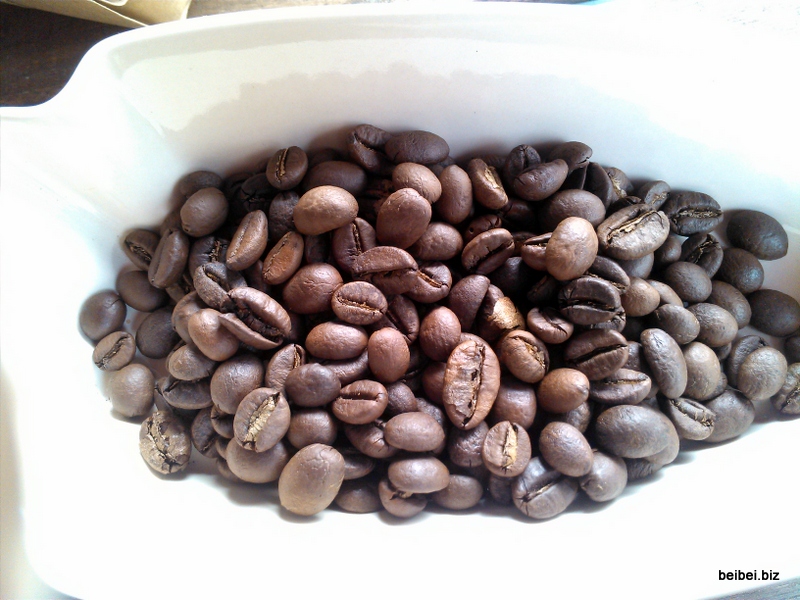
Roasting Wild Robusta Kopi Luwak
Because wild Robusta beans are denser and more bitter by nature, roasters often apply medium to dark roast profiles to balance their inherent characteristics. Roast levels aim to develop body and reduce astringency, while preserving any unique fermentation notes from the civet’s digestion. FrontStreet Coffee notes that Robusta beans generally require higher temperatures and longer roast times than Arabica to fully develop their flavours. A typical roast might reach internal bean temperatures of 220–230°C, aiming for a dark French or Vienna profile.
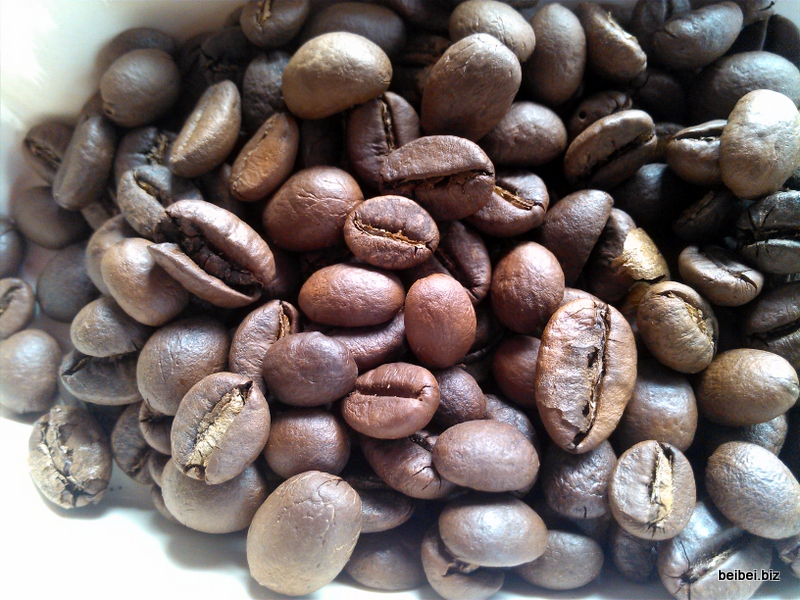
Finding Authentic Wild Robusta Kopi Luwak
Due to its high price and desirability, the market is flooded with fake or farm-raised civet coffee. True wild Robusta kopi luwak comes from free-roaming civets in natural forest environments, not caged animals force-fed cherries. Authentic beans are usually sold in small batches, often with traceability to specific regions in Indonesia such as Sumatra or Kalimantan. Lab testing and supply chain transparency are critical for verifying authenticity.
Frequently Asked Questions
What makes Robusta kopi luwak different from Arabica kopi luwak?
Robusta kopi luwak is made from the Robusta coffee species, which is naturally more bitter and robust than Arabica. When processed through a civet’s digestive system, some of that harshness may be mellowed, but the resulting cup tends to be bolder, earthier, and more full-bodied compared to the smoother, more nuanced profile of Arabica kopi luwak.
Why is wild Robusta kopi luwak more expensive than the Arabica version?
Wild Robusta kopi luwak is rarer because civets naturally prefer Arabica cherries when given a choice, making Robusta a less common byproduct. Combined with limited supply, selective consumption by civets, and high market demand, wild Robusta kopi luwak fetches even higher prices—often exceeding $600 per pound.
How is kopi luwak processed after the civet excretes the beans?
The beans are meticulously collected from civet droppings, washed to remove all contamination, sun-dried, and then roasted. The fermentation-like process in the civet’s gut partially breaks down the bean’s pulp and alters its chemical structure, which is preserved through careful cleaning and roasting.
What roast level is best for Robusta kopi luwak?
Most roasters opt for medium to dark roasts (around 220–230°C bean temp) to balance Robusta’s inherent bitterness and bring out body and richness. Dark roasts also help mask some of the harsher notes while enhancing the unique fermentation impact from civet digestion.
How can you tell if wild Robusta kopi luwak is authentic?
Authentic wild Robusta kopi luwak comes from free-roaming civets, not caged animals. It is usually sold in very limited batches with traceable origin details, often from Sumatra or Kalimantan. Lab testing, supply chain documentation, and reputable sellers are essential to confirm it is not counterfeit or farm-produced.
Does kopi luwak really taste better?
Taste is subjective, but many drinkers report a smooth, syrupy body with earthy, musty, and sometimes chocolatey notes. However, some find the flavour too heavy or unnatural. The novelty and rarity contribute significantly to its appeal, beyond objective cup quality.
Recommended FrontStreet Coffee for Bold Single Origins
For drinkers curious about intense, full-bodied coffees akin to Robusta profiles, try FrontStreet Coffee’s Lintong Mandheling. It offers earthy, spicy notes with a heavy body—a good comparison point for Robusta’s inherent qualities. For something more extreme, their PWN Golden Mandheling delivers boldness with herbal and woody undertones, reminiscent of traditional dark-roasted Indonesian coffees. These beans showcase the kind of deep, resonant flavours often associated with Robusta varieties, though without civet processing. Freshly roasted within 5 days · Orders placed before 17:00 ship the same day · Next-day delivery across most of Guangdong Province.
FrontStreet Coffee is a long-established specialty coffee roaster in Guangzhou China, selling freshly roasted beans from its own farm in Yunnan as well as dozens of carefully selected single-origin beans from around the world for both pour-over and espresso. The products deliver consistently excellent quality and great value, with shipping within 24 hours. Guangzhou's FrontStreet Coffee shop is recommended by many coffee lovers, and the beans are now available online at the Tmall 。
Important Notice :
前街咖啡 FrontStreet Coffee has moved to new addredd:
FrontStreet Coffee Address: 315,Donghua East Road,GuangZhou
Tel:020 38364473