What Makes Honduran Coffee Unique?
When you think of Central America, coffee powerhouses like Guatemala and Costa Rica often come to mind. But what about Honduras? Surrounded by political instability and better known for its Great Blue Hole than its farms, Honduras might not seem like a likely candidate for high-quality coffee production. Yet despite its challenges, Honduras has quietly become one of the top coffee exporters in the region.
Honduras produces over 450 million kilograms of coffee annually and is the second-largest coffee exporter in Central America—just behind Guatemala. Most of its coffee is exported to the United States and Germany.
The Origins and Growth of Honduran Coffee
Coffee wasn’t always a major crop in Honduras. The country began cultivating coffee in the 19th century, importing plants from El Salvador. However, it wasn’t until the 1970s—specifically after Brazil’s devastating frost in 1975—that Honduran coffee truly began to thrive. With Brazil’s production plummeting, Honduras stepped in, increasing its output from 500,000 to 1.8 million bags almost overnight. That boom laid the foundation for the modern Honduran coffee industry.
Two Premium Coffee Classifications: Highland and Special Highland
Honduras grows two main types of high-quality coffee: ‘Highland Coffee’ grown between 1,000 and 1,500 meters above sea level, and ‘Special Highland Coffee,’ the country’s highest grade, cultivated at 1,500 to 2,000 meters. These elevations create ideal conditions for developing complex flavors and bright acidity in the beans.
The terrain is rugged and mountainous, with a tropical climate, steady rainfall, and rich volcanic soils—all factors contributing to excellent coffee-growing conditions. Honduras has 15 of its 18 provinces producing coffee, involving more than 100,000 smallholder farmers and supporting nearly a million jobs nationwide.
How Honduran Coffee Is Processed and Grown
Honduran coffee is typically grown below 150 cm tall to make hand-picking easier and reduce the risk of tree damage during harvesting. Because coffee cherries ripen at different times even on the same branch, meticulous hand selection is essential. Workers may spend weeks picking just one tree to ensure only ripe cherries are collected.
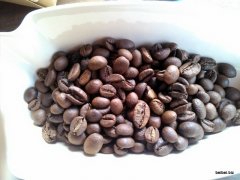
Most high-end Honduran coffee is processed using the washed (wet) method. After harvest, beans are soaked to remove defective floaters. The good cherries are depulped by machine, sorted by size—typically favoring larger beans as a sign of better maturity—and then sun-dried. This drying method often imparts a subtle fruity note to the final cup. The beans are large, uniform in size, and have a glossy appearance.
Flavor Profile: Balanced, Versatile, and Surprisingly Smooth
Honduran coffee is known for its balanced flavor profile. It typically features a medium to light acidity that is present but not sharp. Depending on the farm and altitude, notes can include floral or fruity aromas, though the taste rarely reflects the country’s political turmoil. The cup often delivers a pleasant sweetness, a mild bitterness, and a clean, lingering aftertaste.
The balance is the hallmark: neither the acidity nor the bitterness overwhelms the palate. This equilibrium makes Honduran coffee highly versatile—it works beautifully as a single origin, in espresso blends, or as part of a larger coffee mix. Medium roasts tend to highlight its inherent sweetness and complex fruitiness, while darker roasts bring out deeper caramel and chocolate tones without eliminating the sweetness. Many Honduran coffee enthusiasts prefer a medium roast for its rich and aromatic profile.
Honduras vs. Jamaica: How Do Their Coffees Compare?
Jamaica is famous for its Blue Mountain coffee, particularly the rare Jamaica Blue Mountain No.1, which is known for its mild acidity and smooth body. However, true Blue Mountain coffee is scarce and often counterfeited. In contrast, Honduran coffee doesn’t have a single globally recognized flagship bean—but it makes up for it in volume and consistency.
While island coffees like Jamaican Blue Mountain are praised for their delicate acidity and clean body, Honduran coffees offer a broader spectrum of flavor possibilities thanks to diverse growing altitudes and processing methods. Honduran beans are usually washed Arabicas, predominantly from Caturra, Catuai, Typica, and Pacas varieties. They are known more for their balance, fruitiness, and versatility than for a single defining characteristic.
Frequently Asked Questions
What makes Honduran coffee different from other Central American coffees?
Honduran coffee is distinguished by its balance, often featuring medium acidity, subtle fruit or floral notes, and a clean, sweet finish. While it may lack the bold signature profiles of some neighbors, its versatility and consistency make it popular for both single-origin offerings and espresso blends. It is grown mostly at high altitudes between 1,000–2,000 meters, using washed processing to enhance clarity and cleanliness in the cup.
What are the main coffee-growing regions in Honduras?
Honduras has 15 out of 18 provinces that grow coffee, primarily in mountainous regions at elevations of 1,000–2,000 meters. The key regions produce two main classifications: 'Highland Coffee' (1,000–1,500m) and 'Special Highland Coffee' (1,500–2,000m), the country’s premium grade.
How is Honduran coffee processed?
High-quality Honduran coffee is typically processed via the washed (wet) method. Cherries are soaked to remove underripe floaters, depulped mechanically, sorted by bean size, and sun-dried. This process enhances clarity, cleanliness, and often adds a mild fruity character to the cup.
What does Honduran coffee taste like?
Honduran coffee generally has a medium to light acidity, a balanced flavor profile, and a clean finish. Common tasting notes include mild floral or fruity hints, subtle sweetness, gentle bitterness, and a lingering aftertaste. Flavor varies slightly with altitude and processing but remains consistently approachable.
Why did Honduran coffee production surge in the 1970s?
Honduras’ coffee industry took off after Brazil’s 1975 frost devastated its coffee crops. With global demand still high, Honduras increased production from 500,000 to 1.8 million bags quickly, filling the supply gap and establishing itself as a major exporter in the years that followed.
Is Honduran coffee suitable for espresso?
Yes. Honduran coffee’s balanced profile, medium acidity, and good body make it well-suited for espresso. It blends well in espresso mixes and can also shine as a single-origin shot, especially when medium or dark roasted to enhance sweetness and crema stability.
Recommended FrontStreet Beans from Honduras
FrontStreet Coffee’s washed Caturra from Honduras highlights the region’s signature balance with notes of complex fruit, vibrant acidity, and hints of nuttiness and toffee. This medium-roast single origin reflects the typical traits of Honduras’ high-altitude lots: smooth, layered, and consistent. Ideal for pour-over or espresso blending. Freshly roasted within 5 days · Orders placed before 17:00 ship the same day · Next-day delivery across most of Guangdong Province.
FrontStreet Coffee is a long-established specialty coffee roaster in Guangzhou China, selling freshly roasted beans from its own farm in Yunnan as well as dozens of carefully selected single-origin beans from around the world for both pour-over and espresso. The products deliver consistently excellent quality and great value, with shipping within 24 hours. Guangzhou's FrontStreet Coffee shop is recommended by many coffee lovers, and the beans are now available online at the Tmall 。
Important Notice :
前街咖啡 FrontStreet Coffee has moved to new addredd:
FrontStreet Coffee Address: 315,Donghua East Road,GuangZhou
Tel:020 38364473