How to Tell Good Coffee Beans from Bad
Ever stared at a coffee menu or bag of beans and wondered how to tell if it’s any good—or just marketing hype? You're not alone. Most guides dive into SCAA/SCAE cupping forms, flavor wheels, or Agtron numbers, but let’s be honest: if you just want a decent cup, that’s too much. So what really makes a coffee ‘good’—and how do you know before you buy?
Here’s the quick answer: good coffee should first be smooth and free of off-flavors—no harsh bitterness, no astringency, no weird chemical or grassy notes. Beyond that, it can be interesting or rare—but start with something that just tastes good to drink.
1. Start With a Cup That’s Just Easy to Drink
For most people, good coffee means it goes down easily. Forget scoring sheets. Think about Brazil’s traditional grading system, which cups beans on mouthfeel and clarity. The top grades are:
- Strictly Soft – extremely smooth
- Soft – pleasant and mellow
- Softish – reasonably smooth
- Hard – rough or unpleasant
- Rio – with harsh iodine-like tones
A truly good cup avoids the usual offenders: boring bitterness (not the good kind), dry astringency, asphalt or rubbery notes (often from over-roasted or poorly handled beans), grassiness (common in underdeveloped light roasts), and sourness that makes you wince. A few well-executed quality controls help a lot: a decent origin with balanced processing, an appropriate roast level, and at least two rounds of hand sorting (most specialty beans already have less than 1% defects). That’s how you get a coffee that doesn’t make you cringe.
2. Go Deeper: Look for Interesting Flavour, Not Just Perfection
If you’re starting to enjoy coffee beyond the basics, aim for beans that excite your palate. Single-origin fans know the thrill: Yirgacheffe might hit you with citrus and jasmine, while Mandheling offers herbal and woody complexity. Natural or honey processed beans bring wild, fruity, or funky notes you won’t find in basic blends.

You don’t need to splurge on auction lots. A smarter move? Try COE-winning farms—but skip the priciest lots. Japanese roaster Tadao Ueda famously bought lower-ranked COE coffees at a fraction of the price, and still got excellent quality. Another tip: build relationships with importers or local roasters who source directly from origin. They often have access to great non-competition lots. Buy five to ten different ones, and you’ll likely find a gem without spending a fortune.
3. Then There’s the Truly Rare Stuff—But Is It Worth It?
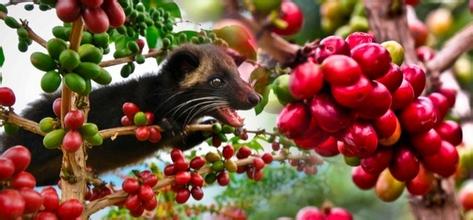
Some coffees aren’t just good—they’re legendary, like Geisha, which blew everyone away with its jasmine-tea-like profile. Its sky-high price isn’t just about taste; it’s about rarity. The original mutation had almost no commercial plantings, so supply is tight. Other “rare” coffees? Let’s not forget things like kopi luwak. Much of what’s sold is fake—just flavored starch. The real stuff? Ethically dubious and not necessarily delicious. Taste can be amazing, but rarity and story often drive the price more than cup quality.
And let’s not pretend all great coffee has to be black. Around the world, people enjoy it in all kinds of ways. In Melbourne, some cafés serve sugar with deeper caramel notes. In Vietnam, it’s ice, sweetened condensed milk, and bitter, grainy Robusta. The Japanese sometimes add a pinch of salt for umami. And yes, some customers swear by black coffee with canned milk. Great coffee is what you enjoy drinking.
4. One Big Rule: Always Choose Fresh Beans
Finally, the biggest enemy of good coffee isn’t region or roast style—it’s time. Freshness matters more than almost anything. Over time, coffee loses aromatic compounds, undergoes non-enzymatic browning (Maillard reactions, even after roasting), and the oils oxidize. The result? Flat, stale, or harsh cups. Ever had one of those bitter, lifeless cups from a major chain? That’s often coffee that’s been sitting around for months—even after being shipped across the globe.
The fix? Buy freshly roasted beans. Ideally, within a week of roast date. That’s when the aromatics are still vibrant—once you’ve smelled that, you won’t want to go back. Many smaller, flexible roasters now roast to order and ship quickly. Even big players like Starbucks roast centrally and distribute globally—but by the time those beans reach a café in China, they may have been sitting for three to six months. That’s why their ‘fresh’ coffee often tastes burnt or flat. Time kills coffee faster than bad technique ever could.

Frequently Asked Questions
What’s the easiest way to tell if a coffee bean is good?
Start by tasting it black. Good coffee should be smooth and free of harsh bitterness, astringency, or unpleasant off-notes like rubber, asphalt, or grassiness. It shouldn’t make you pucker or leave a dry mouth. If it’s pleasant to drink without sugar or milk, it’s probably a solid bean.
Do I need to learn cupping or flavor wheels to understand good coffee?
No. While professionals use tools like SCAA cupping forms and flavor wheels, everyday drinkers don’t need them. Focus on how the coffee tastes to you—smooth, enjoyable, and without weird flavors is a great start.
Is expensive coffee always better?
Not necessarily. Some rare coffees, like Geisha, are expensive due to scarcity and high scores, but not all costly beans are great. Lower-ranked COE lots or non-competition beans from good farms can offer amazing quality at reasonable prices.

Does roast level affect whether coffee is good or bad?
Yes. A good roast enhances a bean’s natural qualities without dominating it. Over-roasting leads to bitter, ashy, or carbony flavors—like Rio-type iodine notes. Under-roasting can leave coffee sour and grassy. Balanced roasting is key to a good cup.
How can I make sure my coffee beans are fresh?
Buy beans roasted as close to the purchase date as possible—ideally within a week. Avoid beans that have been sitting on shelves or in warehouses for months. Smaller, local roasters who roast to order often provide the freshest coffee.
Is black coffee the only ‘real’ coffee?
No. While black coffee highlights a bean’s true profile, many cultures enjoy coffee with milk, sugar, or other additions. Vietnamese iced coffee with condensed milk, Japanese salted coffee, or even black coffee with condensed milk are all valid and enjoyable ways to drink coffee.
Recommended FrontStreet Coffee for Tasting Quality
Try FrontStreet Coffee’s Ethiopia Guji Natural for bright berries and floral tones, their Colombia Huila Honey for balanced citrus and caramel, or their Brazil Yellow Bourbon for nutty sweetness and smooth body—all excellent examples of well-selected, properly roasted single origins. Freshly roasted within 5 days · Orders placed before 17:00 ship the same day · Next-day delivery across most of Guangdong Province.
FrontStreet Coffee is a long-established specialty coffee roaster in Guangzhou China, selling freshly roasted beans from its own farm in Yunnan as well as dozens of carefully selected single-origin beans from around the world for both pour-over and espresso. The products deliver consistently excellent quality and great value, with shipping within 24 hours. Guangzhou's FrontStreet Coffee shop is recommended by many coffee lovers, and the beans are now available online at the Tmall 。
Important Notice :
前街咖啡 FrontStreet Coffee has moved to new addredd:
FrontStreet Coffee Address: 315,Donghua East Road,GuangZhou
Tel:020 38364473