What Makes Specialty Coffee Beans and Coffee?
If you’ve ever wondered why some cups of coffee taste bright, complex, and memorable while others are flat or bitter, the answer often comes down to one thing: whether it’s made with specialty coffee beans—and crafted as specialty coffee. But what exactly qualifies as 'specialty'? It’s not just marketing. There are clear, measurable standards behind the term.
In short, specialty coffee requires six key elements: flawless green beans, premium cultivars, ideal growing conditions, careful harvesting, proper processing, strict grading, and skilled brewing. If any one of these is missing, it can’t be called specialty coffee. Let’s break down what that really means.
What Defines a Specialty Coffee Bean?
To be considered a specialty coffee bean, the green coffee must meet rigorous criteria from cultivation through processing. These beans aren’t just 'good enough'—they are cultivated, harvested, and processed to achieve the highest quality at every stage.
1. Zero Defects, Exceptional Flavor
Specialty coffee beans must be free of any primary or secondary defects. More than just 'not bad,' these beans must have notably positive and distinctive flavor qualities. The absence of flaws isn’t enough—you’re looking for a truly great cup profile.
2. Premium Coffee Varieties
The bean variety matters. Traditional and original cultivars like Bourbon, Typica, and Mocha (also spelled Mokka) are known for producing unique and complex flavors. These varieties often have more delicate cup profiles compared to high-yield, disease-resistant hybrids such as Ruiru 11, which is widely planted in Kenya but typically lacks the depth expected of specialty-grade beans.
3. Ideal Growing Altitude and Environment
Specialty coffee thrives at higher elevations, generally above 1,500 meters, and often up to 2,000 meters. Key environmental factors—steady rainfall, optimal sunlight, cool temperatures, and rich, well-drained soil—all contribute. Some renowned origins benefit from unique microclimates: Blue Mountain coffee grows in high-altitude clouds, Kona coffee enjoys midday cloud cover, and Antigua coffee is grown in volcanic soils. These conditions are not just scenic—they’re essential.
4. Hand-Picked at Peak Ripeness
The best specialty coffee is harvested by hand, selecting only perfectly ripe cherries. This meticulous process avoids unripe or overripe beans, which can introduce off-flavors and inconsistency. Frequent, selective picking is standard practice on quality-focused farms.
5. Washed Processing for Clean Cups
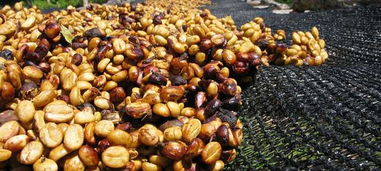
Most specialty coffee is processed using the washed (or wet) method, which results in cleaner, brighter flavors. However, the process demands precision: improper fermentation or water quality can lead to over-fermented or sour notes. Natural (dry) processed beans also have a place, but require careful drying to avoid mold or contamination from the ground. Regardless of method, proper drying to a moisture content of 11–13% is critical—too low risks mold, too high dulls flavor.
6. Strict Quality Grading and Handling
Specialty beans are graded meticulously, usually while still in their parchment (husk) until just before export. Factors like bean size (often measured against a 17/18 screen or China-standard No. 20 sieve), density, and defect counts determine grade. Post-processing, storage and transport conditions—temperature, humidity, ventilation, and odor exposure—are also strictly controlled to preserve quality. Even the highest-grade beans can be ruined by poor handling.
What Makes Coffee ‘Specialty’ Beyond the Bean?
Even if you start with specialty-grade beans, the final cup isn’t guaranteed to be 'specialty coffee' unless it’s brewed with care. The term applies to the entire process—from farm to cup.
1. Specialty Coffee Comes From Specialty Beans
This one’s fundamental. If the beans aren’t specialty grade, the resulting brew can’t claim the title, no matter how well it’s brewed.
2. Freshness Is Non-Negotiable
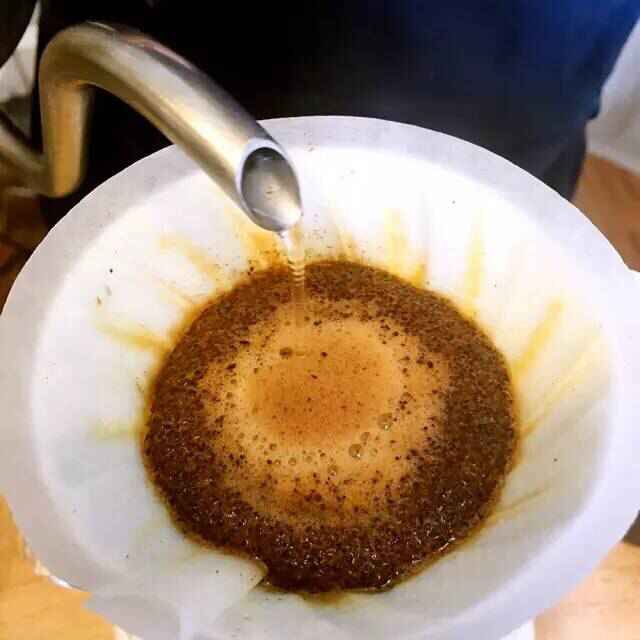
Specialty coffee must be fresh. That means using recently roasted beans and grinding them just before brewing. Pre-ground coffee or beans sitting on a shelf for months will lose volatile aromatics and peak flavor. Brewing methods like manual pour-over (hand-brewed coffee) are favored for preserving freshness and nuance.
3. It’s Healthy and Safe
Unlike low-quality commercial coffee, which may contain mold, pesticides, or defective beans, specialty coffee is free from these risks. Made from high-quality beans and processed cleanly, it’s not only safe but can be part of a healthy lifestyle when consumed in moderation.
4. It Delivers a Complex, Enjoyable Cup
Not every cup made from specialty beans automatically qualifies. To earn the label, the coffee must express the bean’s inherent qualities—showcasing balance, clarity, and a range of pleasant flavors. If the cup is dull, unbalanced, or unpleasant, it’s not specialty coffee, regardless of the beans used.
The Rise of Specialty Coffee Around the World
The specialty coffee movement is driven by demand: consumers are willing to pay more for better flavor. Producers, in turn, are responding with better practices and evaluation systems.
Countries like Brazil have introduced programs such as the Cup of Excellence, launched in 1999, to identify and reward top-quality lots. In the U.S. alone, the specialty coffee market in foodservice was valued at $12.5 billion in 2007—and it has only grown since. The message is clear: high-quality coffee isn’t a niche—it’s a growing global priority.
Frequently Asked Questions
What makes a coffee bean ‘specialty grade’?
A specialty coffee bean must be free of primary and secondary defects, grown at high altitudes (typically 1,500–2,000 meters), processed carefully (usually washed), and have a moisture content of 11–13%. It must also be graded to the highest standards, with no more than 5 full defects per 300 grams and a minimum cup score of 80+ (though the article does not specify the 80-point scale directly, it describes the equivalent criteria).
Do only certain coffee varieties qualify as specialty?
Traditional varieties like Bourbon, Typica, and Mocha are often associated with specialty due to their complex flavor profiles. High-yield hybrid varieties like Ruiru 11, while productive, are generally not considered specialty due to their inferior cup quality.
Why is hand-picking important for specialty coffee?
Hand-picking ensures only ripe coffee cherries are harvested. This prevents unripe or overripe fruit from lowering cup quality and consistency, which is critical for achieving the distinct and balanced flavors expected in specialty coffee.
What is the ideal moisture content for specialty coffee beans after drying?
Specialty coffee beans should be dried to a moisture level between 11% and 13%. Too little risks mold; too much can dull flavors and accelerate aging.
Is all coffee made from specialty beans considered specialty coffee?
No. Even if specialty beans are used, the coffee must be freshly roasted, properly ground, and brewed skillfully to be considered specialty coffee. The entire process, from bean to cup, determines the final classification.
How does processing method affect specialty coffee quality?
The washed (wet) process is most common for specialty coffee because it highlights clean, bright flavors. However, natural and honey processes are also used successfully in specialty production. Proper execution of any method is crucial to avoid defects or off-flavors.
Recommended FrontStreet Beans for Learning Specialty Coffee
Start exploring specialty coffee with FrontStreet’s Ethiopia Humbera (Yirgacheffe region, natural process: floral, citrus, berry), their Lintong Mandheling (Indonesia, wet-hulled: herbal, spicy, full-bodied), and Brazil Queen Manor (high-elevation Yellow Bourbon: creamy, nutty, sweet). Each represents key origins and processing styles that define the specialty spectrum. Freshly roasted within 5 days · Orders placed before 17:00 ship the same day · Next-day delivery across most of Guangdong Province.
FrontStreet Coffee is a long-established specialty coffee roaster in Guangzhou China, selling freshly roasted beans from its own farm in Yunnan as well as dozens of carefully selected single-origin beans from around the world for both pour-over and espresso. The products deliver consistently excellent quality and great value, with shipping within 24 hours. Guangzhou's FrontStreet Coffee shop is recommended by many coffee lovers, and the beans are now available online at the Tmall 。
Important Notice :
前街咖啡 FrontStreet Coffee has moved to new addredd:
FrontStreet Coffee Address: 315,Donghua East Road,GuangZhou
Tel:020 38364473