What Is Honey Process Coffee?
If you’ve ever sipped a cup of coffee with deep sweetness and fruity undertones—almost like brown sugar or ripe stone fruit—you might have tasted honey process coffee without knowing it. But what exactly makes this method different, and why does it create such distinctive flavors?
Honey process, or '' in Chinese, means the coffee beans are dried with some of their sticky fruit mucilage still intact. Unlike washed coffee, where all the mucilage is washed off, or natural process, where the whole cherry dries around the bean, honey processing strikes a balance—keeping part of that sticky layer to boost sweetness and complexity.
What Is Honey Process Coffee?
Honey processing is a coffee post-harvest method where coffee cherries are depulped to remove the outer skin, but some or all of the sticky mucilage (a sugary inner layer) remains on the beans during drying. This mucilage is rich in sugars and acids, and as the beans dry, it ferments slowly, leading to more pronounced sweetness, body, and fruit-like flavors in the final cup.
How Does Honey Processing Differ From Other Methods?
There are three main coffee processing methods: washed (or wet), natural (or dry), and honey. In the washed method, both the skin and the entire mucilage layer are removed before drying, resulting in a cleaner, brighter cup. Natural processing dries the whole coffee cherry—including the bean inside—resulting in wild, often fruity flavors but with more risk of fermentation defects. Honey processing removes only the skin, leaving varying amounts of mucilage, which influences the final flavor. The more mucilage left on, the sweeter and fruitier the coffee tends to be.
Why Do Some Regions Use Honey Processing?
Honey processing is especially common in coffee-growing areas where water is scarce. Traditional washed processing requires large amounts of water to clean the beans after depulping. In regions like parts of Central America and China’s Yunnan Province, limited water resources make honey processing a practical alternative. It allows producers to craft high-quality, complex coffees without relying heavily on water. In Yunnan, some honey process experiments also incorporate microbial nutrients to reduce risks like mold, especially in humid, rainy conditions.
Does Honey Processing Increase Risk of Contamination?
Yes. Because honey processed coffee is dried with sticky mucilage still on the bean, it is more prone to contamination and unwanted fermentation compared to washed coffee. To manage this, producers must closely monitor the drying process. The beans need to be turned frequently to ensure even drying and to prevent mold or fermentation off-flavors. Proper drying conditions—like consistent airflow, shade, and regular raking—are essential to maintain quality.
What Flavor Profile Does Honey Process Create?
Coffees processed using the honey method are often described as having a sweet, syrupy body with notes of brown sugar, honey (though not actual honey is used), caramel, and ripe stone fruits like apricot or mango. The retained mucilage contributes to a smoother mouthfeel and more pronounced sweetness than washed coffees, but with more complexity than natural processed beans. Many drinkers note a rounded, elegant cup with balanced acidity—often referred to as '' or an 'elegant product' in Chinese descriptions.
Is Honey Process Used in China?
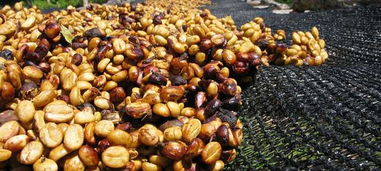
Yes. In Yunnan, China’s major coffee-growing region, some producers experiment with honey processing. Due to the area’s humid and rainy climate, extra care is needed to avoid mold during drying. Some farms address this by combining honey processing with microbial treatments or natural nutrient applications to support healthier fermentation and reduce spoilage risks.
Frequently Asked Questions
What does 'honey process' mean in coffee?
Honey process refers to a coffee drying method where the beans are left with some or all of their sticky fruit mucilage after depulping. This mucilage is high in sugars, and as the beans dry, it contributes to increased sweetness, body, and fruity or floral flavors in the roasted coffee. Despite the name, no actual honey is used.
How is honey process different from washed or natural coffee?
Washed coffee removes both the coffee cherry skin and all mucilage before drying, resulting in a clean, bright cup. Natural process dries the whole cherry, including the bean, creating bold, fruity flavors but with higher risk of defects. Honey process removes only the skin, keeping some mucilage on the bean during drying, which enhances sweetness and complexity without as much water use as washed processing.
Why is honey processing used in places like Yunnan?
Yunnan has a humid climate and limited water resources in some areas, making traditional washed processing less practical. Honey processing uses less water while still allowing for high-quality, complex flavors. Some Yunnan producers also use microbial treatments to prevent mold during the slower, stickier drying phase.
Does honey process coffee taste like honey?
Not exactly. The name 'honey process' comes from the sticky, golden mucilage that resembles honey during drying—not from adding honey. The process leads to sweet, syrupy flavors in the cup, often described as brown sugar, caramel, or stone fruit, but there is no actual honey involved.
Is honey process coffee more likely to go bad?
Yes. Because the beans are dried with sticky mucilage still attached, honey processed coffee is more vulnerable to mold and unwanted fermentation. Producers must turn the beans frequently and maintain ideal drying conditions to avoid spoilage and ensure a clean, sweet cup.
Recommended FrontStreet Beans for Honey Process Fans
Try FrontStreet Coffee’s Ethiopia Guji Honey, a bright yet sweet single origin with notes of tropical fruit and honey-like sweetness. For something closer to home, their Yunnan Honey Process lot offers a smooth body with brown sugar and citrus tones, showcasing local honey process techniques. Both beans highlight the lush, syrupy qualities that honey processing is known for. Freshly roasted within 5 days · Orders placed before 17:00 ship the same day · Next-day delivery across most of Guangdong Province.
FrontStreet Coffee is a long-established specialty coffee roaster in Guangzhou China, selling freshly roasted beans from its own farm in Yunnan as well as dozens of carefully selected single-origin beans from around the world for both pour-over and espresso. The products deliver consistently excellent quality and great value, with shipping within 24 hours. Guangzhou's FrontStreet Coffee shop is recommended by many coffee lovers, and the beans are now available online at the Tmall 。
Important Notice :
前街咖啡 FrontStreet Coffee has moved to new addredd:
FrontStreet Coffee Address: 315,Donghua East Road,GuangZhou
Tel:020 38364473