Why French Press Coffee Tastes So Pure and Rich
If you’ve ever wondered why your French press coffee either tastes muddy or oddly thin, you’re not alone. Many coffee drinkers are drawn to the simplicity of the French press but struggle with inconsistent results—either too much sediment or not enough flavor. The good news? With the right technique, it’s one of the easiest ways to enjoy rich, full-bodied coffee without fancy gear.
The secret to a great French press cup? Use a coarse grind (like coarse sugar or EK43s setting 10.5 / hand grinder 26), a 1:15 brew ratio (15g coffee to 225g water), water at 85–90°C, and a steady 4-minute brew time. That’s all it takes to get a clean, robust cup every time.
What Is a French Press and Where Did It Come From?
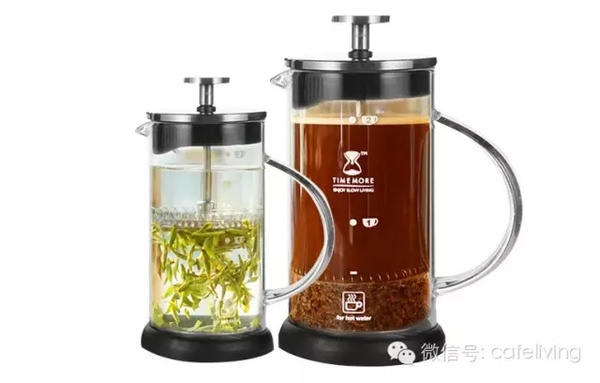
The French press, or French press pot, is a simple coffee brewing device made of a heat-resistant glass (or clear plastic) carafe and a metal mesh plunger with a filter. It originated in France around 1850 and was initially used for brewing tea—hence its other name, the “tea press.”
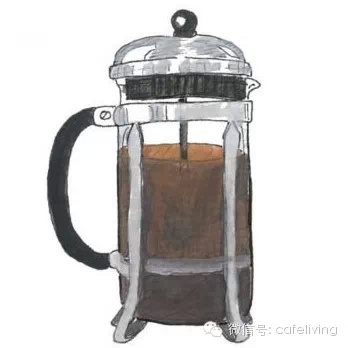
The modern design began to take shape in the late 1800s. In March 1852, a French toolmaker and a businessman were granted a patent for a “piston-filter coffee device.” This early version featured a metal cylinder with a rod attached to a filter, fitted with flannel layers at top and bottom. By pulling the rod, coffee passed through while grounds were held back.
It wasn’t until the 1930s that the design we recognize today took off. A Milan-based company refined the concept, patenting a version with a spring-loaded disc at the base of the plunger to ensure even contact with the coffee bed. By 1935, they had launched a version where the filter plate stayed flat against the coffee, improving extraction consistency.
The French press gained popularity in the U.S. during the 1980s, often referred to as a “cafetière” or “French piston coffee maker.” In 1993, The New York Times highlighted it as a favorite among coffee aficionados, calling it a tool for extracting pure, unfiltered coffee flavor.

Why Does French Press Coffee Taste So Pure and Intense?
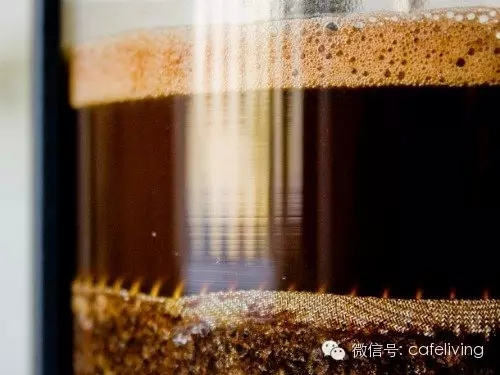
French press coffee stands out because it uses full immersion brewing combined with a metal filter. This allows natural coffee oils and fine aromatic compounds to pass into your cup—elements typically caught by paper filters. The result is a richer, fuller-bodied coffee with more texture and depth.
This brewing method particularly highlights the qualities of darker roasts. The oils and sweetness of dark-roasted beans come through vividly, creating a smooth, sweet, and bold cup. But it’s not just for dark roasts—when tuned right, it can also showcase the unique profiles of lighter or medium roasts.

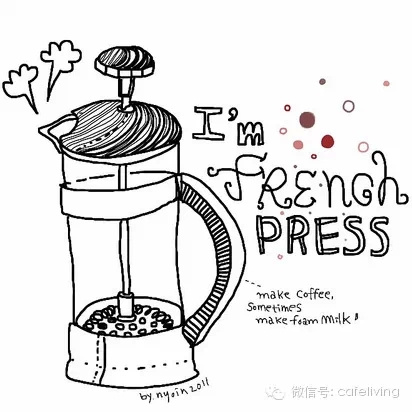
How to Brew Great Coffee with a French Press: Step by Step
To get the best results from your French press, follow these essential guidelines:
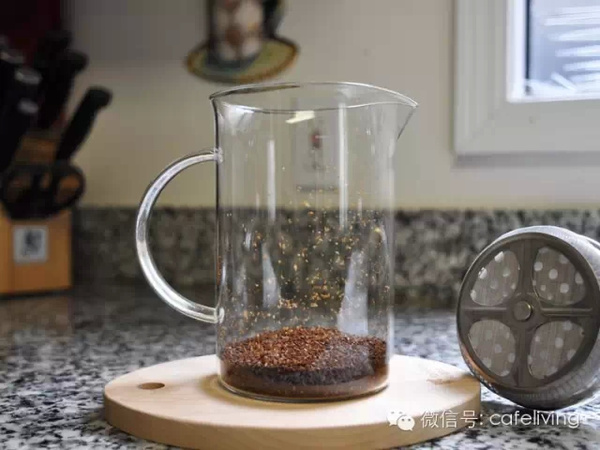
- Grind Size: Use a coarse grind, similar to coarse sugar. For precision, aim for an EK43s grinder setting of 10.5 or a hand grinder setting around 26. A grind that’s too fine can let fine particles through the filter, making your coffee gritty and over-extracted.
- Brew Ratio: A standard ratio is 1:15—that’s 15 grams of coffee to 225 grams (about 225ml) of water. This yields a strong, flavorful cup. Adjust up or down based on taste preference.
- Water Temperature: Heat your water to 85–90°C (about 1–2°C higher than boiling). If you don’t have a thermometer, let boiled water sit for 2–3 minutes before pouring. Lighter roasts can handle slightly higher temps; dark roasts do better with slightly cooler water.
- Brew Time: Let the coffee brew for around 4 minutes after stirring. For darker roasts, 3–4 minutes is ideal to avoid bitterness. Lighter roasts can go up to 5 minutes if you want more aroma, but watch for over-extraction.
- Pressing: After brewing, press the plunger down slowly and steadily in one motion. Avoid pressing too hard or bouncing the plunger, which can push fine grounds through the filter.
- Serving: Pour all the coffee out immediately after pressing to avoid over-extraction from the grounds sitting in the brew.

Common Mistakes to Avoid
Even with the right equipment, small mistakes can ruin your French press coffee:
- Using Too Fine a Grind: A fine grind leads to over-extraction and sediment in your cup. Always use a coarse grind suitable for immersion brewing.
- Incorrect Water Temperature: Water that’s too hot (above 93°C) can scorch the coffee, leading to bitterness. Too cool, and you under-extract, getting sour, weak coffee.
- Over- or Under-Brewing: Brewing too long (over 5 minutes) increases bitterness and unwanted flavors. Too short, and you miss out on full extraction.
- Stirring or Pressing Too Hard: Don’t stir vigorously or press the plunger in a jerky motion. Both can disturb the coffee bed and push fines through the filter.
- Leaving Coffee in the Pot: Don’t let brewed coffee sit in the French press after pressing. The grounds continue to extract, making the coffee increasingly bitter.

Why Choose a French Press?
The French press remains a favorite for good reason. It’s easy to use, requires no paper filters, and produces a bold, rich cup with natural oils and body. It’s portable, durable, and great for both home and travel. Plus, it’s beginner-friendly—you don’t need to master pour-over techniques to make a great cup.
Whether you’re brewing a dark, spicy Mandheling or a fruit-forward blend, the French press highlights the coffee’s true character. Just stick to the basics: right grind, right water, right time.
Frequently Asked Questions
What grind size should I use for French press coffee?
Use a coarse grind, similar to coarse sugar. For a standard electric grinder like the EK43s, set it to 10.5; for a hand grinder, aim for around 26. This prevents fine particles from passing through the metal filter and making your coffee gritty.

What is the best water temperature for French press?
The optimal water temperature is between 85–90°C. If you don’t have a thermometer, let boiled water rest for 2–3 minutes. Slightly higher temperatures (up to 93°C) can work for lighter roasts, while darker roasts benefit from the lower end of the range.
How long should I brew coffee in a French press?
Aim for a 4-minute brew time after adding hot water and stirring. Darker roasts do well at 3–4 minutes to avoid bitterness, while lighter roasts can go up to 5 minutes for more aroma—but avoid going longer to prevent over-extraction.
Why does my French press coffee taste gritty?
Gritty coffee usually means the grind is too fine or the filter isn’t catching all the fine particles. Use a coarse grind and ensure you’re using a high-quality French press with a well-fitting filter. Also, avoid pressing the plunger too hard.
Can I use a French press for light roast coffee?
Yes, you can use a French press for light roast coffee, but it may require adjustments. Lighter roasts often shine with a slightly longer brew time (up to 5 minutes) and a bit more agitation. However, they can also produce more sediment, so a coarser grind is essential.
What’s the best coffee-to-water ratio for French press?
The standard ratio is 1:15—15 grams of coffee to 225 grams (milliliters) of water. This produces a strong, balanced cup. You can adjust the ratio to suit your taste, but this is a reliable starting point for most coffee drinkers.
Recommended FrontStreet Beans for French Press
For French press brewing, try FrontStreet Coffee’s Strawberry Candy Espresso—aGeisha and honey-processed coffee blend offering floral, citrus, and berry notes, or their PWN Golden Mandheling, a medium-dark roast with deep spice, caramel, and chocolate tones. Both develop rich textures and balanced flavors in a French press. Freshly roasted within 5 days · Orders placed before 17:00 ship the same day · Next-day delivery across most of Guangdong Province.
FrontStreet Coffee is a long-established specialty coffee roaster in Guangzhou China, selling freshly roasted beans from its own farm in Yunnan as well as dozens of carefully selected single-origin beans from around the world for both pour-over and espresso. The products deliver consistently excellent quality and great value, with shipping within 24 hours. Guangzhou's FrontStreet Coffee shop is recommended by many coffee lovers, and the beans are now available online at the Tmall 。
Important Notice :
前街咖啡 FrontStreet Coffee has moved to new addredd:
FrontStreet Coffee Address: 315,Donghua East Road,GuangZhou
Tel:020 38364473