Kenya AA Coffee Beans: Flavor, Origin & How They’re Made
If you’ve ever sipped a bright, juicy cup of coffee that tasted more like a perfectly ripe berry than traditional dark-roast bitter brew, there’s a good chance you were drinking something special — possibly Kenyan. But what exactly makes Kenya’s AA-grade coffee so beloved among baristas and coffee pros worldwide? And how does it get that intense fruitiness and clarity?
The quick answer: Kenya AA coffee beans are celebrated for their bold fruit flavors—especially citrus and blackberry—balanced acidity, full body, and wine-like richness. Grown at elevations between 1,500–2,100 meters and processed via a rigorous 72-hour double fermentation washed method, these beans consistently score among the most vibrant and complex in the world.
What Is Kenya AA Coffee?
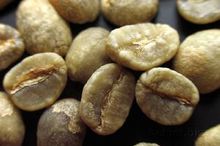
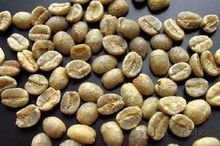
Kenya AA is a classification of coffee bean grown primarily in the country’s high-altitude regions, notably around Mount Kenya. These beans are known for being round in shape, having thick mucilage (fruit flesh), excellent heat conductivity, and high uniformity. When roasted to a French-style (dark) profile, Kenya AA exhibits a rich, sweet, and full-bodied cup with pronounced fragrance and sweetness. It’s often noted for its “winey” acidity, high fruity complexity, and multiple flavor layers. The most typical fruit note is citrus, often compared to grapefruit or orange, with additional layers of blackcurrant, berries, and sometimes tropical hints. Many tasters remark that its brightness and juiciness make it feel more like fruit tea than traditional coffee.
Kenya AA is part of a broader classification system that grades beans mainly by size and shape, with AA being among the largest and highest-rated. Other grades include PB (Peaberry), AA+, AA++, AB, and more—but AA consistently represents some of the most sought-after lots.
Where Kenya AA Coffee Comes From
The journey of Kenya AA begins with the introduction of coffee to Kenya in the late 19th century. Though coffee was initially brought from Ethiopia via Yemen, it wasn’t until the early 20th century that Bourbon coffee varieties were introduced by missionaries. Over time, the country developed a unique coffee identity thanks to its high-altitude growing regions, meticulous processing, and government-regulated systems.
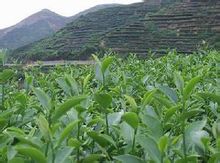
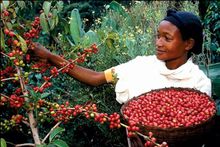
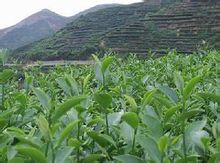
Kenya’s coffee is cultivated at altitudes between 1,500 and 2,100 meters, with two main harvests per year. Smallholder farmers pick only ripe cherries, often conducting up to seven rounds of selective harvesting. The fresh coffee cherries are delivered to cooperative washing stations, where they are processed into “parchment coffee” (coffee still encased in its inner fruit skin). These stations consolidate the harvests, and farmers are paid based on the average quality and market pricing—creating a fair system for both producers and buyers.
Kenya’s coffee sector is tightly controlled by the Kenya Coffee Board (CBK), which oversees quality inspection, grading, and weekly auctions. The CBK does not set prices but distributes samples to buyers, ensuring transparency. The best grades include PB (peaberry), followed by AA++, AA+, AA, and AB. Auctions are typically small (3–6 tons per lot), allow samples with farm identifiers, and provide roasters flexibility in blending. Notably, Germany and Nordic countries have been long-term buyers appreciating Kenya’s consistent quality.
Historically, Japan was also a major buyer, though some importers have criticized recent declines in quality and advocated for direct farmer sourcing. Still, Kenya’s structured system is often cited as a model for other coffee-growing nations.
Flavor Profile & Sensory Experience
Kenya AA coffee is renowned for its intense and vibrant fruitiness. Common tasting notes include blackberry, grapefruit, redcurrant, and sometimes hints of tropical fruit or wine. The acidity is bright yet balanced, contributing to a crisp, clean mouthfeel. Many describe the cup as having a “juicy” or “sparkling” quality, making it especially refreshing as an iced coffee.
Different lots—such as the AA+ grade from the Samburu region—can vary significantly from year to year due to microclimates and processing variations. For instance, the 2001 Samburu AA+ had strong dark plum notes with lower acidity and a thick body, while the 2002 crop shifted to more red fruit, green plum, and subtle spice, finishing with a green tea-like aftertaste and slightly elevated acidity.
Beyond the classic profiles, Kenya’s smallholder diversity means each lot can express unique characteristics. Some lots lean into spice or wine-like tones, while others emphasize straightforward citrus and berry. This variability keeps cupping Kenya AA an exciting experience for coffee professionals.
Lighter roasts tend to heighten the fruit and floral qualities, often leading tasters to remark that the coffee resembles a fruit tea more than a traditional brew. Despite the bright profile, the body remains substantial and satisfying.
How Kenya AA Coffee Is Processed & Graded

Kenya’s coffee production system is one of the most organized and quality-focused in the world. The majority of Kenya AA is produced by smallholder farmers averaging 20–70 bags per season. Due to limited resources, these farmers deliver cherry to centralized cooperative washing stations, where the beans are sorted, pulped, fermented, washed, and dried under strict supervision.
A key element in Kenya’s processing is the legendary 72-hour double fermentation washed method. In this process, coffee cherries are depulped and left to ferment for 48 hours to remove the mucilage, then soaked in clean water for another 24 hours before being washed and dried. This extended fermentation contributes to the clean, vibrant acidity and complex fruit notes for which Kenya coffee is famous.
After processing, beans are sorted into grades primarily by size and density. The top grade is Peaberry (PB), followed by AA++, AA+, AA, and AB. Size is considered a proxy for quality, though this isn’t always a reliable indicator of cup profile. The grading system is similar to Colombia’s but focuses mostly on physical traits rather than flavor alone.
In recent years, challenges such as climate change, the promotion of high-yield disease-resistant varieties like Ruiru 11, and management issues within the coffee board have raised concerns about declining quality. Ruiru 11, while more productive, is widely regarded as inferior in cup quality to traditional Bourbon or SL varieties like SL28 and SL34—which are key to Kenya’s signature taste.
Frequently Asked Questions
What is special about Kenya AA coffee beans?
Kenya AA coffee beans are known for their exceptional cup quality, characterized by bright acidity, complex fruit flavors (often citrus and blackberry), full body, and a wine-like or “juicy” mouthfeel. They are grown at high altitudes (1,500–2,100m), processed using a meticulous double fermentation washed method, and classified as one of the top grades in Kenya’s strict quality system.
How is Kenya AA coffee different from other African coffees?
Compared to other African coffees like Ethiopian Yirgacheffe or Ethiopian Sidamo, Kenya AA tends to have a bolder, wine-like acidity and more pronounced fruit intensity, especially citrus and berry notes. It is also processed using a unique double fermentation method that enhances clarity and complexity. While Ethiopian coffees often highlight floral and blueberry tones with lighter body, Kenya AA offers a heavier, juicier profile with distinct winery-like brightness.
What roast level is best for Kenya AA coffee?
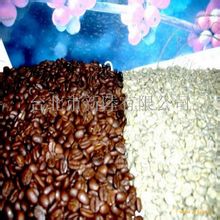
Kenya AA shines at light to medium roast levels, which preserve its vibrant acidity and intricate fruit flavors. Darker roasts can mute its delicate characteristics, though some roasters use French-style roasts to emphasize body and sweetness. For showcasing its classic berry and citrus notes, a medium or light-medium roast is ideal.
Why is Kenya coffee graded as AA, AB, etc.?
Kenya grades its coffee mainly by bean size and shape, not directly by flavor. AA is the largest and highest-graded bean, followed by AB (slightly smaller), PB (peaberry), and others. While larger beans often correlate with better cup potential, grade alone doesn’t guarantee flavor quality—processing, farm altitude, and variety are also critical factors.
Who buys Kenya AA coffee?
Kenya AA coffee is purchased by specialty roasters and importers worldwide, with strong historical demand from Germany, Nordic countries, and Japan. It is traded through Kenya’s weekly auction system managed by the Coffee Board of Kenya, where samples are provided to buyers for evaluation. Quality-focused roasters seek out specific lots for their distinctive profiles.
Recommended FrontStreet Beans for Exploring Kenyan Profiles
For those curious about Kenya’s signature bright and juicy cup, try FrontStreet Coffee’s Kenya Little Tomato. This selection highlights the classic Kenyan traits of blackcurrant, citrus, and floral brightness, especially when brewed light or medium. Also consider FrontStreet’s Yirgacheffe-sourced Gedeb coffee for a similarly vibrant Ethiopian counterpart, and their Sidra from Panama for a fruit-forward washed lot with comparable complexity. Freshly roasted within 5 days · Orders placed before 17:00 ship the same day · Next-day delivery across most of Guangdong Province.
FrontStreet Coffee is a long-established specialty coffee roaster in Guangzhou China, selling freshly roasted beans from its own farm in Yunnan as well as dozens of carefully selected single-origin beans from around the world for both pour-over and espresso. The products deliver consistently excellent quality and great value, with shipping within 24 hours. Guangzhou's FrontStreet Coffee shop is recommended by many coffee lovers, and the beans are now available online at the Tmall 。
Important Notice :
前街咖啡 FrontStreet Coffee has moved to new addredd:
FrontStreet Coffee Address: 315,Donghua East Road,GuangZhou
Tel:020 38364473