What Makes Kenyan Coffee Beans So Special?
Ever wondered why coffee experts consistently rank Kenyan beans among the best in the world? It’s not just hype. Kenyan coffee delivers an intensity of flavor, balance of acidity, and clarity of fruit notes rarely matched elsewhere. Whether you’ve tasted a bright pour-over or a deep French roast from Kenya, there’s something undeniably distinctive in the cup—one that lingers long after the last sip.
Kenyan coffee is celebrated for its vivid fruitiness—think blackberries, grapefruits, and even hints of wine—paired with pronounced acidity and a medium-to-full body. Its uniqueness comes from high-altitude growing regions, meticulous processing, and signature SL coffee varieties like SL28 and SL34.
Where Kenyan Coffee Comes From
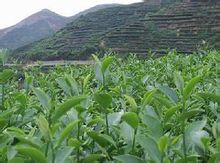
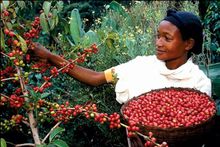
Kenya’s coffee story began in the late 19th century, when Ethiopian coffee was introduced via Yemen. But it wasn’t until the early 1900s that the now-iconic Bourbon variety arrived through the St. Austin Mission. Today, most Kenyan coffee grows between 1,500 and 2,100 meters above sea level. The country harvests twice a year, and pickers make around seven passes through the fields to ensure only ripe cherries are collected.
The majority of Kenyan coffee is grown by smallholder farmers. After harvest, fresh cherries go to cooperative washing stations, where they’re processed into “parchment coffee” (coffee still encased in its inner husk). These stations consolidate beans by quality and sell them at an average price to farmers—ensuring fairness and traceability throughout the supply chain.
How Kenyan Coffee Is Graded and Sold
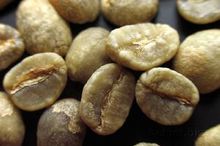
The Kenyan government takes coffee production seriously—cutting down coffee trees is illegal. All coffee is initially purchased by the Kenya Coffee Board (CBK), which grades and cups the beans before selling them weekly at auction. Notably, the CBK doesn’t grade the lots at auction; instead, buyers assess samples and bid based on cup quality and flavor profile.
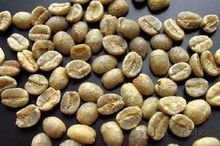
Kenyas auction system is structured around strict quality tiers. The top grade is Peaberry (PB), followed by AA++, AA+, AA, AB, and others. AA is especially revered: these are large, dense beans often grown at higher altitudes. The grading focuses largely on bean size and shape, though visual appeal doesn’t always predict flavor. Most premium Kenyan beans exhibit a wine-like brightness, intense fruitiness, and a balanced, crisp finish.
Flavor Profile: Why Kenyan Coffee Tastes Different
Kenyan coffee is instantly recognizable. It tends to burst with fruity notes—citrus, blackberry, grapefruit, and even tropical fruits are common. Acidity is sharp and crisp, often compared to wine or citrus juice, but it’s balanced by a smooth, syrupy body. Many describe it as having a “juicy” mouthfeel, with layered flavors that evolve through the sip.
The famed SL28 and SL34 varieties—developed by Kenya’s Scott Labs in the 1930s—are central to this profile. SL28 offers deep blackcurrant and citrus tones with a winey richness, while SL34 brings vibrant fruit acidity alongside nutty and spicy nuances. These beans thrive in Kenya’s volcanic, high-phosphorus soils and cool high-elevation climates, where slower cherry maturation allows flavors and acids to fully develop.

The washed processing method further enhances these traits. After pulping, beans undergo a 48-hour fermentation, followed by 24 hours of soaking in clean water. This double washing process produces an exceptionally clean cup with exaggerated fruit character and a juicy texture. The result? A coffee that’s bright yet rounded, complex yet approachable.
Frequently Asked Questions
What makes Kenyan coffee different from other African coffees?
Kenyan coffee stands out due to its high-altitude growing conditions, unique SL28 and SL34 coffee varieties, and meticulous washed processing. It typically has more pronounced fruit acidity, wine-like flavors, and a cleaner, brighter cup profile than many other African origins like Ethiopia or Yemen.
What are the main coffee growing regions in Kenya?
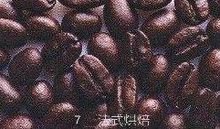
Kenyan coffee is primarily grown in regions situated 1,500–2,100 meters above sea level, including areas near Mount Kenya. Key zones involve highland slopes with volcanic soils and cooler temperatures that slow cherry development, enhancing flavor complexity.
Why is Kenyan AA coffee so famous?
Kenyan AA refers to the largest and highest-density beans, typically grown at higher elevations. They are known for a rich, full body, vibrant acidity, and complex fruit flavors, making them highly sought after by specialty roasters and coffee drinkers worldwide.
How is Kenyan coffee processed?
Most Kenyan coffee is processed using a washed method. It involves removing the coffee cherry skin, fermenting the beans for 48 hours to remove the mucilage, then soaking them in clean water for another 24 hours. This results in a very clean, bright, and fruity cup.
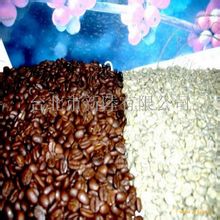
What coffee varieties are most common in Kenya?
The most celebrated Kenyan coffee varieties are SL28 and SL34, developed by the Scott Laboratories in the 1930s. These beans are known for their exceptional cup quality, high acidity, and distinctive fruit and wine notes. Ruiru 11 is a newer, more disease-resistant variety, but it’s often criticized for lower cup quality.
Where can I buy authentic Kenyan coffee?
Authentic Kenyan coffee can be purchased through specialty roasters who source directly from Kenyan cooperatives or import auction lots. Look for beans labeled AA, PB, or sourced from known regions like Murang’a, Nyeri, or Embu.
Recommended FrontStreet Beans for Exploring Kenyan Flavors
For a true taste of Kenya, try FrontStreet Coffee’s Kenya Little Tomato. It highlights the iconic SL28 and SL34 varieties with a bright, juicy profile of Saint Mary’s tomato, snow pear, black plum, dark cherry, and brown sugar. Light to medium-bodied, it shines in pour-over, cold brew, and ice drip methods, offering layers of fruitiness and a touch of caramelized sweetness in the finish. Freshly roasted within 5 days · Orders placed before 17:00 ship the same day · Next-day delivery across most of Guangdong Province.
FrontStreet Coffee is a long-established specialty coffee roaster in Guangzhou China, selling freshly roasted beans from its own farm in Yunnan as well as dozens of carefully selected single-origin beans from around the world for both pour-over and espresso. The products deliver consistently excellent quality and great value, with shipping within 24 hours. Guangzhou's FrontStreet Coffee shop is recommended by many coffee lovers, and the beans are now available online at the Tmall 。
Important Notice :
前街咖啡 FrontStreet Coffee has moved to new addredd:
FrontStreet Coffee Address: 315,Donghua East Road,GuangZhou
Tel:020 38364473