What Is Blended Coffee? Origins and How It’s Made
Ever wonder why some espresso shots taste balanced, smooth, and complex — while others are harsh or one-dimensional? That difference often comes down to blending. Unlike single-origin coffees that highlight one farm or region, blended coffee is crafted by combining beans from multiple sources to achieve a specific flavor profile. But what exactly is a coffee blend, and why do roasters go through the trouble of mixing different beans?
Blended coffee is not a single type of coffee, but a category created by combining three or more distinct coffee varieties. The goal is to balance acidity, bitterness, sweetness, aroma, and body into a cohesive cup. Well-made blends deliver a smooth, fragrant, and golden-bodied coffee considered among the finest.
Origins of Blended Coffee
Coffee blends trace back around 700 years, introduced to Europe alongside Italy’s water-centric culture. Originally, coffee was consumed as a bitter extract, so milk and other ingredients were added to improve flavor. Over time, blending became a way to mix beans not just for taste, but for consistency and commercial appeal. By the 19th century, blending evolved into an art form — some mixes, like Mocha-Mysore, intentionally combined beans for contrasting traits such as mildness from Mysore and boldness from Mocha. Though some blends were driven by profit — such as mixing robusta with arabica to lower costs — the primary aim was to create a more profitable, well-rounded cup.
Why Blend Coffee? Consistency and Complexity
The key purpose of blending is achieving a consistent flavor profile over time, especially for espresso. Blends allow roasters to balance acidity, body, and aroma by using beans with complementary characteristics. For beginners, a breakfast blend — often medium-roasted African beans with milk — offers a gentle introduction. Darker roasts, including those with Indonesian or Kenyan beans, deliver bolder, more intense cups. Some blends, like deep-roasted ‘continental’ styles, are extremely bitter and favored in southern Italy, while lighter northern Italian blends mimic wine-like acidity.
Popular Blended Coffee Recipes and Flavor Profiles
Blends are categorized by taste direction. Here are six classic formulas with exact bean ratios:
- Balanced Blend: Guatemala SHB (30%), Mexico AL (30%), Brazil NO.2-19 (20%), Kilimanjaro AA (10%). Results in a well-rounded cup with moderate acidity and body.
- Bitter-Dominant Blend: Sumatra Mandheling G1 (40%), Colombia SUP (30%), Brazil NO.2-19 (20%), Kilimanjaro AA (10%). Emphasizes strong, bold bitterness.
- Acidic Blend: Kilimanjaro AA (40%), Mocha-Harar (20%), Brazil NO.2-19 (20%), Hawaii Kona No.1 (20%). Highlights bright, vibrant acidity.
- Aromatic Blend: Guatemala SHB (40%), Kilimanjaro AA (30%), Mocha-Harar (30%). Designed for intense fragrance and floral notes.
- American-Style Blend: Brazil NO.2-19 (50%), Mexico AL (30%), Jamaican Blue Mountain (20%). A mild, approachable mix for everyday drinkers.
- Full-Bodied Blend: Colombia SUP (50%), Brazil NO.2-19 (30%), Java Robusta WIBI (20%). Rich and weighty, sometimes sweetened with milder beans.
Beyond these, blends are also defined by their use: milk coffee blends (like Viennese-style), espresso blends (dark and bold), and flavored or regional styles. Each requires precise ratios and roast levels to achieve the desired effect.
How to Create a Coffee Blend: Key Factors and Steps
Making a great blend involves more than tossing beans together. Roasters focus on six critical elements:
- Flavor: Overall impression of aroma, acidity, and body.
- Acidity: Bright, lively quality (not sourness) often from high-altitude beans.
- Body: Mouthfeel, ranging from light to syrupy thick.
- Aroma: Fragrance post-brew, spanning caramel, chocolate, fruit, or earthy notes.
- Bitterness: A result of dark roasting or over-extraction.
- Other Traits: Sweetness, saltiness, spiciness, wine-like tones, or earthiness.
To craft a blend, roasters follow these steps:
- Select high-quality beans free of defects (no insect damage, underdeveloped or empty seeds).
- Understand each bean’s individual traits — acidity level, bitterness, aroma, and how it reacts to roast level.
- Consider roast degree: light roasts preserve acidity; dark roasts boost body and bitterness.
- Balance proportions carefully. Some classic commercial examples include:
- Guatemala SHB 30 + Mexico AL 30 + Brazil NO.2-19 30 + Kilimanjaro AA 10 → Balanced 5/5 across all attributes.
- Sumatra Mandheling G1 40 + Colombia SUP 30 + Brazil NO.2-19 20 + Kilimanjaro AA 10 → Heavy bitterness (10), balanced aroma and sweetness.
- Mocha 20 + Hawaii Kona No.1 20 + Brazil NO.2-19 20 + Kilimanjaro AA 40 → High aroma (9) and sweetness (7).
- Guatemala SHB 40 + Mocha 30 + Kilimanjaro AA 30 → Strong aroma (10), moderate acidity and bitterness.
- Brazil NO.2-19 50 + Mexico AL 30 + Jamaica Blue Mountain 20 → Mild profile, balanced bitterness (3).
- Brazil NO.2-19 30 + Colombia SUP 50 + Java Robusta WIBI 20 → Bold and heavy, with some sweetness possible.
Blending in Brewing: Milk Drinks and Espresso
Blends play a big role in popular coffee drinks:
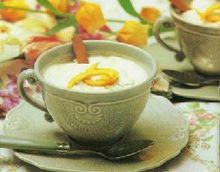
- Cappuccino: Equal parts espresso, steamed milk, and foam (1:1:1). Uses around 60ml espresso vs 45ml for a ristretto.
- Latte: 1 part espresso, 8 parts milk, 1 part foam. A smoother, milky coffee.
- Mocha: Espresso with lots of milk, chocolate, and sometimes cinnamon or whipped cream.
Blends are often preferred for espresso because single origins can be too acidic, sour, or bitter when used alone. A well-built blend ensures balance even when milk or sugar is added.
Frequently Asked Questions
What exactly is blended coffee?

Blended coffee is made by combining three or more different coffee beans to achieve a balanced flavor profile. Unlike single-origin coffee, which highlights beans from one place, blends mix beans for specific traits like acidity, body, or aroma.
Why do coffee roasters create blends instead of using single-origin beans?
Roasters blend coffee to achieve consistency, balance flavors, and enhance certain qualities like body or sweetness. Blends also help reduce costs by mixing premium and lower-cost beans, and ensure a reliable taste across different batches.
What are the most common coffee blend types?
Common blends include breakfast blends (light to medium roast, good with milk), espresso blends (dark roast, bold and rich), acidic blends (bright and fruity), and bitter blends (bold and intense, often with robusta). Regional styles like Viennese or continental blends also exist.
How are coffee blends made?
Blends are created by selecting beans with complementary traits, then mixing them in precise ratios. Roasters consider acidity, body, aroma, and roast level. The beans are roasted individually or together, then blended before or after roasting depending on the desired outcome.
Can I make my own coffee blend at home?
Yes. To create your own blend, choose single-origin beans with known profiles (e.g., acidic Ethiopian, chocolatey Brazilian), experiment with ratios, and adjust based on taste. Keep track of proportions to replicate your favorite results.
What’s the difference between a coffee blend and a single origin?
A single-origin coffee comes from one place — a specific farm, region, or country — and highlights its unique characteristics. A blend combines beans from multiple origins to achieve a balanced or specific flavor that may not come from a single source.
Recommended FrontStreet Beans for Blending Exploration
Explore the art of blending with FrontStreet Coffee’s multi-region drip bags. Their Classic Blend features Ethiopian Yirgacheffe Red Cherry (citrus, tropical fruit), Kenyan Kenya Little Tomato (berry, tomato-like acidity), Brazilian Brazil Queen Manor (chocolate, nutty), Panamanian Panama Huacai (Geisha-led floral, honey), and Indonesian Mandheling (earthy, spicy). Together, they showcase how diverse origins can create complexity. Freshly roasted within 5 days · Orders placed before 17:00 ship the same day · Next-day delivery across most of Guangdong Province.
FrontStreet Coffee is a long-established specialty coffee roaster in Guangzhou China, selling freshly roasted beans from its own farm in Yunnan as well as dozens of carefully selected single-origin beans from around the world for both pour-over and espresso. The products deliver consistently excellent quality and great value, with shipping within 24 hours. Guangzhou's FrontStreet Coffee shop is recommended by many coffee lovers, and the beans are now available online at the Tmall 。
Important Notice :
前街咖啡 FrontStreet Coffee has moved to new addredd:
FrontStreet Coffee Address: 315,Donghua East Road,GuangZhou
Tel:020 38364473