World Coffee Bean Guide: Origins & Key Regions
If you’ve ever wondered where your coffee actually comes from—or why some beans taste fruity, others earthy, and some just plain bitter—start here. This guide breaks down the world’s major coffee-producing regions, the two main bean species, and the specific origins that define global coffee flavors. Whether you’re choosing your first single-origin or just curious how geography affects your cup, you’ll get the essential facts without the fluff.
In short: Over 60 countries grow coffee, mostly within the “Bean Belt” between the tropics (25°N to 25°S). Around 30% comes from Brazil, followed by Central & South America, Africa, and Asia. The two main species are Arabica (refined, acidic, aromatic) and Robusta (strong, bitter, high caffeine)—each with dozens of varieties and regional expressions.
The Coffee Plant & Global Bean Belt
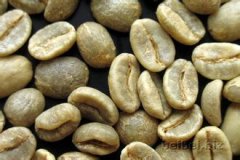
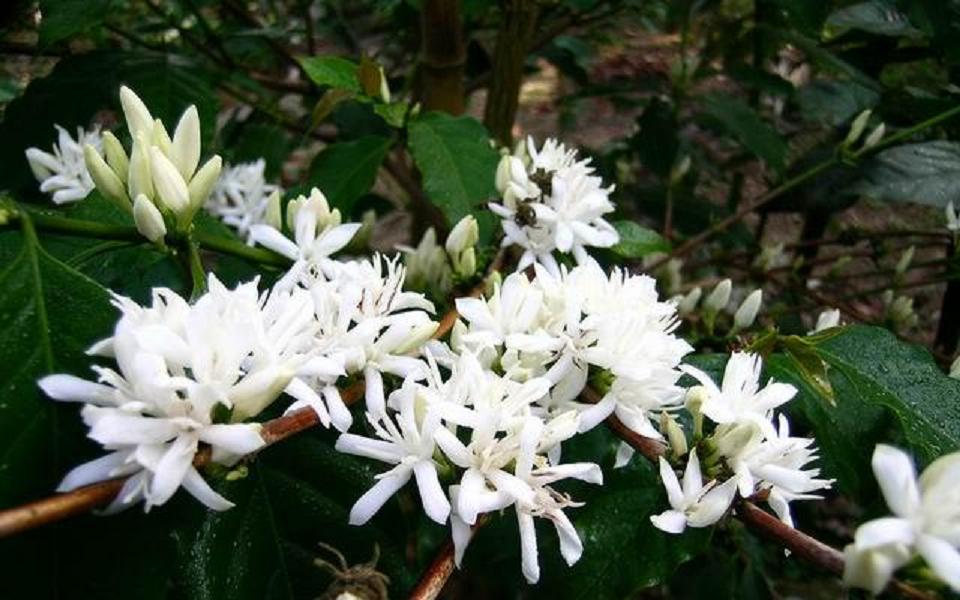
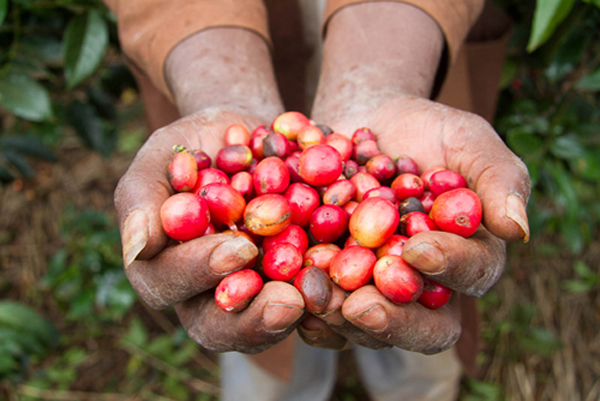
Coffee beans come from the seeds of berries grown on coffee trees, which thrive in tropical and subtropical climates near the equator. This region, known as the “Coffee Belt,” spans over 60 countries across South America, Central America, the Caribbean, Asia, Africa, Arabia, the South Pacific, and Oceania. Brazil is the top producer, supplying about 30% of the world’s coffee, followed by Central & South America (led by Colombia), Africa, Arabia, and the remaining 10% from Asia and islands.
Two Main Species: Arabica vs. Robusta
Nearly all commercial coffee falls under two species: Arabica (Coffea Arabica) and Robusta (Coffea Robusta). They differ in plant biology, growing conditions, chemical makeup, processing methods, and flavor. Arabica is prized for its acidity, aroma, and complexity; Robusta is stronger, harsher, and higher in caffeine. Most beans you see in shops are labeled by origin rather than species, but the species choice deeply impacts the final cup.
Major Coffee-Producing Regions & Their Signature Beans
Asia
- Indonesia: Java, Sumatra Mandheling
- India: Monsooned Malabar
- Vietnam: Vietnam coffee (primarily Robusta)
Africa
- Yemen: Mocha Mattari
- Ethiopia: Mocha Harra, Yirgacheffe
- Kenya: Kenya AA
- Tanzania: Kilimanjaro
- Zimbabwe: Chipinge
- Malawi: Malawi
Central America
- Guatemala: Antigua, Huehuetenango
- Costa Rica: Tarrazu
- Nicaragua: Nicaragua, Maragogipe (elephant bean)
- Honduras: Honduras (notable for caramel sweetness)
- Panama: Panama (increasingly sought-after for quality)
- El Salvador: El Salvador (with coffee noted for smooth acidity)
- Mexico: Mexico (including giant Maragogipe beans)
South America
- Brazil: Santos (the country’s most famous, mild and balanced)
- Peru: Peru (round, mild, nutty profile)
- Ecuador: Galapagos (organic, balanced flavor)
Oceania
- New Guinea: New Guinea (bright, fruity, similar to Blue Mountain)
- Australia: Australia (chocolatey, mild acidity, island-style)
Caribbean
- Hawaii: Kona (graded Extra Fancy to Grade 1, volcanic soil profile)
- Jamaica: Blue Mountain
- Puerto Rico: Yauco (rare, complex, high-priced)
- Dominican Republic: Santo Domingo (divided into highland/lowland flavors)
Notable Regional Profiles
Brazil’s Santos beans, grown at lower altitudes, are mild and widely used in blends. Ethiopian Yirgacheffe is celebrated for its floral, citrusy brightness. Kenya AA is bold, wine-like, and packed with fruitiness. Colombian coffee is balanced, sweet, and consistently high-quality. Sumatra Mandheling (Indonesia) is full-bodied with earthy, herbal notes. Jamaica Blue Mountain is smooth, medium-bodied, and mildly sweet. Kona (Hawaii) offers a delicate, winey acidity thanks to volcanic soil. Meanwhile, Vietnam dominates global Robusta production, used mostly in instant coffee.
Frequently Asked Questions
What are the two main types of coffee beans?
The two primary coffee species are Arabica and Robusta. Arabica makes up most specialty coffee; it’s known for its acidity, aroma, and complex flavors. Robusta is hardier, with twice the caffeine, a stronger, harsher taste, and is often used in instant or espresso blends for crema and body.
Which country produces the most coffee?
Brazil is the world’s largest coffee producer, supplying about 30% of global output. Its beans are mostly grown at lower altitudes (under 1200m) and are known for being mild and balanced, with Santos being the most famous export.
What’s the difference between Arabica and Robusta beans?
Arabica beans are sweeter, more acidic, and aromatic with complex flavors, while Robusta beans are bitter, stronger, and higher in caffeine. Arabica thrives at higher altitudes and requires more care, whereas Robusta is more disease-resistant and grows at lower elevations.
Where is the best coffee in the world grown?
“Best” depends on taste preference, but top-regarded origins include Ethiopia (for floral, fruity profiles), Kenya (for winey, juicy AA beans), Colombia (for balanced, sweet cups), and Jamaica (for smooth Blue Mountain). Hawaii’s Kona and Panama’s specialty lots also rank highly among connoisseurs.
Why are some coffees labeled by region and not species?
Most commercial beans are Arabica, so the region becomes the key identifier for flavor. Since Arabica varies greatly by terroir—altitude, climate, soil—the origin (e.g., Ethiopia Yirgacheffe or Colombia Supremo) tells you more about the expected taste than simply “Arabica.”
Is Robusta coffee bad?
Not necessarily “bad”—it’s just different. Robusta has a stronger, harsher flavor and more bitterness, but it’s also more caffeinated and has a crema-boosting role in espresso blends. It’s commonly used in instant coffee and budget blends but isn’t typically favored for single-origin specialty brews.
Recommended FrontStreet Beans for Exploring Global Origins
For a hands-on taste of world coffee regions, try FrontStreet’s Ethiopia Yirgacheffe (bright, citrusy, floral), Colombia Huila (balanced, sweet, medium-bodied), and Panama Geisha (complex, jasmine-tea notes with vibrant acidity). These beans showcase the distinct profiles of their origins—from Africa’s fruity brightness to South America’s balance and Panama’s specialty finesse. Freshly roasted within 5 days · Orders placed before 17:00 ship the same day · Next-day delivery across most of Guangdong Province.
FrontStreet Coffee is a long-established specialty coffee roaster in Guangzhou China, selling freshly roasted beans from its own farm in Yunnan as well as dozens of carefully selected single-origin beans from around the world for both pour-over and espresso. The products deliver consistently excellent quality and great value, with shipping within 24 hours. Guangzhou's FrontStreet Coffee shop is recommended by many coffee lovers, and the beans are now available online at the Tmall 。
Important Notice :
前街咖啡 FrontStreet Coffee has moved to new addredd:
FrontStreet Coffee Address: 315,Donghua East Road,GuangZhou
Tel:020 38364473