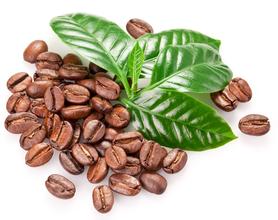
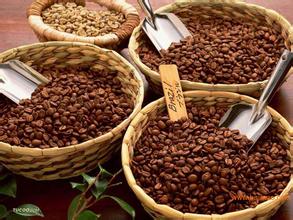
Papua New Guinea Chimil Estate Peaberry Coffee Beans
If you’ve ever wondered why some PNG coffees taste more like Kenyan or Costa Rican beans than Indonesian ones, the answer lies in both altitude and processing. Papua New Guinea’s mountain-grown coffees often deliver a brighter cup than their lowland Southeast Asian counterparts—but not all are the same. One standout comes from a unique estate in the Waghi Valley.
The Chimil Estate peaberry coffee is a washed-process PNG lot grown at 1500 metres above sea level, offering a clean, balanced cup with notes of nuts, cane sugar, and light spice—plus a notably smooth, rounded body due to its peaberry formation.
What Is a Peaberry Coffee Bean?
Peaberry beans are a natural mutation where a coffee cherry produces a single, rounded bean instead of the usual two flat-sided ones. These beans often roast more evenly and can have a more concentrated flavour. In the case of the Chimil Estate peaberry, that translates into a firmer, more structured cup profile.
Chimil Estate: A Unique Collective in the Waghi Valley
Chimil Estate is located near the Kimel River Valley in Papua New Guinea’s western highlands, within the Waghi Valley growing region. Though it operates like a large estate, it’s actually owned collectively by local Opais smallholder farmers. This makes it a de facto private cooperative. The estate has its own dedicated washed processing facility, ensuring consistent quality control.
The region sits at elevations between 1200–2500 metres, ideal for slow cherry maturation. The estate itself sits at 1500m, within the optimal range for developing bright acidity and complex sugars. Most farmers here contribute to co-op wet mills, but Chimil’s infrastructure allows for more precise handling.
Growing Conditions and Processing Details
The washed processing method used at Chimil Estate involves floating, pulping, fermenting to remove the mucilage, washing, and drying—all critical steps for achieving the clean, bright cup profile typical of high-quality PNG coffees. Water wash processing tends to highlight citrusy, fruity, and floral tones, and reduces the bean’s sugar content while increasing perceived acidity and clarity.
The estate grows multiple coffee varieties including Arusha, Blue Mountain, Catimor, Typica, Mundo Novo, and Caturra. This variety helps mitigate risk from climate or disease affecting any single cultivar—and contributes to the cup’s complexity. The exact blend in the peaberry lot is not specified, but the presence of Blue Mountain and Arusha varieties hints at the cup’s balanced sweetness and mild acidity.
Flavour Profile of Chimil Estate Peaberry
This particular peaberry lot delivers a cup that is notably low in acidity yet still vibrant. Tasters report flavours of nutty undertones, sweet cane sugar, and a touch of spice. The texture is creamy, almost buttery, and the overall balance is smooth and approachable. The peaberry beans’ rounded shape may contribute to a more even roast and a slightly denser mouthfeel compared to regular flat beans.
Unlike many Indonesian coffees that lean toward earthy, low-acid profiles due to semi-washed processing, this PNG peaberry shows the brighter, fruitier characteristics more commonly associated with washed Central American or East African coffees.
Why PNG Coffee Stands Apart from Indonesian
Papua New Guinea shares the Pacific island chain with Indonesia but produces markedly different coffees. While Indonesia (especially Sumatra and Sulawesi) often uses semi-washed (giling basah) processing—which results in heavy body, low acidity, and earthy or spicy notes—PNG relies heavily on washed processing at higher altitudes. That leads to a cup with greater brightness, citrus or stone fruit notes, and a cleaner aftertaste.
About 85% of PNG’s coffee comes from smallholder farms, many of which are organised into cooperatives. The country’s output is relatively small, but its high-altitude regions and diverse microclimates make it a hidden gem for specialty roasters seeking something distinct from the usual African or Latin American offerings.
Frequently Asked Questions
What is special about Chimil Estate coffee?
Chimil Estate is a collectively owned coffee farm in Papua New Guinea’s Waghi Valley, operated by local Opais smallholders. It functions like a private cooperative with its own washed processing facility, allowing for quality control at altitude (1500m), resulting in clean, bright, and complex coffees.
What is a peaberry coffee bean and how does it affect flavour?
A peaberry is a single rounded coffee bean that forms instead of the usual two flat beans in a cherry. They often roast more evenly and can have a more concentrated flavour. In the Chimil Estate peaberry, this results in a smoother, creamier body with balanced nutty and sugary notes.
What processing method is used for Chimil Estate coffee?
The coffee is processed using the washed (wet) method, which includes pulping, fermenting, washing, and drying. This method highlights brighter acidity and cleaner flavours compared to semi-washed or natural processes, and is typical of high-quality PNG coffees.
Which coffee varieties are grown at Chimil Estate?
Chimil Estate grows a mix of coffee varieties including Arusha, Blue Mountain, Catimor, Typica, Mundo Novo, and Caturra. This diversity helps manage growing risks and contributes to the complexity of the final cup profile.
How is PNG coffee different from Indonesian coffee?
PNG coffee is typically washed, grown at higher altitudes (1200–2500m), and produces a brighter, more acidic cup with fruity or floral notes. Indonesian coffee often uses semi-washed processing, resulting in heavier, lower-acid, earthier profiles.
Recommended FrontStreet Washed Process Coffee Beans
For fans of the bright, clean profile of the Chimil Estate peaberry, try FrontStreet’s Kenya Little Tomato—known for its sweet tomato-like acidity and juicy body. Also consider the Jamaica Blue Mountain No.1, which shares PNG’s reputation for balance, mild acidity, and notes of nuts and cocoa. Finally, the Yirgacheffe offering from FrontStreet highlights floral and citrus brightness akin to what you’d expect from high-altitude washed coffees like Chimil. Freshly roasted within 5 days · Orders placed before 17:00 ship the same day · Next-day delivery across most of Guangdong Province.
FrontStreet Coffee is a long-established specialty coffee roaster in Guangzhou China, selling freshly roasted beans from its own farm in Yunnan as well as dozens of carefully selected single-origin beans from around the world for both pour-over and espresso. The products deliver consistently excellent quality and great value, with shipping within 24 hours. Guangzhou's FrontStreet Coffee shop is recommended by many coffee lovers, and the beans are now available online at the Tmall 。
Important Notice :
前街咖啡 FrontStreet Coffee has moved to new addredd:
FrontStreet Coffee Address: 315,Donghua East Road,GuangZhou
Tel:020 38364473