The History of Coffee in Indonesia: From Colonial Roots to Specialty Growth
Ever wondered how Indonesia became the world’s third-largest coffee exporter? The journey starts in 1696, during Dutch colonial rule, when spice farms in Batavia were transformed into coffee plantations. That decision turned Java and Sumatra into iconic coffee regions, shaping a legacy that still influences global coffee trade today.
Indonesia’s coffee history spans over 300 years—from early black coffee traditions to the rise of specialty espresso culture. The country now exports both robusta and arabica, with key growth driven by local demand and international markets.
The Origins: Dutch Colonial Coffee Plantations
Indonesia’s coffee industry began in 1696, introduced during Dutch colonization. The Dutch established coffee farms in Batavia (now Jakarta), shifting the region from a spice hub to a major coffee producer. This marked the birth of Java and Sumatra as globally recognized coffee origins.
How Indonesians Drink Coffee: Two Eras of Consumption
Indonesian coffee culture has evolved through distinct phases, blending local habits with global trends. These two periods highlight how coffee habits shifted over time:
1. The Black Coffee Era
For centuries, Indonesians primarily drank black coffee. Popular choices included instant coffee and Kopi Tubruk—a strong, unfiltered brew typically priced around 3,000 Indonesian rupiah (about $0.20). Locals often enjoyed it with fried bananas or poured it back and forth between cups to cool. Coffee shops became social hubs, especially for men gathering to chat and smoke.
2. The Espresso Era
Italian-style espresso emerged about 20 years ago but gained traction only after Starbucks arrived in 2004. While coffee remained a social activity rather than a daily necessity, espresso-based drinks grew in popularity. Coffee shops became common post-work meeting spots, and consumers began seeking better-quality coffee and understanding brewing methods.
Export Growth and Market Challenges
From 2000 to 2009, Indonesia’s coffee exports grew at an average rate of 50–20% annually, establishing the country as the world’s third-largest coffee producer. Around 70% of exports were robusta, due to its resilience to disease and climate. Early dutch growers struggled with arabica cultivation, but later efforts to promote arabica succeeded as farmers gained knowledge and market demand rose.
In 2010, heavy rainfall disrupted production, but global demand for Indonesian coffee remained strong. This highlighted both the challenges of climate and the rising international appreciation for Indonesian beans.
The Rise of Local Coffee Culture and Brands
Indonesia’s coffee scene has been shaped by a mix of international influence and local pride. Key developments include:
- The introduction of Italian espresso through global chains like Starbucks.
- The growth of independent cafes and local chains competing with global brands.
- A focus on promoting local coffee varieties, even by major players like Starbucks, which sources premium Sumatran beans.
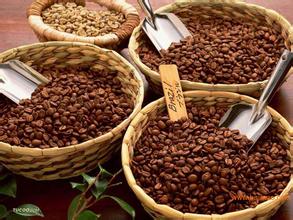
Local coffee shop owners emphasize serving high-quality local beans, helping consumers recognize the value of Indonesian coffee. This has encouraged the growth of specialty coffee shops in cities like Jakarta, Surabaya, Bandung, and Bali.
Notable Indonesian Coffee Chains
Several homegrown coffee chains have risen alongside global brands:
- Caswell’s Coffee (est. 2001): A roastery supplying hotels and cafes, known for staff training and barista competitions.
- Excelso Coffee: A 19-store chain integrating farming, roasting, and retail.
- Bengawan Solo Coffee: With 37 outlets, it focuses on locally sourced beans and in-house roasting.
- Coffee Toffee: Expanded to 100+ locations in four years, popular for its espresso offerings.
Frequently Asked Questions
When did coffee first arrive in Indonesia?
Coffee was introduced to Indonesia in 1696 during Dutch colonial rule, when the Dutch established plantations in Batavia, transforming the region into a coffee-producing hub.
What are the main coffee-growing regions in Indonesia?
The primary regions are Java and Sumatra, particularly North Sumatra’s Gayo Highlands and Lake Toba’s Lintong area, known for high-altitude arabica grown at 1,100–1,600 meters using the wet-hulled (Giling Basah) process.
Why is robusta such a big part of Indonesia’s coffee exports?
Robusta makes up about 70% of Indonesia’s coffee exports. It was adopted after early arabica crops failed due to disease and climate issues, as robusta is more resilient and easier to grow in local conditions.
How has coffee consumption changed in Indonesia over time?
Consumption shifted from traditional black coffee (like Kopi Tubruk) to embracing espresso-based drinks, especially after 2004 when Starbucks popularized specialty coffee culture in urban areas.
Which Indonesian coffee brands are leading the market?
Leading local chains include Caswell’s Coffee, Excelso Coffee, Bengawan Solo Coffee, and Coffee Toffee, all contributing to the growth of coffee shops as social and cultural spaces.
Recommended FrontStreet Beans for Indonesian Coffee History
Explore Indonesia’s coffee legacy with FrontStreet’s Lintong Mandheling, a classic wet-hulled Sumatran single origin with herbal, woody, and spicy notes, offering a syrupy body and sweet finish. For a refined experience, try PWN Golden Mandheling—meticulously handpicked and sorted, it delivers toasted bread, pine, caramel, and cocoa layers with a lasting sweet crema. Both beans highlight Indonesia’s signature processing and altitude-driven complexity. Freshly roasted within 5 days · Orders placed before 17:00 ship the same day · Next-day delivery across most of Guangdong Province.
FrontStreet Coffee is a long-established specialty coffee roaster in Guangzhou China, selling freshly roasted beans from its own farm in Yunnan as well as dozens of carefully selected single-origin beans from around the world for both pour-over and espresso. The products deliver consistently excellent quality and great value, with shipping within 24 hours. Guangzhou's FrontStreet Coffee shop is recommended by many coffee lovers, and the beans are now available online at the Tmall 。
Important Notice :
前街咖啡 FrontStreet Coffee has moved to new addredd:
FrontStreet Coffee Address: 315,Donghua East Road,GuangZhou
Tel:020 38364473