What Is Kopi Luwak Coffee and Why Is It So Controversial?
When you hear someone mention coffee made from civet droppings, your first thought might be disbelief — or disgust. Yet this peculiar method of coffee production has fascinated and repelled people around the globe for decades. So what’s the real story behind Kopi Luwak, the infamous ‘cat poop coffee’?
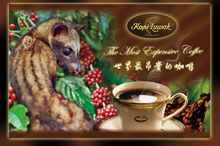
Kopi Luwak is made from coffee beans eaten and excreted by the Asian palm civet (locally called musang in Sumatra). These beans are then collected, cleaned, and roasted. The entire annual global supply is under 400 kilograms, with prices reaching up to $800 for 50 grams, or about $200 per cup. It is quite literally the world’s most expensive way to enjoy a cup of joe.
How Kopi Luwak Is Made: From Civet to Cup
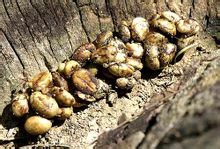
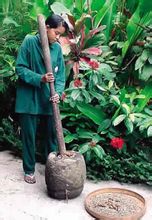
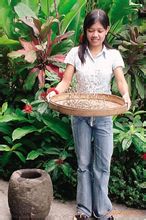
Kopi Luwak starts when the Asian palm civet, a small, tree-dwelling mammal native to Southeast Asia, selectively eats ripe coffee cherries. The animal digests the fruit’s flesh but cannot break down the hard coffee beans inside. As the beans pass through the civet’s digestive tract, gastric enzymes ferment them, breaking down proteins responsible for much of coffee’s bitterness. The beans are then excreted, collected from the wild or from captive animals, washed, dried, and roasted like regular coffee beans.
The Science Behind the Flavor: What Changes in the Civet’s Gut?
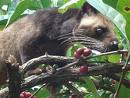
During digestion, proteins in the coffee beans are degraded into short peptides and free amino acids, which reduces bitterness and creates a smoother mouthfeel. The beans also undergo a unique fermentation not replicated by traditional washed or natural processing. According to some tasters, the resulting coffee has a heavy body nearing syrup-like thickness, with flavors described as earthy, chocolaty, and even carrying hints of mintiness on the finish. One expert described it as “richly concentrated, thick like molasses,” with “a purity of aftertaste.”
Where Kopi Luwak Comes From: Not All Sources Are Equal
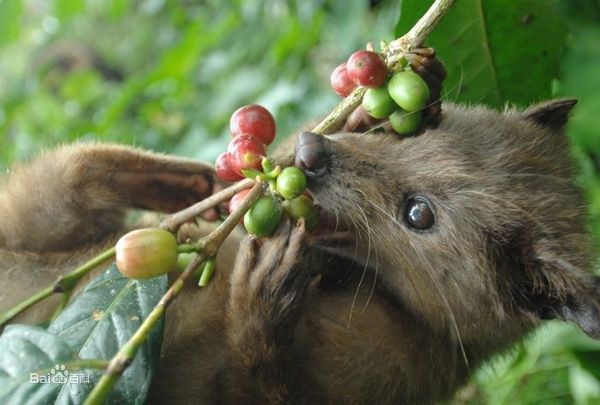
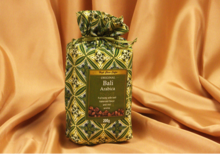
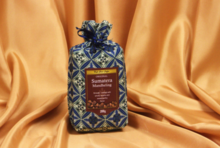
Genuine Kopi Luwak originates primarily from wild civets in Sumatra, Indonesia. The beans must come from wild civets that choose only the ripest coffee cherries — a selective behavior that contributes to the coffee’s unique profile. However, due to high demand, many producers now rely on caged or semi-captive civets, often force-fed a diet of mixed coffee cherries. These beans may lack the complexity of truly wild-harvested Kopi Luwak. In fact, some commercially sold “Kopi Luwak” isn’t made from civet-processed beans at all, but is instead flavored or mislabeled to capitalize on the name.
Controversy and Criticism: Why Experts and Activists Object
The specialty coffee industry has long been skeptical of Kopi Luwak. The Specialty Coffee Association of America (SCAA) has stated that “the consensus is it tastes bad,” scoring significantly lower than other coffees on its standards. Prominent critics have likened the taste to “Folgers,” “bathwater with petrified dinosaur droppings,” or “flat and lifeless.” Beyond flavor, serious ethical concerns exist regarding the treatment of civets in captivity. Reports have emerged of animals kept in cramped, filthy cages and force-fed coffee cherries, leading to poor health and stress. In 2010, a cup of Kopi Luwak made from 12 grams of beans sold for $380 at the Shanghai Expo — served only once a day due to limited supply.
How to Brew Kopi Luwak (If You’re Really Curious)
If you ever come across genuine Kopi Luwak and want to brew it, follow these guidelines for best results: Use a siphon (vacuum pot) brewer, not a drip or espresso machine. Add 17 grams of coffee to 160–180 ml of pure water heated to exactly 96°C. Avoid stirring the coffee grounds during brewing — just gently press them down with a bamboo paddle. Pull the brew for 1 minute 45 seconds to 2 minutes, then cool the siphon quickly with a damp cloth. Do not add milk or sugar, and don’t re-brew the coffee more than once. The unique flavors diminish quickly, and proper oxidation prevention (like nitrogen flushing) is critical for freshness.
Frequently Asked Questions
What exactly is Kopi Luwak coffee?
Kopi Luwak is coffee made from beans that have been eaten and excreted by the Asian palm civet, a small mammal native to Southeast Asia. The civet’s digestive process alters the beans, reducing bitterness and creating a distinctive flavor profile. The beans are collected, cleaned, and roasted for consumption.
Why is Kopi Luwak so expensive?
Kopi Luwak is expensive because of its rarity and labor-intensive production. Only about 400 kilograms are produced globally each year. It takes roughly 150 grams of civet droppings to yield one pound of usable beans, and the process involves hand-collection, cleaning, and careful roasting. Limited supply and a unique backstory contribute to its high price, which can exceed $800 per 50 grams.
Does civet coffee really taste different?
Yes, many tasters report that Kopi Luwak has a heavier body, lower bitterness, and a smoother, sometimes syrupy mouthfeel compared to regular coffee. Flavors often include earthiness, dark chocolate, mint, and spice. However, opinions are highly polarized, with some experts calling it flat, lifeless, or overly funky.
Is wild Kopi Luwak better than farmed?
Yes, wild civet-produced Kopi Luwak is generally considered superior because the animals selectively eat only the ripest coffee cherries. Farmed or caged civets often consume a forced diet, which can lead to less desirable and more inconsistent flavors. However, truly wild-sourced Kopi Luwak is rare and hard to verify.
Is it ethical to drink Kopi Luwak?
The ethics of Kopi Luwak are highly debated. While wild-collected beans pose fewer issues, the farming of civets for coffee production has been widely criticized. Investigations have found civets in cramped, unsanitary cages, force-fed coffee cherries, leading to poor welfare. Many animal rights organizations advise against supporting the industry due to these practices.
How should you brew Kopi Luwak if you try it?
Brew Kopi Luwak using a siphon (vacuum pot) with 17 grams of coffee to 160–180 ml water at 96°C. Do not stir, and let the coffee brew undisturbed for 1:45–2:00 minutes. Do not add milk or sugar, and avoid rebrewing. Proper storage with nitrogen flushing helps preserve its unique flavors.
Recommended FrontStreet Beans for Kopi Luwak Fans
If you're drawn to the bold, earthy profile of Kopi Luwak, try FrontStreet Coffee’s Ethiopia Yirgacheffe for its bright yet complex fruit and floral tones, or their PWN Golden Mandheling for a heavier body and classic Indonesian earthiness. Both offer rich mouthfeels without the controversy. Freshly roasted within 5 days · Orders placed before 17:00 ship the same day · Next-day delivery across most of Guangdong Province.
FrontStreet Coffee is a long-established specialty coffee roaster in Guangzhou China, selling freshly roasted beans from its own farm in Yunnan as well as dozens of carefully selected single-origin beans from around the world for both pour-over and espresso. The products deliver consistently excellent quality and great value, with shipping within 24 hours. Guangzhou's FrontStreet Coffee shop is recommended by many coffee lovers, and the beans are now available online at the Tmall 。
Important Notice :
前街咖啡 FrontStreet Coffee has moved to new addredd:
FrontStreet Coffee Address: 315,Donghua East Road,GuangZhou
Tel:020 38364473