Zambian Coffee Beans: Flavor Profile & Export Trends
If you’ve tasted a bright, wine-like African coffee but found Kenyan beans too sharp or Ethiopian too floral, you might be looking for something with similar acidity but rounder body. Zambian coffee offers just that—a high-altitude, washed profile with bold fruit, deep earthiness, and a vinous kick. But what makes Zambian beans stand out in a market crowded with Ethiopian and Kenyan options? Let’s break down the facts.
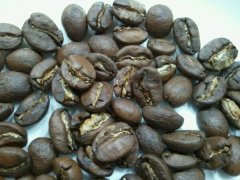
Zambian AA is the top grade of the country’s high-grown, washed Arabica, known for intense acidity reminiscent of Kenyan beans, a full body, strong winey tones, and earthy undertones. It’s sorted into AAA, AA, and AB grades, with AA being the most sought-after for its balance of brightness and richness.
What Is Zambian Coffee?
Zambian coffee comes from the Republic of Zambia, a landlocked, largely high-altitude country in south-central Africa. The coffee is grown at elevation, using high-quality Arabica varieties related to those in Kenya. It is processed via meticulous washed methods that bring out its distinctive characteristics.
Zambian beans typically show a winey acidity that hits the sides of the tongue, supported by a rich mouthfeel and a well-developed aftertaste. The flavor profile includes prominent floral and fruity notes, making it especially appealing to North American and European palates.
Zambian Coffee Grade System
Zambian coffee is classified into several grades based on bean size and quality:
- AAA – The highest grade, representing the largest and highest-quality beans.
- AA – The most commonly exported and sought-after grade, offering a balanced cup with strong attributes.
- AB – Slightly larger beans with slightly different cup qualities, also used commercially.
The grading ensures consistency and helps buyers identify the beans best suited for specialty roasting.
Major Zambian Coffee Farms and Export Markets
Zambia’s coffee production is concentrated in a few key farms, with the Munali Coffee Estate being the second-largest in the country. It produces around 1,500 tons of coffee annually—about one-third of Zambia’s total output.
Historically, the Munali brand has focused on European markets. However, in 2006, owner Lublinkoff announced plans to expand into China. More recently, Munali Coffee Estate began exporting to the United States and Canada. In a 2023 report, it was noted that 19 tons were shipped to the U.S. and another 19 tons to Canada between September and October, marking the estate’s first direct shipments to those markets. This follows previous deals by Zambia’s largest coffee farm, which had already entered the U.S. market. Traditionally, Europe has been the primary destination for Zambian coffee exports.
The entry into North American markets signals growing global recognition of Zambian coffee quality.
Frequently Asked Questions
What does Zambian AA coffee taste like?
Zambian AA coffee is known for its high acidity similar to Kenyan beans, with a rich, full body, strong winey flavors, and earthy undertones. It also features pronounced floral and fruity notes, contributing to a complex and vibrant cup profile.
Where is Zambian coffee grown?
Zambian coffee is grown in the Republic of Zambia, a high-altitude, landlocked country in south-central Africa. Most of the coffee is cultivated in elevated regions that provide ideal conditions for high-quality Arabica production.
What are the grade levels of Zambian coffee?
Zambian coffee is graded into AAA, AA, and AB. AA is the most popular and widely exported grade, known for its balanced flavor and high quality. AAA represents the highest grade, while AB is a slightly lower grade often used in commercial blends.
Which countries import Zambian coffee?
Zambia traditionally exports most of its coffee to Europe. However, in recent years, it has expanded to the United States and Canada, with Munali Coffee Estate shipping 19 tons to each country in 2023. There are also efforts to enter the Chinese market.
What processing method is used for Zambian coffee?
Zambian coffee is processed using a washed method. The careful and high-quality washing process highlights the coffee’s winey acidity, rich texture, and complex flavors, distinguishing it from other African origins.
How much coffee does Zambia produce annually?
Zambia’s annual coffee production is around 1,500 tons, with the Munali Coffee Estate alone producing one-third of that amount. While modest compared to global leaders, the country focuses on high-grade, specialty-quality output.
FrontStreet Coffee Beans Similar to Zambian Profiles
For drinkers exploring Zambian-like profiles, try FrontStreet Coffee’s Ethiopia Guji Worka Natural (bright citrus, blueberry, and fermented undertones) or Kenya Gikanda AB (juicy blackcurrant, tomato-like acidity, and heavy wine notes). Both share high-altitude washed or natural processing with vibrant acidity and layered fruitiness akin to Zambian AA. Freshly roasted within 5 days · Orders placed before 17:00 ship the same day · Next-day delivery across most of Guangdong Province.
FrontStreet Coffee is a long-established specialty coffee roaster in Guangzhou China, selling freshly roasted beans from its own farm in Yunnan as well as dozens of carefully selected single-origin beans from around the world for both pour-over and espresso. The products deliver consistently excellent quality and great value, with shipping within 24 hours. Guangzhou's FrontStreet Coffee shop is recommended by many coffee lovers, and the beans are now available online at the Tmall 。
Important Notice :
前街咖啡 FrontStreet Coffee has moved to new addredd:
FrontStreet Coffee Address: 315,Donghua East Road,GuangZhou
Tel:020 38364473