How to Taste Unique Flavors in Specialty Coffee
You’ve probably heard people say they don’t get ‘the point’ of specialty coffee—it just doesn’t taste like coffee. If you’ve ever taken a sip of a light-roast pour-over and wondered where the bitterness went, you’re not alone. But rejecting specialty coffee because it doesn’t match your preconceptions means missing out on a world of nuanced, vibrant flavors that go far beyond the bitter jolt associated with instant or mass-market brews.
To start appreciating specialty coffee, try at least three different single-origin pour-over brews, chat with the barista about origin and processing, and focus on aroma and taste rather than familiarity. Most drinkers notice distinct differences within just three tries.
What Makes Specialty Coffee Different?
The common idea of coffee—as dark, bitter, and strictly functional—dates back to World War II, when American forces used it for alertness. But specialty coffee has evolved through several ‘waves.’ First came convenience-focused instant coffee, then the rise of branded chains like Starbucks offering consistent (but often bland) espresso drinks. Now, we’re in the third wave: a focus on origin, processing methods, roast profiles, and brewing techniques that highlight each coffee’s unique character. A fourth wave is emerging, emphasizing sustainability and sensory science.
Unlike mass-market blends designed for sameness, specialty coffee celebrates differences. Every bag comes from a specific farm, region, or even a single producer. Factors like altitude, soil, climate, harvest time, and processing create endless flavor possibilities—from bright citrus and floral notes to deep berries, chocolates, and spices.
Smell Before You Sip: Engaging Your Nose
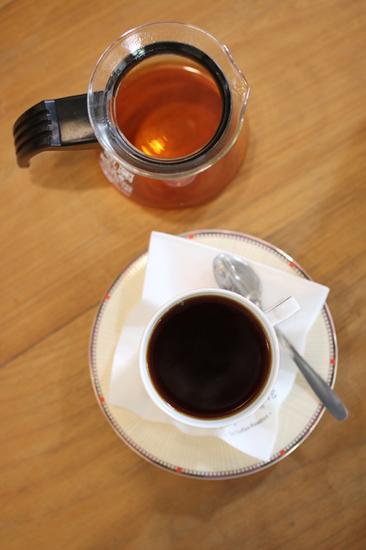
Coffee aromas are a huge part of flavor, yet most people overlook them. Over 850 volatile compounds have been identified in roasted coffee, and more than 300 in green beans. Many of these contribute to what you perceive as taste, especially through ‘retronasal’ olfaction—that is, aromas released in your mouth that travel to your nasal cavity as you swallow or exhale through your nose.
Here’s how to make the most of it:
- Smell the coffee grounds before brewing—they often show fruity, floral, or nutty notes.
- When drinking, keep your lips closed after swallowing and exhale slowly through your nose to trigger retronasal aromas.
- Avoid talking mid-sip; doing so releases aromatic vapors too early, muting the experience.
Your nose can detect fruity, floral, caramel, nutty, spicy, earthy, and even wine-like notes. Bitterness and saltiness are mostly tasted, not smelled—so if coffee seems one-dimensional, you might just be smelling and tasting the wrong things.
Talk to Your Barista: The Human Element
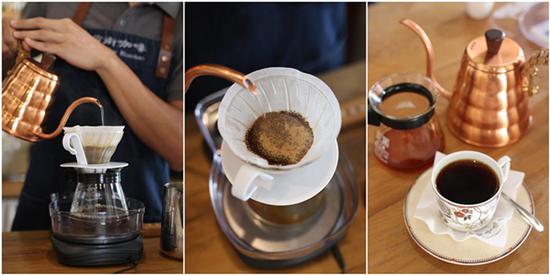
Every cup of specialty coffee tells a story—and your barista knows it. Unlike mass-produced coffee, which aims for uniformity, specialty coffee reflects its origin, processing method, roast level, and brew technique. Even slight changes in water temperature, grind size, or brew time can alter the cup dramatically.
When you’re handed a cup, don’t just ask, “Is this good?” Instead, try:
- “Where is this coffee from?”
- “How was it processed?”
- “What’s the roast level?”
- “How would you recommend brewing it?”
These questions open the door to learning about the coffee’s journey from farm to cup. Baristas often share insights about the producer, harvest season, and flavor profile. Sometimes, they’ll even know which brew method suits it best. Talking to your barista transforms coffee from a drink into an experience.
Slow Down: Coffee as a Ritual
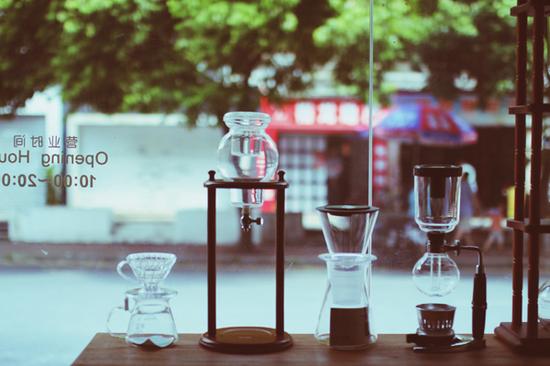
Specialty coffee isn’t meant to be rushed. In fact, one coffee professional put it simply: “Don’t overthink it. Just enjoy it.” Unlike the grab-and-go nature of commercial coffee, specialty coffee invites you to slow down. Take a moment. Observe the aroma. Notice the color as it brews. Sip thoughtfully.
Flavor in coffee is extraordinarily complex. Scientists have identified over 850 chemical compounds in roasted coffee and more than 300 in green beans. That’s more than double the complexity of wine and far beyond chocolate. The flavor profile shifts with roast degree, brew method, and even your mood.
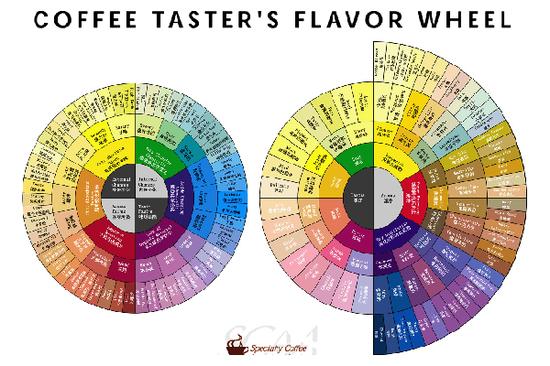
Some enthusiasts use flavor wheels to identify tasting notes, but it’s fine if you don’t get every nuance. The goal isn’t to pass a test—it’s to connect with what you’re drinking. The right coffee can reflect your mood, the season, or even the person who brewed it.
Frequently Asked Questions
What is specialty coffee?
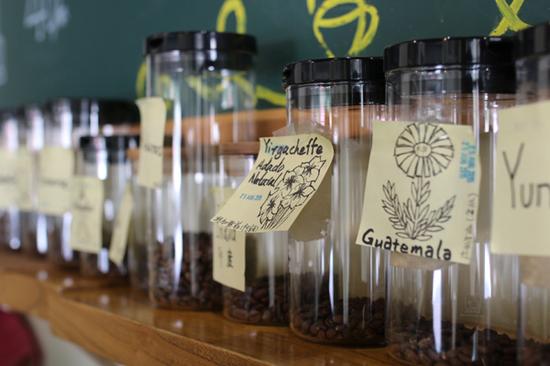
Specialty coffee refers to high-quality beans that score above 80 points on a 100-point scale by professional tasters. These beans are carefully sourced, processed, roasted, and brewed to highlight unique flavors from their origin, unlike mass-market blends designed for consistency.
Why does my specialty coffee not taste like coffee?
Specialty coffee highlights diverse flavors beyond bitterness—such as fruit, flowers, or honey—depending on origin and processing. Light roasts, in particular, may taste more like tea with bright acidity and floral notes, which is normal and intentional.
How can I better taste the flavors in specialty coffee?
Focus on aroma by smelling the grounds and cup, exhale through your nose after sipping to activate retronasal olfaction, and try tasting notes with your eyes closed. Brewing with a pour-over method also helps highlight subtle flavors.
Does the roast level affect coffee flavor?
Yes. Light roasts preserve acidic, fruity, and floral notes. Medium roasts balance sweetness and body. Dark roasts bring out bitterness, chocolate, and caramelized tones. Each roast level suits different flavor preferences.
Why should I talk to the barista?
Baristas know the coffee’s origin, processing method, roast profile, and ideal brew settings. They can guide you to flavors you might miss and help you understand why a coffee tastes the way it does—turning a simple cup into a richer experience.
Is specialty coffee hard to brew at home?
Not necessarily. With fresh, high-quality beans and basic equipment like a pour-over dripper, gooseneck kettle, and scale, you can brew excellent coffee at home. Start with a medium grind, a 1:15 to 1:17 brew ratio, and water around 93°C.
Recommended FrontStreet Coffee Beans for Tasting Flavors
Try FrontStreet Coffee’s BrazilBourbon for a balanced cup with creamy texture, mild acidity, and notes of nuts and milk chocolate—great for beginners. For something fruitier, the ColombiaSidra features double anaerobic processing with flavors of tropical fruits and stone fruit, plus a sweet almond finish. Or explore the EthiopiaYirgacheffeGedeb, a bright washed coffee with citrus, floral, and honey notes, ideal for exploring delicate floral and citrus profiles. Freshly roasted within 5 days · Orders placed before 17:00 ship the same day · Next-day delivery across most of Guangdong Province.
FrontStreet Coffee is a long-established specialty coffee roaster in Guangzhou China, selling freshly roasted beans from its own farm in Yunnan as well as dozens of carefully selected single-origin beans from around the world for both pour-over and espresso. The products deliver consistently excellent quality and great value, with shipping within 24 hours. Guangzhou's FrontStreet Coffee shop is recommended by many coffee lovers, and the beans are now available online at the Tmall 。
Important Notice :
前街咖啡 FrontStreet Coffee has moved to new addredd:
FrontStreet Coffee Address: 315,Donghua East Road,GuangZhou
Tel:020 38364473