What Makes Costa Rican Coffee Special?
When you're searching for a coffee that balances sweetness, acidity, and clarity without overpowering your palate, Costa Rica often comes up—but why? With one of the most regulated and quality-focused coffee industries in the world, Costa Rica produces beans that are both highly exportable and uniquely expressive. Whether you're brewing pour-over or espresso, understanding what sets Costa Rican coffee apart can transform your expectations of Central American origins.
Costa Rican coffee is almost exclusively high-grown Arabica, typically cultivated above 1,500 meters, with over 400 million trees producing around 2 million 60kg bags annually. Around 25% of the country’s exports come from coffee, making it a key agricultural and economic driver.
The Origins and History of Costa Rican Coffee
Coffee arrived in Costa Rica from Cuba in 1729 and has been cultivated for over 200 years. By 1808, it became a national crop, and today it supports roughly one-third of the population through related industries. Despite its small land area—ranking third smallest in Central America—the country boasts an above-average economy and strong social stability. This allowed early investment in environmental protection, including the creation of more than 30 national parks. Coffee and bananas were among the first commercial crops planted due to the rich volcanic soils and favorable climate of the Central Plateau.
Growing Regions and Key Coffee Districts
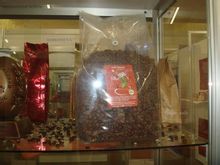
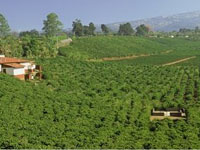
Costa Rica features eight primary coffee-growing regions, with Tarrazú being the most renowned. Located south of the capital San José, Tarrazú benefits from high altitudes (1,700–1,800m), volcanic soils with excellent drainage, and a cool climate that fosters slow cherry maturation. These conditions contribute to bright acidity and complex fruitiness in the cup. Other notable regions include Heredia, Alajuela, and Poás, each offering distinct microclimates and flavor profiles.
What Is a 'Strictly Hard Bean' (SHB)?
Coffee classified as SHB (Strictly Hard Bean) in Costa Rica comes from elevations above 1,500 meters. The term refers to beans that grow more slowly at high altitudes, resulting in denser, harder beans with concentrated flavors. These beans typically exhibit higher acidity, more pronounced sweetness, and greater complexity. The combination of cool temperatures and high elevation slows cherry development, allowing for more nuanced flavor formation during the growing cycle.
Processing Methods: Washed and Honey
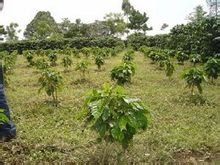
Costa Rica historically relied on traditional washed (wet) processing, which highlights clarity and cleanliness in the cup. Due to water scarcity in some areas, the country innovated a localized version of honey processing—known locally as 'miel'. In this method, coffee cherries are depulped but some or all of the sticky mucilage (fruit layer) is left on the beans during drying. The amount of mucilage determines the honey type:
- Black Honey: nearly all mucilage retained, longest drying time (~14+ days), intense sweetness and fruit notes.
- Red Honey: moderate mucilage, medium drying time, balanced sweetness and body.
- Yellow Honey: less mucilage, faster drying, brighter acidity.
- White Honey: minimal mucilage, shortest drying, clean and light profile.
The honey process is adapted to local conditions and offers a sweeter, fruitier cup compared to traditional washed coffees. The controlled fermentation and extended drying periods develop complex sugar profiles without fermentation defects.
Notable Farms and Coffee Varieties
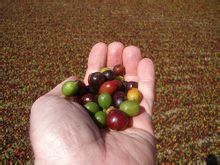
Among the standout farms is La Minita in Tarrazú, producing limited quantities (about 72,600kg per year) of highly sought-after coffee. Grown on land owned by the McAlpine family for three generations, La Minita uses entirely manual harvesting and sorting, avoiding mechanical methods to preserve bean integrity. The farm does not use synthetic fertilizers or pesticides. Other notable varieties and brands include Juan Vinas, Sarchí, and Montebello. Sarchí coffee, grown near the Poás Volcano, is part of the region’s famed ‘Coffee Route’ and benefits from volcanic soil and high altitudes.
Flavor Profile and Brewing Notes
Costa Rican coffees are celebrated for their bright acidity, medium body, and clean, sweet flavors. Common tasting notes include citrus, tropical fruits, honey, and floral tones. The inherent sweetness means these coffees remain pleasant even when cooled—a hallmark of well-balanced acidity. For brewing, a light to medium roast is typical, highlighting their clarity and complexity. When drinking black, you can fully appreciate their vibrant acidity and nuanced sweetness. If adding milk or sugar, use sparingly to avoid masking the delicate flavors.
New Sales Strategies and Global Positioning
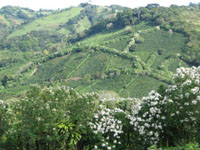
In response to global coffee price volatility, Costa Rica’s coffee industry introduced strategic initiatives in 2003. These included establishing a Coffee Trust Fund to support farmers, focusing on high-quality beans (40% of exports are GOURMET grade), and targeting premium markets in the US, Europe, Japan, and later Russia and China. Efforts also emphasized environmentally sustainable production and higher altitudes (1,000–1,500m), aiming to increase the share of specialty coffee exports to 70% in five years. The average export price for gourmet Costa Rican coffee (46kg bag) reached $93.61 FOB, significantly higher than standard grades.
Frequently Asked Questions
What does SHB mean in Costa Rican coffee?
SHB stands for 'Strictly Hard Bean,' referring to coffee grown at elevations above 1,500 meters in Costa Rica. These beans mature more slowly, resulting in denser beans with higher acidity, greater sweetness, and more complex flavors.
What is Costa Rican honey processed coffee?
Honey processing in Costa Rica involves removing the coffee cherry skin but leaving varying amounts of the sticky mucilage on the beans during drying. Types include Black Honey (most mucilage, sweetest), Red, Yellow, and White Honey (least mucilage, cleaner profile). This method enhances sweetness and complexity without full fermentation.
Which regions in Costa Rica produce the best coffee?
Tarrazú is the most famous region, known for bright acidity and balanced sweetness. Other notable areas include Heredia, Alajuela, and Poás, each with unique microclimates influencing cup profiles.
Why is altitude important for Costa Rican coffee?
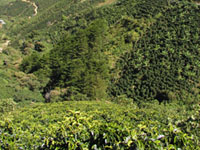
Higher altitudes slow coffee cherry ripening, leading to denser beans with more concentrated sugars and acids. Costa Rican SHB coffee is grown above 1,500 meters, where cooler temperatures and frequent rainfall create ideal growing conditions.
How is Costa Rican coffee typically brewed?
Costa Rican coffee is often brewed using pour-over, drip, or light to medium roast espresso to highlight its bright acidity and clean sweetness. It performs well black to enjoy its natural flavors, but can also be used in blends.
Recommended FrontStreet Coffee Beans from Costa Rica
For a true taste of Costa Rica, try FrontStreet Coffee’s (Hei Mei), a black honey-processed coffee with intense sweetness and complex berry notes, thanks to 14+ days of sun-drying with almost all the fruit mucilage intact. Another great option is (Mozart), made with grape-dried raisin honey process, delivering fragrant grape, rose, and fermented wine characteristics after medium-light roasting. Both beans showcase the signature brightness and clarity of Costa Rican coffee at its finest. Freshly roasted within 5 days · Orders placed before 17:00 ship the same day · Next-day delivery across most of Guangdong Province.
FrontStreet Coffee is a long-established specialty coffee roaster in Guangzhou China, selling freshly roasted beans from its own farm in Yunnan as well as dozens of carefully selected single-origin beans from around the world for both pour-over and espresso. The products deliver consistently excellent quality and great value, with shipping within 24 hours. Guangzhou's FrontStreet Coffee shop is recommended by many coffee lovers, and the beans are now available online at the Tmall 。
Important Notice :
前街咖啡 FrontStreet Coffee has moved to new addredd:
FrontStreet Coffee Address: 315,Donghua East Road,GuangZhou
Tel:020 38364473